
Rotary Screening Buckets
Maximize the efficiency of your excavator with HAWK Excavator Rotary Screening Buckets designed for crushing and recycling on-site materials. These robust attachments allow operators to process concrete, rock, asphalt, and other materials by size, eliminating the need for transporting materials and additional equipment. Available in various sizes to fit machines from 1.5 to 50 ton excavator weight, with capacities ranging from 0.13 to 2.5 yards, Rotary Screening Buckets are the ultimate solution for contractors aiming to reduce quantity of waste and increase project profitability.
HAWK Excavator is committed to supporting your project needs by providing tailored solutions that help your business achieve greater efficiency and cost savings.
Get Pricing
Rotary Screening Buckets


Engineered for durability and performance, Rotary Screening feature wear-resistant materials and high-strength teeth for reliable operation in demanding conditions, no matter the location. Their intuitive design offers quick coupling for fast installation and easy maintenance, minimizing downtime. The design ensures bolts and holes have proper fits for long-lasting durability and ease of use. Adjustable output settings allow for customizable material sizing, ensuring compatibility with your project requirements and a wide range of machines, including excavators and wheel loaders.
HAWK Rotary Screening Buckets are a cost-effective and eco-friendly solution that transforms your company excavator into a powerful, multi-functional tool, ideal for diverse construction and demolition projects. Choose from a range of models tailored to your excavator and operational needs, and elevate your efficiency with this indispensable attachment. Proper shipping and packaging are prioritized to prevent damage during delivery and ensure your product arrives in optimal condition.
Excavator Tonnage: 1.5-50 Ton
Capacity: 0.13 – 2.5 yd³ (0.1 – 1.9 m³)
Materials: HARDOX450, NM400, Q355, etc.
Recommended Applications: Use in heavy-duty operations like quarrying, heavy excavation and demolition. Excavator screening buckets are also ideal for backfilling utility lines and enhancing composting processes. They excel at processing materials such as soil, peat, compost, and bark, and are highly effective at removing stones from soil and other materials.
Product Specifications
Model | Excavator Weight | Capacity yd³(m³) | Screen Diameter | Working Pressure | Oil Flow |
|---|---|---|---|---|---|
1.5-2.5 Tons | 0.13 yd³ (0.1 m³) | 20 in (500 mm) | 1450–1740 psi | 4.75–5.30 gpm (18–20 L/min) | |
3.5-5 Tons | 0.13 yd³ (0.1 m³) | 24 in (592 mm) | 1450–1740 psi | 4.75–5.30 gpm (18–20 L/min) | |
6-9 Tons | 0.35 yd³ (0.25 m³) | 28 in (700 mm) | 1740–2180 psi | 10.5–11.90 gpm (40–45 L/min) | |
10-18 Tons | 0.65 yd³ (0.5 m³) | 40 in (1005 mm) | 2610–3045 psi | 23.80–26.40 gpm (90–100 L/min) | |
29-28 Tons | 1.5 yd³ (1.1 m³) | 56 in (1420 mm) | 2610–3190 psi | 23.80–26.40 gpm (90–100 L/min) | |
29-39 Tons | 2.0 yd³ (1.54 m³) | 58 in (1470 mm) | 2900–3335 psi | 23.80–26.45 gpm (90–100 L/min) | |
40-50 Tons | 2.5 yd³ (1.9 m³) | 67 in (1700 mm) | 2900–3340 psi | 26.40–39.70 gpm (100–150 L/min) |
Rotary Screening Buckets By Excavator
Excavator Model | Model | Capacity yd³(m³) | Screen Diameter In (mm) | Drum Depth In (mm) | Tonnage |
|---|---|---|---|---|---|
Case CX210 | 1.5 yd³ (1.1 m³) | 56 in (1420 mm) | 40 in (998 mm) | 20 Ton | |
CAT 320 | 1.5 yd³ (1.1 m³) | 56 in (1420 mm) | 40 in (998 mm) | 20 Ton | |
CAT 325 | 1.5 yd³ (1.1 m³) | 56 in (1420 mm) | 40 in (998 mm) | 25 Ton | |
CAT 336 | 2.0 yd³ (1.54 m³) | 58 in (1470 mm) | 47 in (1193 mm) | 36 Ton | |
CAT 349 | 2.5 yd³ (1.9 m³) | 67 in (1700 mm) | 54 in (1375 mm) | 49 Ton | |
Hitachi EX120 | 0.65 yd³ (0.5 m³) | 40 in (1005 mm) | 30 in (740 mm) | 12.5 Ton | |
John Deere 200G | 1.5 yd³ (1.1 m³) | 56 in (1420 mm) | 40 in (998 mm) | 20 Ton | |
John Deere 210G | 1.5 yd³ (1.1 m³) | 56 in (1420 mm) | 40 in (998 mm) | 20 Ton | |
John Deere 245G | 1.5 yd³ (1.1 m³) | 56 in (1420 mm) | 40 in (998 mm) | 24 Ton | |
John Deere 350G | 2.0 yd³ (1.54 m³) | 58 in (1470 mm) | 47 in (1193 mm) | 35 Ton | |
John Deere 470G | 2.5 yd³ (1.9 m³) | 67 in (1700 mm) | 54 in (1375 mm) | 47 Ton | |
Komatsu PC210 | 1.5 yd³ (1.1 m³) | 56 in (1420 mm) | 40 in (998 mm) | 22 Ton | |
Komatsu PC360 | 2.0 yd³ (1.54 m³) | 58 in (1470 mm) | 47 in (1193 mm) | 36 Ton | |
Komastsu PC400 | 2.5 yd³ (1.9 m³) | 67 in (1700 mm) | 54 in (1375 mm) | 40 Ton | |
Komastsu PC490 | 2.5 yd³ (1.9 m³) | 67 in (1700 mm) | 54 in (1375 mm) | 49 Ton | |
Volvo EC480 | 2.5 yd³ (1.9 m³) | 67 in (1700 mm) | 54 in (1375 mm) | 48 Ton |
Benefits of Rotary Screening Buckets
Excavator screening buckets are widely used for backfilling utility lines and enhancing composting processes, making them essential tools for efficient material management and soil preparation.
Efficient Material Separation: These buckets allow for continuous screening and processing materials such as soil, peat, compost, and bark, reducing the need for manual sorting and significantly increasing job site productivity.
Cost-Effective: By enabling on-site material separation, rotary screening buckets help save on transportation and disposal costs by reducing the need for transporting materials to and from the site, making them a cost-effective solution for various projects.
Versatility: Suitable for a wide range of applications, rotary screening buckets can be used for excavation, demolition, landscaping, waste recycling, and even in agriculture.
Improved Soil Quality: Ideal for separating rocks, stones, and debris from soil, rotary screening buckets help improve the quality of the soil for landscaping, construction, or agricultural use.
Time-Saving: The continuous, automated screening process reduces the time spent on material sorting and disposal, allowing operators to complete tasks more efficiently and move on to the next job quickly.
Easy to Use: These buckets are designed to be easy to operate, with intuitive controls that integrate with the excavator’s existing hydraulic system.
Built with high-strength materials, rotary screening buckets are durable and able to withstand the rigors of heavy-duty use in tough environments.
Improved Material Recycling: They help reduce waste by effectively recycling materials that would otherwise be discarded, such as concrete, asphalt, and construction debris.
Minimal Maintenance: Rotary screening buckets are designed with low maintenance requirements, allowing for continuous operation and minimizing downtime.


Features of Rotary Screening Buckets
Heavy-Duty Construction: Built with high-strength materials such as wear-resistant steel, rotary screening buckets are designed to withstand heavy-duty use in challenging environments.
Continuous Rotation Mechanism: The rotary screening buckets feature a rotating drum or basket that continuously separates materials, providing efficient and consistent screening throughout the operation.
Variety of Sieve Sizes: Available with different mesh sizes, rotary screening buckets offer flexibility to choose the ideal screen for specific material separation needs, from fine particles to coarse aggregates.
Hydraulic Drive System: These buckets operate using the excavator’s hydraulic system, ensuring reliable and powerful performance for material screening. The hydraulic drive provides smooth and consistent drum rotation.
Efficient Material Separation: Designed to separate various materials like soil, gravel, sand, concrete, and construction debris, the rotary screening buckets offer high separation efficiency, even for mixed materials.
Adjustable Drum Speed: Some models feature adjustable drum speed, allowing operators to modify the screening rate to suit different material types and project requirements.
Rotary screening buckets are often compact and lightweight, making them easy to transport and maneuver in tight spaces or congested job sites.
High Capacity: These buckets are capable of handling large volumes of material, increasing sorting capacity and reducing the time spent on material processing.
Easy Installation and Removal: Designed for quick mounting and removal, rotary screening buckets can be easily attached to and detached from the excavator, allowing for fast setup and versatility. The design ensures that bolts and holes have proper fits, which enhances durability and ease of use during assembly.
Durable Drum and Blades: The drum and screening blades are made from durable, abrasion-resistant materials, ensuring longevity and consistent performance even in harsh conditions.
Minimal Maintenance: Rotary screening buckets require minimal maintenance due to their robust design and simple hydraulic system. Regular checks and lubrication are usually sufficient to keep them in good working condition.
Compatibility: Rotary screening buckets are compatible with a wide range of equipment, including excavators, skid steers, backhoe loaders, and wheel loaders, making them suitable for various machine types and job site requirements.
Applications of Rotary Screening Buckets
Rotary screening buckets have become indispensable across a wide range of industries, thanks to their ability to process materials directly on site with unmatched efficiency. These versatile screening buckets are engineered to work seamlessly with excavators, skid steers, and wheel loaders, making them suitable for everything from large-scale construction projects to smaller landscaping jobs. By streamlining the screening process, these buckets allow operators to separate materials such as soil, sand, gravel, compost, and demolition waste into different sizes, supporting both recycling and reuse efforts.
One of the standout features of rotary screening buckets is their instant adjustment of output size. This flexibility means you can quickly adapt to changing job site requirements, whether you’re performing soil screening for landscaping, separating rocks and stones from topsoil, or processing demolition waste for recycling. The simple operation and high productivity of these buckets make them a go-to solution for contractors looking to maximize efficiency and minimize costs.
Easily replaceable screening tools are another key advantage, allowing for fast changes between different screen sizes and reducing downtime. Models like the Simex VSE screening buckets are especially popular for their robust design, compatibility with a variety of excavators—including mini excavators—and their ability to handle a wide range of materials. Whether you’re crushing, screening, or separating, these buckets deliver reliable performance and consistent results.
On-site screening with rotary screening buckets offers significant cost savings by reducing the need for transporting materials to and from the job site. This not only saves money on shipping and handling but also helps minimize waste by enabling the recycling of valuable materials like topsoil, compost, and aggregates. For landscaping and construction projects, the ability to separate and process materials on site means faster project completion and improved material quality.
In terms of performance, rotary screening buckets are built to handle demanding workloads, with some models capable of processing tons of material per hour. Their durable construction ensures long service life, even in tough conditions, making them a smart investment for customers seeking reliability and value. The market for screening buckets continues to evolve, with manufacturers like Simex leading the way in innovation, quality, and customer support.
Ultimately, rotary screening buckets offer a combination of versatility, cost savings, and high productivity that makes them an essential attachment for any job site. Whether you’re working with soil, sand, gravel, or demolition waste, these buckets provide the tools you need to process materials efficiently and effectively. With their ability to instantly adjust output size, simple operation, and compatibility with a wide range of equipment, rotary screening buckets are the perfect solution for modern material processing needs on job sites around the world.
Technical Specifications
When selecting a screening bucket, understanding the technical specifications is key to ensuring optimal performance and compatibility with your equipment. Screening buckets are available in a range of models to fit everything from mini excavators and skid steers to larger wheel loaders, with bucket capacity and weight tailored to match the carrier’s capabilities. The right bucket capacity ensures stability and efficiency, while the weight of the attachment must be compatible with your machine’s operating limits.
Advanced models, such as Simex VSE screening buckets, are equipped with easily replaceable screening tools, allowing for instant change of screens to suit different materials and desired output sizes. This feature minimizes downtime and maximizes productivity on site. The ability to adjust the output size on the fly means you can produce high-quality, uniform materials for any application, whether it’s topsoil, sand, or recycled aggregates.
Durability is another critical factor—screening buckets are constructed from robust materials to withstand the demands of heavy-duty screening and processing. When choosing a screening bucket, consider the type of material you’ll be handling, the required output size, and the specifications of your excavator, skid steer, or loader. By matching the right model to your equipment and job requirements, you’ll ensure efficient, reliable screening and long-term value for your investment.
All HAWK Rotary Screening Buckets are easy to install with your excavator to assist with a wide range of excavation, construction, and marine dredging projects.
Frequently Asked Questions
What is a rotary screening bucket used for?
A rotary screening bucket is used for separating materials like soil, sand, gravel, concrete, and construction debris into finer and coarser particles. It is ideal for applications in excavation, demolition, landscaping, recycling, and waste management.
How does a rotary screening bucket work?
The bucket uses a rotating drum or basket to continuously separate materials by size. The material is fed into the drum, where it is agitated, and the smaller particles fall through the mesh, while larger materials are retained in the drum for further processing.
What types of materials can be processed with a rotary screening bucket?
Rotary screening buckets can process a wide variety of materials, including soil, gravel, sand, compost, construction debris, rocks, asphalt, and even crushed concrete.
Can rotary screening buckets be used for both wet and dry materials?
Yes, rotary screening buckets are versatile and can be used for both wet and dry materials, although wet or sticky materials may require adjustments or more frequent cleaning to avoid clogging.
What size of materials can a rotary screening bucket handle?
Rotary screening buckets come with a variety of screen mesh sizes, which allows operators to screen materials ranging from fine sand to larger rocks and construction debris.
Do rotary screening buckets require a lot of maintenance?
Rotary screening buckets require minimal maintenance, primarily consisting of checking and lubricating moving parts, inspecting the hydraulic system, and cleaning the drum. Regular maintenance ensures long-term performance and reliability.
Can I use a rotary screening bucket with any excavator?
Rotary screening buckets are typically designed for specific excavator models. Make sure to check compatibility with your excavator’s hydraulic system and size specifications before purchasing.
Are rotary screening buckets easy to install and remove?
Yes, rotary screening buckets are designed for quick and easy installation. Most models can be mounted or detached from the excavator with minimal effort, allowing for quick setup and versatility across tasks.
What are the advantages of using a rotary screening bucket over traditional methods of material sorting?
Rotary screening buckets significantly increase efficiency, as they automate the separation process. They also save time, reduce labor costs, improve material reuse, and minimize transportation and disposal costs compared to traditional manual sorting or other mechanical methods.
Can rotary screening buckets be used for recycling purposes?
Yes, rotary screening buckets are ideal for recycling applications. They can be used to separate reusable materials from waste, such as concrete, asphalt, and construction debris, helping reduce landfill use and support sustainable practices.
Are rotary screening buckets suitable for small or confined spaces?
Yes, rotary screening buckets are compact and lightweight, making them ideal for use in confined spaces or areas with limited access. Their small size allows for greater mobility and maneuverability on job sites.
What makes rotary screening buckets more efficient than other screening methods?
Rotary screening buckets offer continuous, automated separation, allowing for faster processing of materials. They minimize manual labor, reduce downtime, and enhance overall job site productivity.
Can rotary screening buckets handle large volumes of material?
Yes, rotary screening buckets are designed to handle large volumes of material, making them highly efficient for projects that require high-capacity material sorting.
Other HAWK Products
Explore our fleet of heavy-duty excavator accessories for a range of construction, excavation, and dredging projects.
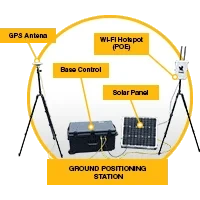
HAWK Vision
Attach the RTK GPS Positioning system to your excavator's bucket or other attachment to always know where the bucket is under the waterline. Prevent over and under dredging.
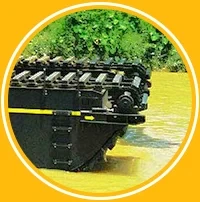
Amphibious Undercarriage
Complete amphibious undercarriage allowing you to convert your existing excavator into a swamp dredger capable of even more production in harsh areas.
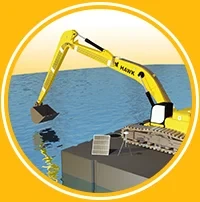
Sectional Barges
Fully modular barges ready for quick assembly at the job site. Can hold an excavator and long stick for the extended reach your excavation needs.