Blog Articles

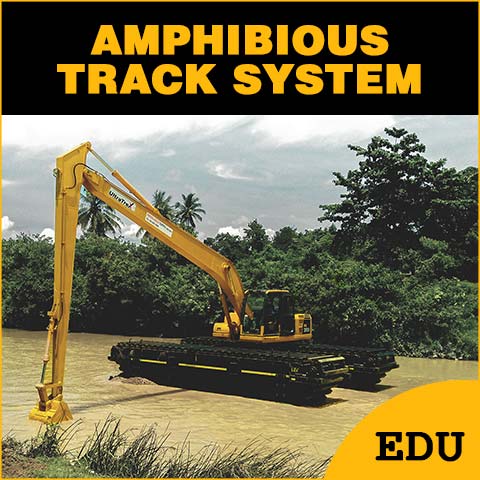
How Amphibious Excavator Tracks Work: Technical Guide
Buoyancy, traction, stability, safe operating limits, and conversion-fit questions. Quick answer: Amphibious excavator tracks replace the standard undercarriage with buoyant pontoons and a wider tracked footprint. The system can reduce ground pressure and improve...

How to Choose an Amphibious Undercarriage for Your Excavator
A six-step fitment workflow for machine weight, pontoons, site conditions, hydraulics, attachments, and logistics. Quick answer: Select an amphibious undercarriage from the complete working configuration—not excavator class alone. HAWK needs the exact base machine,...

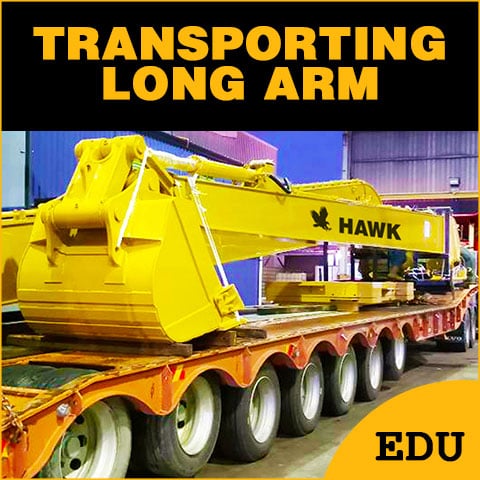
Long Reach Excavator Arms for Dredging and Canal Maintenance
Quick answer: A long reach excavator can dredge from a stable bank, engineered pad, or properly designed marine platform when the work lies beyond standard reach. Required arm length equals the real work geometry: machine setback plus channel width and depth—not...

How to Choose a Long Reach Excavator Setup in 7 Steps (2026)
The right long reach excavator configuration starts with one question: can a standard machine safely reach the material you need to move? If the answer is no, you need extended reach. If the answer is yes but requires multiple repositioning cycles, extended reach may...

Excavator Grapples for Demolition and Land Clearing
Excavator grapples are among the most versatile attachments you can add to your machine. They grip, lift, sort, and place materials that would otherwise require multiple tools or significant manual labor. Whether you are tearing down a structure, clearing brush from a...

Long Reach Excavator vs. Standard Excavator: When and Why to Choose Each
Quick Answer Choose a standard excavator when the work is close to the machine and depends on digging force, lifting capacity, and cycle speed; trenching, loading, foundations, and general earthmoving. Choose a long reach excavator when the material sits beyond a...

How to Choose the Right Excavator Grapple Attachment for Tough Jobs
An excavator grapple attachment can turn an excavator into a material handling machine, but only when the grapple is matched to the job. The right grapple depends on the material you need to handle, the size and stability of the excavator, the hydraulic setup on the...

Amphibious Excavators: The Complete Solution for Wetland and Waterway Projects
What Is an Amphibious Excavator? An amphibious excavator is a standard hydraulic excavator fitted with a pontoon-based undercarriage that lets it float, move, and dig in swamps, marshes, wetlands, and shallow water — ground where a conventional tracked machine would...
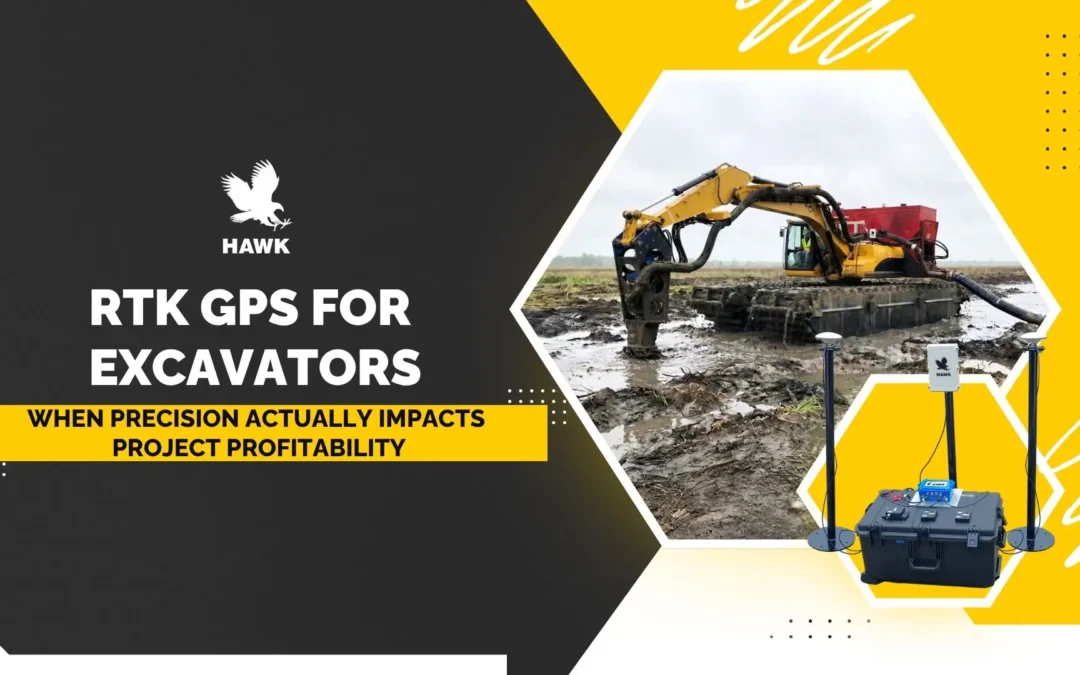
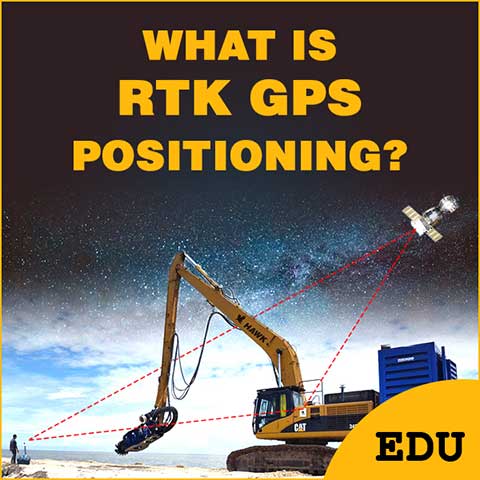
RTK GPS for Excavators: When Precision Reduces Rework and Project Cost
Does RTK GPS Guidance Actually Pay Off on Excavator Projects? Yes, when grade accuracy, dredging depth, rework, survey time, or underwater visibility directly affects the project outcome. RTK GPS guidance for excavators is most valuable when operators need real-time...
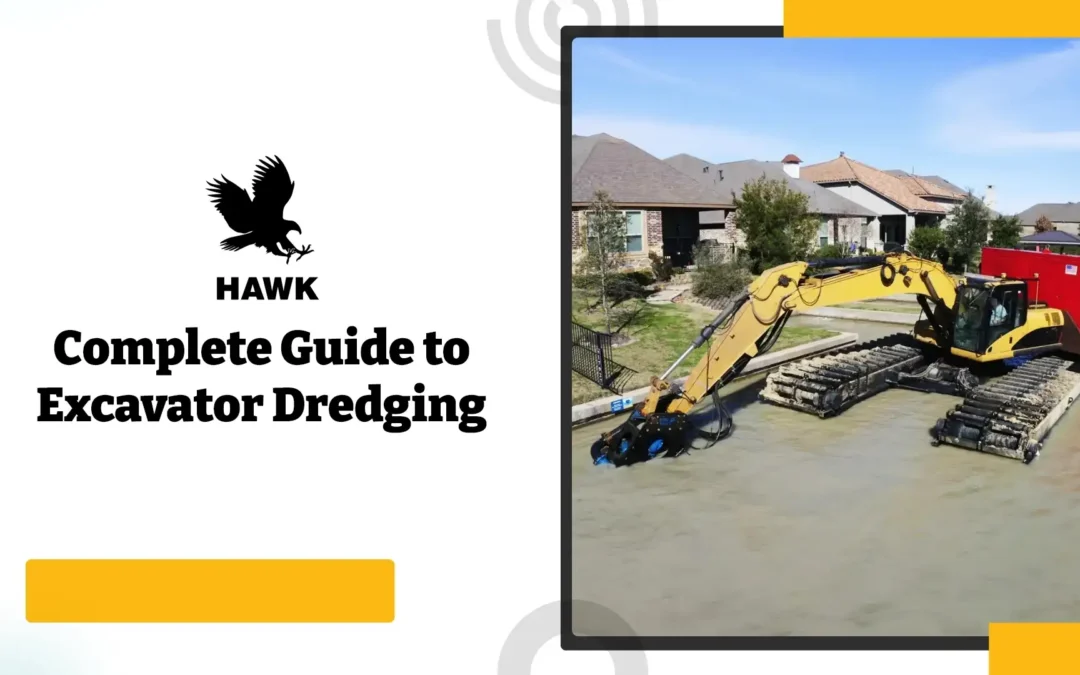
Complete Guide to Excavator Dredging
What Is Excavator Dredging? Excavator dredging is the process of using a hydraulic excavator equipped with a pump attachment to remove and transport submerged material as slurry. Instead of relying only on bucket excavation, this approach converts sediment into a...

How Excavator Pump Attachments Turn Excavators into Dredging Systems
Excavator pump attachments turn standard excavators into dredging systems by using the machine’s hydraulic power to drive a submersible slurry pump. Instead of only digging and relocating material, the excavator operates as an excavator dredge pump, positioning the...
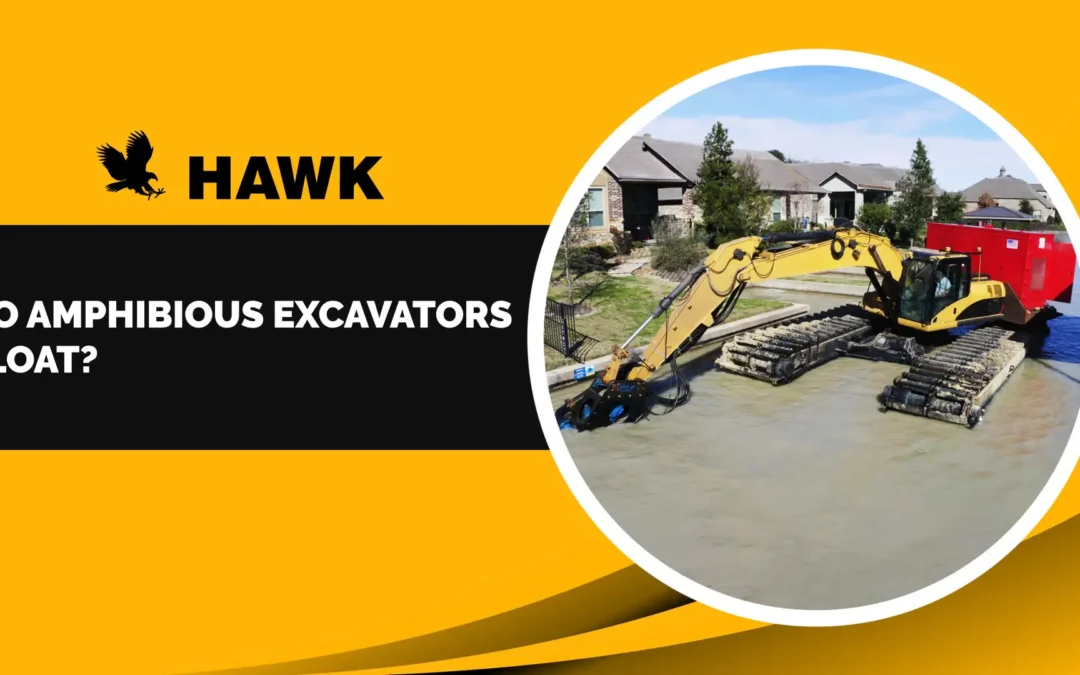
Do Amphibious Excavators Float?
Yes – amphibious excavators can float, but not in the same way a boat operates in open water. These machines are built to work in wetlands, marshes, shallow water, and soft ground where a standard excavator would sink, lose traction, or become unsafe to operate....
Have Questions?
Get in touch with us now!
Articles and Education
Read through our library for informational articles that may help you in selecting the right HAWK equipment for your specific job.