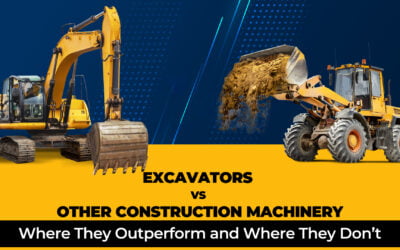
Construction Excavators vs. Other Machinery: Where They Outperform and Where They Don’t
Choosing the right equipment is critical to the success of any construction project. While construction excavators are widely used for their...

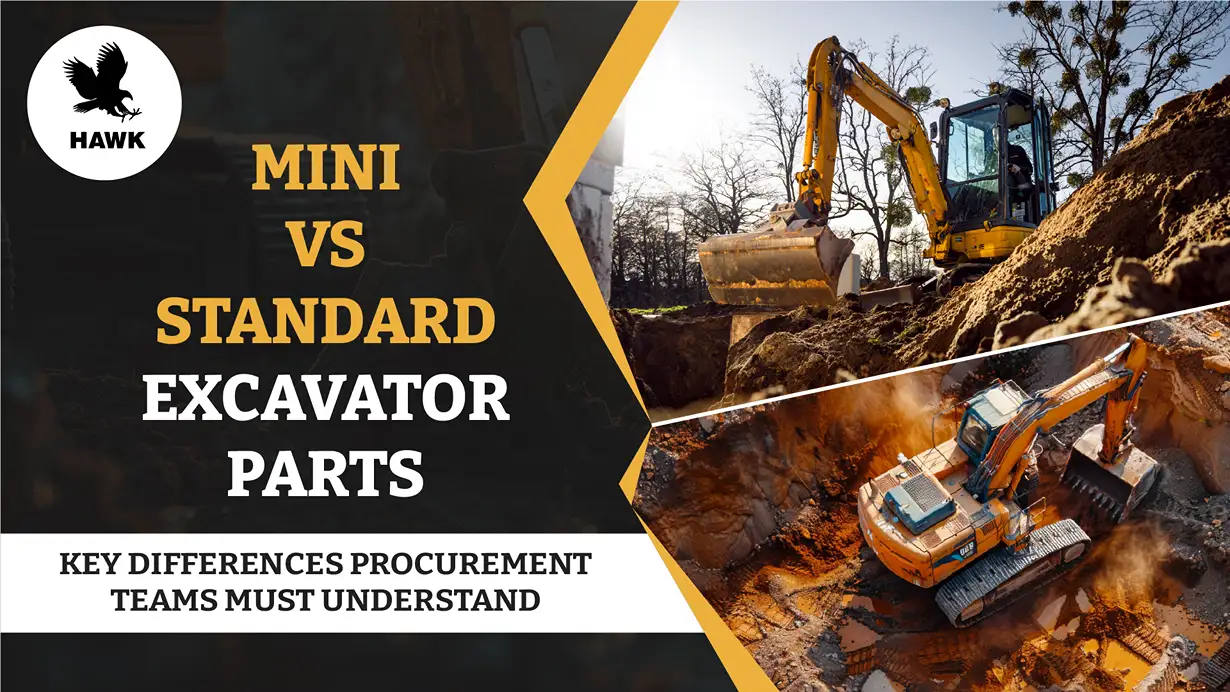
When it comes to keeping excavation projects on schedule, having the right parts for the right equipment is non-negotiable. For procurement teams managing fleets that include both mini and standard excavators, understanding the differences between these machines—and the excavator parts they require—is critical. Mini excavators are built for precision work in confined spaces, while standard excavators are engineered for high-output, heavy-duty applications. Each machine type comes with unique operational demands, influencing everything from part specifications to sourcing strategies. The procurement challenge lies not just in finding replacement components but in ensuring those components are the right fit for performance, longevity, and cost efficiency. From mini excavator parts like compact hydraulic cylinders to heavy-duty track chains for standard machines, every purchase decision has a direct impact on downtime, repair costs, and overall fleet productivity. By understanding how size, build, maintenance cycles, and sourcing considerations differ, procurement teams can make informed choices that keep their equipment running at peak performance.

Mini excavators are compact, versatile machines typically weighing under 10 tons. They are designed for tasks in confined or sensitive spaces where maneuverability is crucial—such as residential construction, utility trenching, landscaping, and small-scale demolition. Standard excavators, on the other hand, are larger and more powerful, with operating weights that often exceed 10 tons. They are engineered for heavy-duty applications, including mining, large-scale earthmoving, commercial site preparation, and major infrastructure projects. For procurement teams, understanding the operational scope of each machine is critical when sourcing the right excavator parts—from mini excavator parts for agile units to excavator spare parts for high-capacity equipment.
Mini excavators excel in urban and residential environments where low ground pressure, reduced noise, and minimal disruption are priorities. Their smaller footprint allows access through narrow job site entry points and operation in landscaped or developed areas without extensive site damage. Standard excavators are optimized for heavy construction, quarrying, and mining environments where maximum breakout force, digging depth, and continuous operation are required. Equipment operating in these demanding conditions often relies on specialized Hitachi excavator parts and other OEM or aftermarket solutions to maintain performance and reduce downtime.
When planning a mixed fleet, procurement teams must evaluate the job scope, operating conditions, and maintenance requirements of each machine type. Mini excavators may require more frequent replacement of certain wear parts due to high maneuvering cycles in tight spaces. In contrast, standard excavators may demand heavy-duty components to handle extreme loads and abrasive materials. Stocking the right combination of excavator spare parts for both categories ensures operational continuity, supports preventive maintenance programs, and reduces emergency procurement costs.
While the dimensions of mini excavator parts and standard excavator parts vary significantly, both are engineered with durability in mind. Standard excavator components are often larger, heavier, and designed to withstand extreme forces in heavy-duty excavation, mining, or demolition. Mini excavator components, though smaller, are typically built with high-strength alloys and wear-resistant coatings to handle frequent maneuvering, repetitive cycles, and operation in confined or sensitive areas. This ensures that even compact excavator spare parts meet the same performance expectations as their larger counterparts.
Mini excavator components are purpose-built for their unique operational requirements. Advances in metallurgy, forging processes, and OEM design—such as those found in Hitachi excavator parts—enable smaller components to deliver comparable performance and service life to larger equipment under their intended workloads. For procurement teams, this reinforces the importance of sourcing parts based on application fit rather than size alone.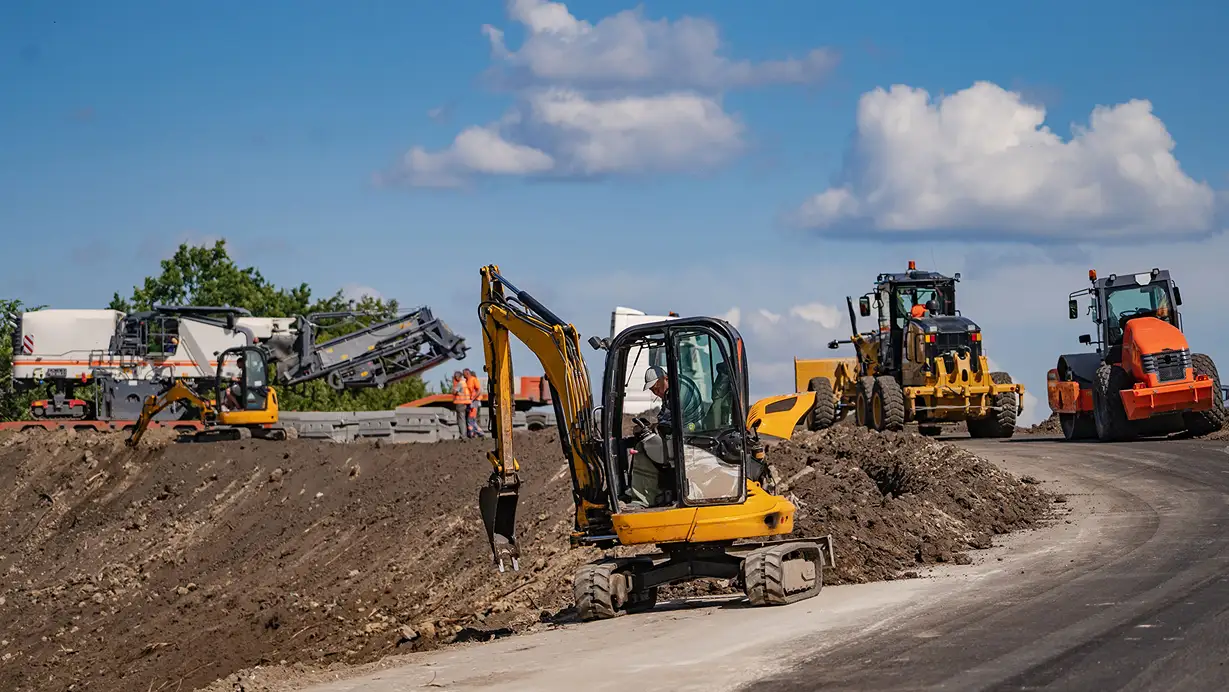
In many cases, mini excavator parts are easier to source due to their widespread use in landscaping, utility work, and small-scale construction. These machines have a high market presence, leading to robust supply chains for both OEM and aftermarket components. Standard excavator parts, while equally available for popular models, may have longer lead times for heavy-duty or specialized components, particularly those used in mining or large infrastructure projects. For procurement teams, ensuring a reliable inventory of frequently replaced excavator spare parts is key to minimizing operational interruptions.
Downtime has a different operational impact depending on the machine type. For mini excavators, delays can disrupt smaller-scale projects or sequential site schedules, but are often mitigated by faster repair times and easier on-site part swaps. Standard excavator downtime, however, can result in substantial financial loss, especially in high-output environments like quarrying or bulk earthmoving, where the equipment’s production capacity is integral to project timelines. This makes proactive maintenance planning and part readiness—especially for critical wear items—essential.
When selecting between aftermarket and OEM components, procurement teams must weigh cost, performance, and warranty considerations. OEM options, such as Hitachi excavator parts, ensure precise fit, proven durability, and manufacturer-backed support. Quality aftermarket parts can be a cost-effective choice if sourced from reputable suppliers, but compatibility and material integrity must be verified to avoid premature failures. Maintaining a balanced stock of both OEM and vetted aftermarket excavator spare parts can optimize cost efficiency while safeguarding equipment reliability.

Generally, mini excavator parts are less expensive than those for standard excavators due to their smaller size and lower material requirements. However, procurement teams must account for replacement frequency. Mini excavators, used in high-maneuver cycles, may require certain components—such as pins, bushings, and hydraulic seals—to be replaced more often. Standard excavator parts, including large hydraulic cylinders, heavy-duty track assemblies, and reinforced buckets, carry a higher individual cost but may offer longer service intervals under the right operating conditions.
A well-planned inventory strategy can significantly reduce operational downtime and procurement costs. Bulk stocking of high-turnover excavator spare parts, such as filters, hoses, and wear plates, can secure volume discounts and ensure immediate availability during maintenance. For mixed fleets, it is critical to differentiate between mini excavator parts and standard machine components in storage systems, preventing confusion and ensuring fast deployment. Leveraging supplier agreements for consistent restocking of OEM and reputable aftermarket parts—including Hitachi excavator parts—can further optimize cost efficiency.
While upfront part prices are important, procurement teams must also consider the total cost of ownership. This includes part lifespan, maintenance labor, potential downtime losses, and the impact on equipment performance. Mini excavators may incur higher cumulative replacement costs if used intensively, while standard excavators may require larger capital outlays for fewer but more expensive parts. Using a detailed cost-tracking system for excavator spare parts can help identify patterns, forecast future spending, and refine purchasing strategies for maximum ROI.
In many markets, mini excavator parts are treated as commodity items due to high demand and standardization across multiple equipment brands. This often leads to competitive pricing, shorter lead times, and broader availability from both OEM and aftermarket channels. However, certain precision components—such as proprietary control modules or model-specific hydraulic assemblies—remain specialty items, requiring direct OEM sourcing. Understanding which excavator parts fall into each category helps procurement teams set accurate lead time expectations and stocking priorities.
Brand-specific sourcing adds another layer of complexity to procurement planning. For example, Hitachi excavator parts are widely respected for their quality and engineering precision, but may have longer lead times or higher costs if sourced directly from OEM channels. Similar challenges apply to other major brands, especially for discontinued or limited-production models. Partnering with trusted vendors who have direct OEM relationships—or maintaining a vetted network of reputable aftermarket suppliers—can safeguard against critical part shortages.
Accurate SKU tracking for excavator spare parts is essential to avoid costly delays and procurement errors. In mixed fleets with both mini and standard excavators, consistent labeling and categorization ensure that technicians can quickly identify and retrieve the correct components. Implementing digital inventory systems with supplier-linked part numbers, reorder thresholds, and real-time stock updates not only improves operational efficiency but also strengthens vendor negotiation leverage through better purchasing data visibility.
Using the wrong excavator parts—whether through incorrect sizing, incompatible specifications, or substandard materials—can lead to costly breakdowns. For example, fitting a standard excavator’s oversized bucket pin into a mini excavator can accelerate bushing wear and compromise joint integrity. Similarly, installing non-compatible Hitachi excavator parts on a different brand without proper fitment verification can cause hydraulic inefficiencies or structural damage. Such errors often occur when part numbers are misread, OEM specifications are overlooked, or aftermarket substitutions are poorly vetted.
While standardizing parts may seem like a cost-saving and logistics-friendly approach, it can create hidden risks. Mini and standard excavators have unique operating loads, component tolerances, and design geometries. Forcing a “one-size-fits-all” approach can result in reduced efficiency, safety hazards, and premature part failure. Even seemingly identical excavator spare parts—such as track rollers or hydraulic seals—may differ in pressure ratings, material composition, or dimensional tolerances, making cross-use unreliable.
To prevent costly procurement errors, teams should adopt a consistent verification process:
For mixed fleets containing both mini and standard excavators, procurement teams must strike the right balance between diversification and consolidation. Diversifying excavator parts inventories ensures that machine-specific components—such as mini excavator parts for compact units or heavy-duty undercarriage assemblies for standard machines—are readily available when needed. Consolidation, on the other hand, can reduce storage costs and simplify management, but should be limited to universally compatible items such as filters, fasteners, and certain hydraulic fittings. The key is to analyze usage patterns and failure rates before determining which parts to standardize and which to stock separately.
Critical excavator spare parts—those that can halt operations if unavailable—should always be prioritized in inventory planning. For high-use items like bucket teeth, track links, and hydraulic seals, maintaining a minimum stock threshold based on average consumption rates helps prevent costly downtime. Seasonal demand fluctuations, project schedules, and supplier lead times should also factor into stocking decisions. Partnering with reliable vendors who offer rapid replenishment for both OEM and quality aftermarket options can further enhance readiness.
Brand reputation plays a major role in long-term fleet performance. OEM components, such as Hitachi excavator parts, are engineered for precise fitment and proven durability, making them a strong choice for mission-critical applications. However, procurement teams should regularly review performance data across different brands to ensure that higher upfront costs translate into measurable lifecycle value. Testing and documenting part reliability—whether OEM or aftermarket—provides the insight needed to refine sourcing strategies and optimize overall fleet productivity.

Optimizing a fleet’s parts strategy requires a balance between technical accuracy, reliable sourcing, and smart inventory planning. Whether it’s securing durable Hitachi excavator parts for heavy-duty units or stocking versatile excavator spare parts for smaller machines, the right approach can significantly reduce downtime and extend equipment life. If you’re looking to equip your fleet with high-quality, reliable excavation solutions, explore the full range of excavator attachments, buckets, and parts at Hawk Excavator—where performance and precision come standard.
Get in touch with us now!
Choosing the right equipment is critical to the success of any construction project. While construction excavators are widely used for their...

Excavators have long been the backbone of earthmoving operations, valued for their digging precision, reach, and raw lifting power. But in today’s...

The excavator undercarriage is the foundation of the machine’s mobility and stability, yet it is often one of the most overlooked areas when it...