Construction Excavators vs. Other Machinery: Where They Outperform and Where They Don’t
Choosing the right equipment is critical to the success of any construction project. While construction excavators are widely used for their...

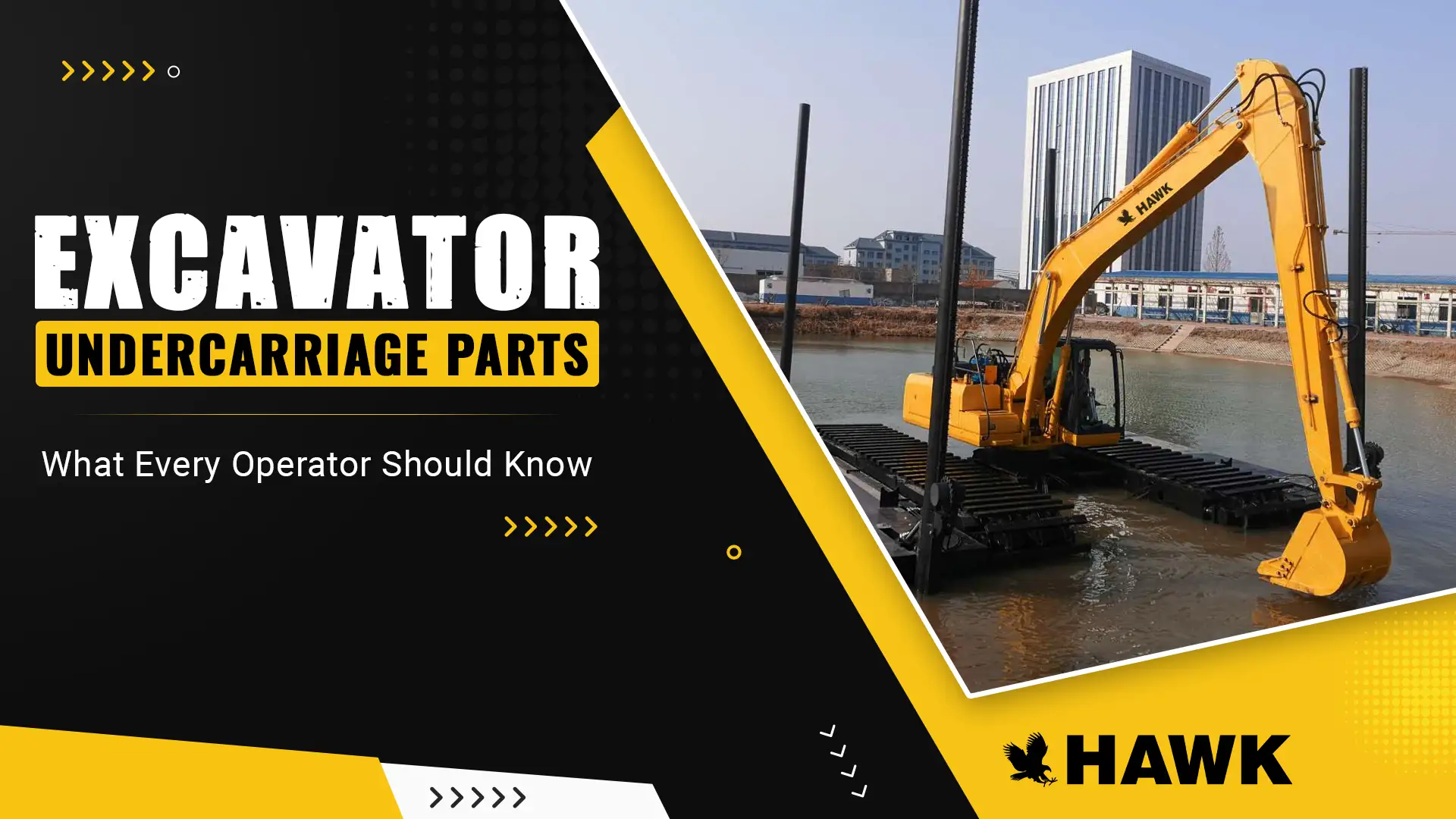
The excavator undercarriage is the foundation of the machine’s mobility and stability, yet it is often one of the most overlooked areas when it comes to maintenance. As a system composed of critical components like track chains, rollers, sprockets, and idlers, the undercarriage plays a major role in the overall performance and longevity of the equipment.
Undercarriage parts and replacement parts are available for a wide range of equipment makes and models, including mini excavators, compact track loaders, and dozers, ensuring compatibility and reliable performance across different machinery types.
For operators and fleet managers, understanding the function and upkeep of excavator undercarriage parts is essential to reduce downtime, improve efficiency, and lower operating costs. This guide covers everything you need to know about undercarriage excavator parts, including their components, common wear patterns, and maintenance tips that help extend their lifespan.

The excavator undercarriage is the foundation of the machine, responsible for supporting its weight, enabling mobility, and providing stability on challenging terrains. It consists of key components, including track chains, rollers, idlers, sprockets, track shoes, and, in some equipment, rubber tracks as an alternative to steel tracks. Together, these excavator undercarriage parts form the foundation on which the upper structure operates, ensuring smooth and reliable performance in heavy-duty applications such as construction, mining, and excavation.
An excavator is divided into two main sections: the upper structure and the undercarriage. The upper structure comprises components such as the cab, boom, engine, and hydraulic systems. It is designed for digging, lifting, and material handling. In contrast, the undercarriage excavator parts are focused on movement and stability. While the upper structure performs the operational tasks, the undercarriage absorbs ground impact, distributes weight evenly, and ensures that the machine remains stable during operation. Understanding this distinction is essential when maintaining or replacing undercarriage parts for excavators, as they directly influence machine efficiency and operator safety.
The condition of the excavator’s undercarriage plays a crucial role in the overall performance, fuel efficiency, and lifespan of the machine. Worn-out or poorly maintained excavator parts, such as track chains or rollers, can lead to uneven wear, reduced traction, and costly breakdowns. Since the undercarriage can account for up to 50% of the total maintenance cost of an excavator, regular inspections, timely replacement of worn components, and proper track tensioning are critical. Well-maintained excavator undercarriage parts not only enhance productivity but also minimize downtime and extend the equipment’s operational life.

The undercarriage of an excavator is composed of multiple components that work together to ensure stability, traction, and smooth operation. Key excavator undercarriage parts include track chains, rollers, idlers, sprockets, and sprocket segments. Proper knowledge of these excavator undercarriage parts is essential for both operators and maintenance teams to ensure optimal machine performance and reduce unnecessary wear.
The track chain forms the backbone of the excavator’s movement system, while track shoes are bolted to the chain links to provide traction and stability. Together, they bear the machine’s weight and enable it to traverse rough or soft ground.
Types of Track Shoes:
The choice of track shoe impacts ground pressure and traction. For example, wider shoes distribute weight more evenly on soft surfaces, while narrower shoes offer better ground penetration on hard terrain. Selecting the right track shoes is critical when replacing undercarriage excavator parts.

Track rollers, also known as bottom rollers, are positioned under the track frame and support the excavator’s weight while guiding the chain during operation. They ensure even weight distribution and prevent derailment.
Signs of Wear and Replacement Indicators:
Regular inspection and timely replacement of worn track rollers can prevent costly damage to other undercarriage parts for excavators.
Carrier rollers are positioned at the top of the undercarriage and guide the track chain as it moves over the machine. Although they carry less weight compared to bottom rollers, they are essential for keeping the track aligned.
Maintenance Tips:
The idler wheel, located at the front of the track frame, serves to guide the track chain and maintain proper tension. It also absorbs impact forces during digging or heavy operations.
Lubrication and Adjustment:
Sprockets, located at the rear of the undercarriage, engage directly with the track links to drive the excavator forward or backward. Properly matched sprockets and track chains are critical for smooth operation.
Wear Patterns and Matching:
Track adjusters maintain the correct tension in the track chain. These systems are either hydraulic or grease-based and are vital for efficient track performance.
Proper Track Tension and Consequences of Misalignment:
Understanding wear patterns on excavator undercarriage parts is essential for diagnosing potential issues before they lead to costly repairs or downtime. Each component of the undercarriage can show specific wear indicators, which can help operators take timely corrective action.
Regular visual inspections are the first step to maintaining the health of undercarriage parts for excavators. Key points to check include:
Documenting wear trends during every inspection helps identify patterns of misuse, ensuring that excavator parts are replaced on time.
Routine adjustments and adherence to manufacturer guidelines can significantly extend the lifespan of excavator undercarriage parts.

Premature wear of undercarriage excavator parts is one of the leading causes of increased maintenance costs and downtime. Understanding the factors that accelerate wear helps operators adopt better practices and extend the life of their equipment.

The type of terrain significantly influences the wear rate of the excavator undercarriage parts:
Regular cleaning after operations in harsh terrain is essential to protect the undercarriage parts of excavators.
Excessive or sharp pivot turns put unnecessary stress on tracks, sprockets, and rollers. Operators who frequently perform turns in the same direction can create uneven wear patterns on their tires. Best practices include:
Failure to conduct regular inspections, lubrication, and tension adjustments is a common cause of premature wear in excavator parts. Key areas, such as track rollers, idlers, and tensioning mechanisms, require periodic attention to ensure smooth operation and prevent component failure. A well-maintained undercarriage not only lasts longer but also improves fuel efficiency and performance.
Using non-matching components, such as a new track chain with worn sprockets, accelerates wear and reduces performance. Incompatible parts can lead to misalignment and excessive friction. Always ensure that replacement excavator undercarriage parts are compatible with the machine model and are replaced as a set when required (e.g., sprockets and chains).

Regular and proactive maintenance of the excavator undercarriage parts is crucial to ensure maximum machine performance, reduce downtime, and minimize repair costs. By following a structured maintenance routine, operators can extend the life of undercarriage excavator parts and avoid premature failures.
Daily checks allow operators to identify wear issues early and take corrective measures before they escalate. A quick walk-around inspection should include:
Proper lubrication is crucial for reducing friction and preventing premature wear in components such as rollers, carrier rollers, and idlers.
Mud, clay, and sand are among the leading causes of accelerated undercarriage wear as they pack into components and create abrasive conditions.
Keeping accurate records of inspections and maintenance helps track wear patterns and ensures the timely replacement of parts, thereby extending the lifespan of the equipment.

Maximizing the performance and lifespan of your excavator’s undercarriage parts begins with proper knowledge, regular inspections, and the use of high-quality components. By understanding wear patterns, maintaining proper track tension, and adhering to a consistent maintenance schedule, operators can significantly reduce downtime and repair costs. At Hawk Excavator, we provide premium-grade undercarriage parts, as well as items like cutting edges for excavator buckets designed to withstand the toughest working conditions. Whether you need replacement attachments, components or expert advice, explore our range of durable excavator parts to keep your equipment operating at peak efficiency—visit Hawk Excavator today.

An excavator undercarriage is made up of track chains, track shoes, rollers (top and bottom), idlers, and sprockets. These components work together to provide stability, traction, and mobility across rough or uneven terrain. Understanding how each part functions helps operators maintain optimal machine performance and reduce wear.
Undercarriage parts should be visually inspected daily and thoroughly serviced every 250–500 operating hours, depending on site conditions. Regular inspections for leaks, uneven wear, and track tension help prevent breakdowns and extend component life.
Flat spots on rollers, sharp sprocket teeth, cracked or bent track shoes, and oil leaks are early warning signs of wear. Uneven wear patterns can also indicate improper track tension or misalignment. Addressing these issues promptly prevents costly repairs and downtime.
Rough, rocky terrain accelerates impact damage, while sandy or muddy conditions cause abrasion and buildup, increasing friction. Cleaning the undercarriage after each operation and using the correct track shoes for the surface type are key to minimizing wear.
Sprockets and track chains wear in sync. Installing a new chain with worn sprockets—or vice versa—causes uneven engagement, faster deterioration, and reduced traction. Replacing them together ensures smooth operation and maximizes the life of the excavator undercarriage system.
Get in touch with us now!
Choosing the right equipment is critical to the success of any construction project. While construction excavators are widely used for their...

Excavators have long been the backbone of earthmoving operations, valued for their digging precision, reach, and raw lifting power. But in today’s...

When it comes to keeping excavation projects on schedule, having the right parts for the right equipment is non-negotiable. For procurement teams...