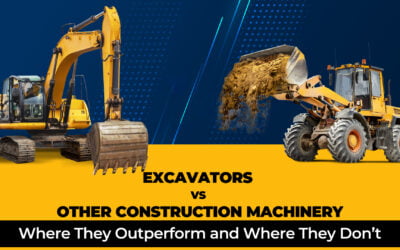
Construction Excavators vs. Other Machinery: Where They Outperform and Where They Don’t
Choosing the right equipment is critical to the success of any construction project. While construction excavators are widely used for their...


When it comes to maximizing the performance and longevity of heavy equipment, few components play as crucial a role as cutting edges for excavator buckets. These wear parts are the first to engage with tough terrain, abrasive materials, and high-impact loads, making them a critical factor in determining the overall productivity and efficiency of excavation operations. Whether you’re digging, trenching, or loading, the right excavator cutting edge ensures smoother penetration, reduced wear on the bucket, and better control during operation.
Selecting the proper bucket cutting edges is not just about durability—it’s also about enhancing fuel efficiency, reducing maintenance intervals, and ultimately lowering your total cost of ownership. Choosing the ideal material and type—whether it’s a bolt-on cutting edge for an excavator bucket or a weld-on option—can drastically improve cycle times and extend the life of your equipment.
This guide is tailored for contractors, fleet managers, and equipment owners looking to make informed decisions about their cutting-edge needs. From understanding material grades to exploring mounting configurations, we’ll help you navigate the options and select the most effective cutting edges for excavator buckets for your application.
To ensure you select the correct product for your excavator bucket, it is essential to gather detailed information about your equipment, including the make and model. Knowing the specific makes and models helps guarantee compatibility and allows you to choose the right product for your machine.

Cutting edges for excavator buckets are heavy-duty wear components designed to enhance the efficiency and durability of the bucket during ground engagement tasks. These edges form the front lip or bottom edge of the bucket and serve as the primary point of contact between the bucket and the material being moved. Their core function is to improve penetration into soil, rock, or debris, reducing resistance and wear on the main bucket structure.
In day-to-day operations, an excavator’s cutting edge plays a pivotal role in tasks such as digging trenches, grading surfaces, and handling heavy materials. A sharp, well-maintained edge allows for clean cuts and efficient material flow, ultimately increasing productivity while minimizing fuel consumption and machine stress. These components are particularly critical in high-abrasion environments where the bucket is subjected to continuous impact and friction.
Bucket cutting edges come in various configurations and can be welded directly to the bucket or attached using hardware as a bolt-on cutting edge for an excavator bucket. Bolt-on edges offer the advantage of easy replacement, making them a preferred choice for contractors looking to reduce downtime and streamline maintenance. Regardless of the mounting type, cutting edges are always located along the bottom front edge of the bucket, where they directly influence digging performance and wear resistance. The center-to-center spacing of mounting holes is a critical specification to ensure proper fitment of replacement cutting edges.

Choosing the right cutting edges for excavator buckets starts with understanding the different types available and their specific applications. Each edge design is tailored to handle unique site conditions and operational goals, from general-purpose digging to high-impact trenching. For example, bolt-on DBF options are popular for their ease of replacement and versatility. Bolt-on cutting edges are designed with pre-drilled holes to ensure secure and precise attachment to the bucket.
The straight excavator cutting edge is the most common and versatile design. It features a flat, clean edge that provides smooth cutting action, making it ideal for general-purpose digging, grading, and site preparation. These bucket cutting edges are often seen on standard-duty excavator buckets used in construction, landscaping, and utility applications. Whether welded or installed as a bolt-on cutting edge for an excavator bucket, the straight edge is a go-to for balanced performance and simplicity.
Serrated edges are engineered with teeth-like notches that enhance the bucket’s ability to bite into dense or compacted materials. The increased edge surface allows for better material penetration with less operator force. This type of excavator cutting edge excels in challenging environments such as frozen ground, rocky terrain, or hardened clay, where a smooth edge would struggle to break through. Serrated edges are commonly available as bolt-on components for quick changeouts in high-wear applications.
Featuring a tapered, wedge-like profile, the spade or semi-spade cutting edges for excavator buckets are designed to slice efficiently through materials rather than pushing or scraping. This design is particularly effective for trenching, pipe laying, and other utility work where precision and reduced material disruption are critical. Spade edges offer improved control in tight or confined job sites and are often seen in utility and underground construction fleets.
The double-bevel flat edge stands out for its symmetrical, reversible profile, which allows it to be flipped once worn, effectively doubling its service life. This design is favored by contractors looking for longevity and efficiency. DBF bucket cutting edges are often used in general excavation and material handling, where consistent edge performance and reduced downtime are priorities. Bolt-on DBF options further streamline replacement and wear management.
For specialized operations or multifunction buckets, custom and hybrid excavator cutting-edge designs are available. These may include integrated side cutters, add-on tooth segments, or modular systems that combine serrated and flat sections. Such configurations are ideal for operators who need versatility across multiple applications without changing attachments. Hybrid edges offer enhanced adaptability and can be tailored to match specific ground conditions or material types.
By selecting the right type of cutting edges for excavator buckets, operators can optimize digging performance, reduce fuel consumption, and extend the life of their equipment.
Selecting the right material is just as important as choosing the right profile when it comes to cutting edges for excavator buckets. Material composition directly affects durability, wear resistance, and cost-effectiveness—key factors for fleet managers, contractors, and heavy equipment owners aiming to maximize operational uptime. Below are the most common materials used in excavator cutting edges, each with its performance characteristics.
Carbon steel is the most commonly used material for bucket cutting edges, especially in general-purpose and light-to-medium duty applications. It’s cost-effective, easy to fabricate, and provides decent wear resistance for standard digging, site prep, and landscaping tasks. Carbon steel edges are often available as both weld-on and bolt-on cutting edges for excavator bucket options, making them suitable for operators looking for an affordable yet dependable solution.
For more demanding environments, excavator cutting edges made from heat-treated steels like HT400 or boron steel offer a significant upgrade. These materials undergo specialized heat treatments to enhance surface hardness and wear resistance, making them ideal for abrasive conditions such as gravel, shale, and high-impact sites. Heat-treated steel cutting edges are a preferred choice in construction and quarrying projects where edge durability is critical.
In extreme applications such as mining, dredging, and demolition, cutting edges for excavator buckets with chromium carbide overlays deliver unmatched abrasion resistance. These edges consist of a carbon steel base with a welded layer of chromium carbide, offering a premium, wear-resistant surface capable of handling highly abrasive materials and harsh work cycles. While more expensive than standard materials, their superior lifespan reduces replacement frequency and minimizes downtime.
Tungsten carbide is among the hardest known materials used in industrial applications. Bucket cutting edges with tungsten carbide inserts are engineered for maximum performance and extended wear life, even under severe conditions. These edges command a higher upfront investment, but they deliver exceptional value over time by drastically reducing edge replacements. Contractors in the mining, rock excavation, and heavy demolition sectors often rely on these excavator-cutting-edge solutions for long-term efficiency.
The performance and longevity of cutting edges for excavator buckets are not solely determined by material selection—manufacturing methods and edge profiles also play a vital role. Cutting edges are built and produced with high-quality materials and advanced processes to ensure long-lasting durability and performance. Different edge geometries and production techniques influence how well the excavator cutting edge performs in specific applications, from precision grading to high-impact excavation.
Single-bevel cutting edges have one side tapered to form a sharp angle, which enhances penetration into tough materials like compacted soil or clay. This profile is ideal for tasks requiring aggressive digging and material breakup. In contrast, double bevel edges feature symmetrical tapering on both sides, allowing the edge to be flipped once worn. This reversible design is common in bolt-on cutting edges for excavator bucket systems, offering extended service life and reduced downtime. Contractors often choose double bevel edges for general-purpose use where wear life and easy maintenance are key priorities.
Cast cutting edges are formed by pouring molten metal into a mold, resulting in a solid, uniform structure with enhanced impact resistance. These edges are particularly well-suited for high-stress applications such as demolition and rock excavation. Fabricated edges, on the other hand, are manufactured by welding or machining steel plates into the desired shape. They offer greater flexibility in design and are commonly used for custom or application-specific bucket cutting edges. While cast edges offer superior toughness, fabricated edges can be more cost-effective and quicker to produce.
To further enhance durability, many excavator cutting edges are treated with hardfacing—a process that applies wear-resistant materials, such as tungsten carbide or chromium carbide, to the edge surface. This added layer significantly improves resistance to abrasion, especially in environments with sharp, gritty, or high-friction materials. Reinforcement options may also include thicker edge profiles, additional wear strips, or reinforced corners, all designed to extend the operational life of the cutting edges for excavator buckets.


When selecting cutting edges for excavator buckets, one of the most important decisions is choosing between bolt-on and weld-on configurations. Each type offers distinct advantages depending on the application, equipment usage, and maintenance strategy.
A bolt-on cutting edge for an excavator bucket is designed for quick installation and easy replacement. These edges are attached using hardened bolts and can be swapped out without the need for welding or specialized tools. The biggest advantage of bolt-on systems is reduced downtime—edges can be changed on-site, minimizing disruption to operations. They also allow for reversible designs, especially with double-bevel edges, which effectively double the service life. For contractors managing large fleets or rental equipment, bolt-on bucket cutting edges provide cost-effective flexibility and improved maintenance efficiency.
However, bolt-on edges may have slightly lower structural rigidity compared to their welded counterparts, which can be a factor in heavy-impact environments. They also require precise fitment and periodic bolt inspections to ensure secure attachment.
Weld-on cutting edges for excavator buckets are permanently affixed to the bucket lip, offering a solid, seamless bond that’s ideal for heavy-duty or high-impact applications. This design eliminates the possibility of loose fasteners and provides a cleaner profile that resists snagging in rocky or uneven terrain. Weld-on edges are often used for custom profiles or reinforced designs where strength and reliability are critical.
The trade-off with weld-on edges is that they are more time-consuming to replace. Cutting, grinding, and welding are required for removal and installation, which can increase downtime and labor costs during edge replacement. As such, they’re best suited for long-term setups where frequent edge changes are not expected.
When comparing both types, the decision comes down to operational needs: bolt-on cutting edges offer faster serviceability. In contrast, weld-on cutting edges provide maximum durability and stability for demanding excavation work.
Choosing the right cutting edges for excavator buckets depends heavily on the specific work environment and operational demands. Each application—from construction to mining—requires unique edge profiles and materials to maximize performance, wear resistance, and cost-efficiency. Below is a breakdown of optimal excavator cutting edge types based on industry-specific needs.
In general construction tasks—such as grading, trenching, and material loading—versatility is key. Straight bucket cutting edges are commonly used due to their balanced performance in a variety of soil types. For fleets that operate across multiple sites, bolt-on cutting-edge excavator bucket setups offer the flexibility to replace worn parts and minimize downtime quickly. Carbon steel or heat-treated steel is typically sufficient for moderate-impact environments, ensuring reliable operation without excessive wear costs.
Mining and quarry operations present some of the harshest conditions for excavator cutting edges. Here, durability and abrasion resistance are paramount. Double-bevel edges made from heat-treated boron steel or edges enhanced with chromium carbide overlays are ideal for high-wear applications like handling rock, ore, or compacted minerals. Weld-on options offer superior stability, while bolt-on systems with reinforced corners and hardfacing can reduce overall maintenance intervals in abrasive settings.
Precision is critical in landscaping, municipal, and utility applications where operators need clean cuts and minimal ground disruption. Serrated bucket cutting edges improve penetration and control in soft soils or lightly compacted material. For trenching or pipe-laying, spade or semi-spade excavator cutting edges allow for smoother slicing with reduced ground resistance. Lightweight carbon steel with bolt-on mounting is often preferred for quick adaptation between projects.
In agricultural and forestry work, cutting edges for excavator buckets must be adaptable to soft terrain, vegetation, and organic debris. Single bevel or semi-spade edges are useful for plowing, clearing, and light digging. Depending on the task, such as root removal or soil reshaping, contractors may choose bolt-on systems for quick swaps or go with custom profiles to match season-specific workloads. Heat-treated edges provide added toughness when handling dense vegetation or compacted topsoil.

To get the most out of your cutting edges for excavator buckets, regular inspection and timely replacement are essential. Proper maintenance not only extends the lifespan of the cutting edge itself but also protects the structural integrity of the bucket, reduces fuel consumption, and enhances overall digging performance.
Routine visual inspections should focus on identifying uneven wear, cracking, thinning, or edge rounding. If the excavator cutting edge becomes excessively worn, it can lead to poor bucket penetration, increased resistance, and higher stress on both the machine and operator. Keep an eye on wear indicators, when available, and compare wear across both sides to ensure the edge is wearing evenly.
There’s no one-size-fits-all schedule for replacing bucket cutting edges, as it depends on material hardness, job conditions, and frequency of use. However, for high-production environments or abrasive materials, it’s recommended to inspect the edges daily and replace them once wear reaches 70–80% of their usable thickness. For reversible designs, such as a double-bevel bolt-on cutting edge for an excavator bucket, rotating the edge at the halfway wear point maximizes usable life.
For bolt-on edges, maintaining proper bolt torque is critical. Loose fasteners can lead to misalignment, vibration, or even edge detachment during operation. After installation, recheck torque after the first few hours of use, and continue to verify bolt tightness as part of your scheduled maintenance routine. Always use manufacturer-recommended torque specifications for your bolt-on cutting edge for the excavator bucket.
Running equipment with dull or rounded excavator cutting edges significantly impacts productivity. Worn edges require more force to penetrate materials, which increases fuel usage, slows down cycle times, and puts added strain on the hydraulic system. Additionally, a dull edge reduces digging accuracy, which is especially critical in precision tasks like trenching or grading. Replacing or rotating worn bucket cutting edges promptly keeps your equipment running at peak efficiency and reduces overall operating costs.
Even with quality cutting edges for excavator buckets, performance and cost-efficiency can suffer if common selection and maintenance mistakes are made. Whether you’re managing a fleet or operating a single machine, avoiding these missteps can make a significant difference in operational productivity and lifecycle cost.
One of the most frequent errors is selecting a bucket cutting edge that isn’t suited to the working environment. For instance, using a straight excavator cutting edge in frozen or compacted ground can lead to poor penetration and excessive wear. In contrast, serrated or spade edges are designed to handle dense materials more effectively. Understanding the terrain and material characteristics helps ensure the right match between edge profile and application.
Material choice is just as critical as edge type. Using a basic carbon steel edge in highly abrasive environments like mining or demolition can lead to rapid deterioration. In these cases, upgraded options such as heat-treated or chromium carbide-enhanced cutting edges for excavator buckets are more suitable. Matching the edge material to the ground conditions and operating intensity helps prevent premature failure and costly downtime.
Focusing solely on upfront costs often leads to more expensive outcomes in the long run. Cheaper bolt-on cutting-edge excavator bucket options may save money initially. Still, if they require frequent replacements or cause increased fuel usage due to poor performance, they can significantly increase total operating costs. Evaluating total cost of ownership—including edge lifespan, maintenance frequency, downtime, and fuel efficiency—is essential to making the most cost-effective choice.
By steering clear of these common mistakes, operators can ensure their excavator cutting edges deliver reliable performance and long-term value in any application.

Selecting the right cutting edges for excavator buckets is more than just a maintenance decision—it’s a strategic investment in productivity, fuel efficiency, and equipment longevity. From understanding edge types and materials to evaluating mounting options and industry-specific applications, each factor plays a crucial role in overall performance. Contractors, fleet managers, and operators who take the time to align their cutting-edge choices with jobsite demands will benefit from smoother operation, reduced downtime, and lower long-term costs.
Avoiding common pitfalls, such as using the wrong edge for the terrain or overlooking material compatibility, —ensures your excavator cutting edge works as hard as your machine does. Whether you’re outfitting a fleet for heavy-duty mining or handling fine grading on utility projects, making informed decisions about bucket cutting edges leads to more efficient digging cycles and better job outcomes. With the right selection and maintenance strategy, your cutting edge becomes a key asset in maximizing performance and return on investment.

There are several types, including straight edges, spade edges, serrated edges, and bolt-on replaceable edges. Each is designed for specific ground conditions and tasks, such as trenching, grading, or penetrating compacted materials.
The choice depends on factors such as soil type, operating environment, material density, and whether precision or durability is more important. The article outlines best-use scenarios for each edge type.
Bolt-on cutting edges are easy to replace, extend the life of the bucket, reduce downtime, and allow for quick changes between edge types depending on the job requirements.
Cutting edges should be inspected regularly for wear, cracks, and dullness. The frequency of replacement depends on usage, material type, and edge quality; however, periodic maintenance can help prevent costly bucket damage.
Yes, most excavator buckets can be fitted with bolt-on or weld-on edges if compatible. It’s essential to consult with the manufacturer or a specialist to ensure a proper fit and optimal performance.
Get in touch with us now!
Choosing the right equipment is critical to the success of any construction project. While construction excavators are widely used for their...

Excavators have long been the backbone of earthmoving operations, valued for their digging precision, reach, and raw lifting power. But in today’s...

When it comes to keeping excavation projects on schedule, having the right parts for the right equipment is non-negotiable. For procurement teams...