
RTK GPS for Excavators: When Precision Reduces Rework and Project Cost
Does RTK GPS Guidance Actually Pay Off on Excavator Projects? Yes, when grade accuracy, dredging depth, rework, survey time, or underwater...

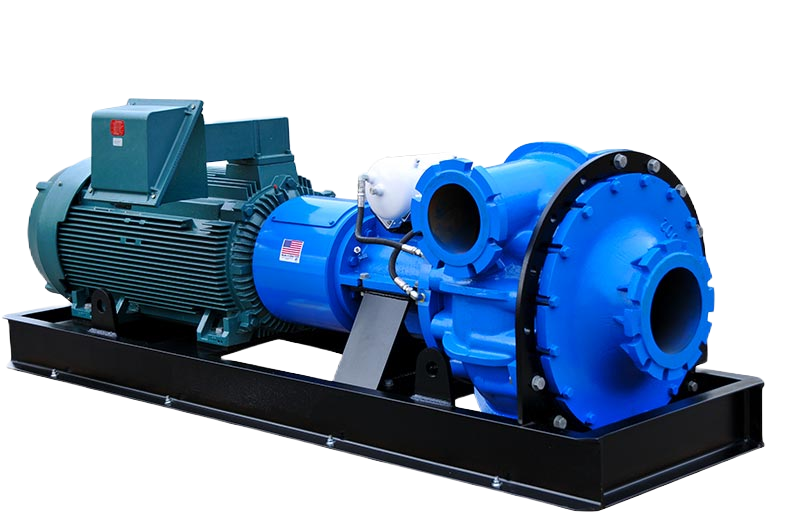
You might be wondering what dredging is? If you have been to a construction site or area with a lot of sand and soil, you have probably seen some people digging up the dirt with big machines. This process is called dredging.
Dredging is used to clean up mud, sand, and other materials that are in the water. It can also take out silt from rivers or lakes so boats can pass through them quickly without getting stuck at some places due to too much mud on its surface. OEM dredging pumps are usually used when removing large amounts of silt from lakes or rivers because they can suck in more than one cubic yard per minute (1 cubic yard = 27 cubic feet). That’s pretty fast!
Dredging pumps are used to move sand, gravel, and other sediments. These pumps are specifically designed to handle abrasive particles such as sand, silt, and debris, which can cause significant abrasive wear. They remove material from a body of water and dispose of it on land. A dredge pump can also be used in industrial mining or construction projects. Many dredging pumps are constructed from durable materials like cast iron or feature investment cast stainless steel components to ensure long seal life and resist abrasive wear. Several dredging pumps are available today, each with unique characteristics and use. Below is a list of five different types:
These pumps are engineered to handle abrasive slurries and abrasive sand, making them suitable for demanding environments.

Dredging is the process of excavating and removing sediment, silt, and other materials from the bottom of water bodies such as rivers, lakes, and oceans. This essential activity helps maintain navigable waterways, prevent flooding, and support land reclamation projects. Dredging operations rely on specialized dredging equipment, with dredge pumps playing a central role in efficiently moving sediment and debris. Whether pumping sea water or fresh water, these pumps are designed to handle the challenging task of sediment removal, making them indispensable in a wide range of applications.
Dredge pumps, along with suction hoses and discharge pipelines, are used to transport dredged material from the waterbed to a designated disposal or processing site. The choice of equipment depends on the specific requirements of each project, including the type of sediment and whether the operation involves sea water or fresh water. Dredging is not only vital for keeping waterways open for navigation but also plays a key role in environmental remediation, construction, and other industries that require the removal of accumulated materials from aquatic environments. By using the right pumps and equipment, dredging projects can be completed efficiently, supporting both economic development and environmental protection across various industries.

Submersible slurry pumps use high-pressure water to move abrasive materials such as sand and gravel, as well as other abrasive particles encountered in industrial and marine environments. This can be done by either pumping through a hose or pipe or submerging underwater. They can be used on land or in water depending on the material being moved around, making them versatile enough to work with many different industries and types of businesses.
Submersible slurry pumps can be used for many different applications. Due to their ability to work with abrasive materials, they are ideal for various industries, including mining and water treatment. These pumps are also suitable for use with sea water mixed with abrasive materials, ensuring durability in harsh marine conditions. They are popular because they perform better and more reliably than other slurry pumps and are easy to install, maintain, and repair.
Submersible slurry pumps are used in industries that require abrasive materials, such as mining and water treatment. They can also be used for many different applications. These pumps are ideal because they perform better and more reliably than other slurry pumps. They are also easy to install, repair, and maintain. Submersible slurry pumps are designed for simple maintenance, with features that allow for quick servicing and reduced downtime.
Dredge slurry pump hydraulic pumps are ideal for several different uses, depending on your industry or business type. Depending on your operation size, there are several various submersible slurry pumps to choose from:
3-inch pumps – typically used in small-scale operations such as construction sites and other industrial locations where huge amounts of material need to be moved around quickly
6-inch pumps – ideal for medium-sized industrial applications and farms that require high volumes but do not have enough space for larger equipment
8 and 10-inch pumps – large capacity machines which can be used in almost any setting where there is a need to move water or other liquids quickly and efficiently
Submersible slurry pumps are also used in the mining industry. They are used in the dredging and construction industries. Oil and gas industries also use the submersible slurry pump to keep their pipelines clean and free of leakage-causing debris and other foreign objects.
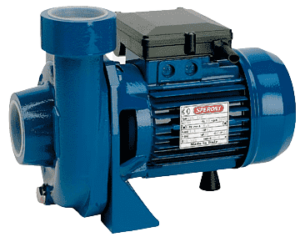
A centrifugal pump plays an essential role in the chemical and processing industries regarding the efficient and safe transfer of chemicals. These machines are designed with a rotating impeller, which moves the liquid out of the pump while creating a centrifugal force that pushes the liquid away from its center. The impeller creates pressure by forcing the fluid to move outward towards its blades. In this process, the impeller transfers kinetic energy to the liquid, enabling efficient movement of sediment-laden water in dredging applications.
Fluid enters the casing through an inlet port at high velocity until it contacts the impeller orifice plate. The high-pressure inlets create low-pressure drops that draw more liquid into the casing at a considerable speed of up to several hundred miles per hour.
With a centrifugal pump, there is no direct contact between the fluid handled and the rotating pump shaft, which increases safety and reduces maintenance costs.
Centrifugal pumps are used for pumping water, slurries, and gases. Centrifugal pumps have high-pressure heads due to their self-priming capability, which makes them ideal for continuous operation without any priming requirements. Dredge pump work relies on centrifugal force and impeller design to move slurries through the system, often utilizing discharge pipelines and auxiliary components like booster pumps in large-scale dredging projects.

A hydraulic dredge pump is an essential piece of equipment for sand and silt removal. It is used for dredging work in rivers, lakes, and reservoirs. It can also be applied to land reclamation and river diversion projects. The hydraulic dredge pump has many advantages, such as simple structure, reliable operation, long service life, easy maintenance, and convenience. A robust adapter ensures durability and reliable performance under severe service conditions.
The hydraulic submersible dredge pump is a type of centrifugal pump, with the main difference being that its suction and discharge are not located at the same end of the pump. Instead, they’re separated by impeller housing. In other words, it has two chambers: one where water enters and leaves via an inlet pipe (the suction chamber) and another where dirty water exits through an outlet pipe (the discharge chamber). The dredge’s suction pipe is integral to drawing in slurry and maintaining effective suction during operation, while the dredge pump’s discharge is crucial for connecting the pump to the discharge pipeline and efficiently transporting sediment-laden water or slurry away from the pump.
The hydraulic dredge pump pumps water from rivers or lakes into reservoirs, canals, and lakes. This can be done using a single machine or two machines working together—one to lift water out of a reservoir or lake, while another pumps it into a canal system for transport elsewhere.
Hydraulic dredge pumps are divided into two types: single-lift and variable-head pumps. The former is a conventional hydraulic pump, while the latter uses both variable heads and variable speeds. Some hydraulic dredge pumps feature a dual volute design to reduce radial load on the engine, improving hydraulic balance and extending equipment life.
In terms of efficiency, hydraulic dredge pumps have obvious advantages compared with screw pumps. Because of their low rotary speed and high torque, they can effectively solve complex problems caused by sand clogging or impurity precipitation in the extraction well. This dramatically improves product quality by reducing the contamination of gravel during transportation.
A dredge pump kit is a set of tools to help you get your boat through the water faster. The kit includes a motor that sits on the boat and propels it forward, a hose that connects the motor to the propeller and moves water out of the way, and a propeller that pushes the water out of the way as it moves forward.
The dredge pump kit is a simple, effective, and affordable system that includes a dredge pump, a pump head, and a suction pipe. The suction pipe is connected to the dredge pump via an adjustable nozzle. An o ring casing seal and suction cover are used at the connection points to prevent leaks and maintain vacuum pressure during operation. The suction pipe then connects to the pump head via another adjustable nozzle.
The pump has two rotors: one set pumps water out of your boat into your bucket, and the other pulls water into your bucket from below. The discharge pipeline is a crucial component for transporting dredged material from the pump to the disposal site.
Slurry pumps are used to transport and pump slurry, which is a mixture of water and solids. The slurry is often used as a carrier fluid in the mining industry. Selecting the appropriate pump size is essential for optimizing productivity and ensuring reliable operation in various dredging applications, as factors like material volume, dredging depth, and flow rate must be considered.
The slurry pump will work by spinning around in a circular motion and pumping out the material. The centrifugal force created by this movement creates suction that draws more liquid or solid particles into its chamber, which will then be pumped out through pipes or tubes into various other locations.
The best part about using slurry pumps is that they don’t require any additional power source because they can run on their own energy created by turning around at high speeds – which means less money allocated for fuel. It is important to regularly monitor the pump’s performance to maintain efficiency and prevent wear during demanding dredging applications.
Dredging operations are complex processes that depend on the reliable performance of dredge pumps to remove sediment and other materials from water bodies. At the heart of these operations is the dredge pump, a robust piece of dredging equipment specifically designed to handle abrasive granular materials and other solids suspended in water. During a typical dredging project, the pump draws in sediment, debris, and other unwanted materials from the surface floor through a suction pipe. This mixture is then transported through a separate discharge line to a designated discharge site, often with the help of dredge booster pumps to maintain the necessary flow rate over long distances.
To ensure maximum efficiency and longevity, regular maintenance of the dredge pump is crucial, especially when operating under severe service conditions. This includes rinsing the pump after each use, inspecting the pump casing and other essential components for signs of wear, and replacing parts as needed. Monitoring the pump’s performance helps detect issues early, preventing costly downtime and ensuring the pump continues to handle abrasive materials effectively.
Innovative dredging solutions, such as portable dredge pumps and advanced centrifugal pumps, have made it easier to adapt to different project requirements and site conditions. These pumps are designed to handle abrasive granular materials and can be quickly deployed for maintenance dredging projects, land reclamation, and other demanding applications. By combining the right equipment with diligent maintenance practices, dredging operations can achieve optimal performance, supporting the successful completion of projects in construction, environmental remediation, and beyond.
Dredging pumps are used in various industries, from construction to agriculture. We hope this guide has helped you understand the different types of dredging pumps and their unique applications. The best way to choose which pump is suitable for your application is by researching the specific needs of your project, then comparing the features and capabilities of each type of pump.

A submersible slurry pump is designed to handle abrasive solid particles mixed with liquids, typically water. These pumps are completely submerged in the fluid they are pumping, which allows them to handle high-density slurries found in mining, dredging, and other industrial applications.
Centrifugal pumps are widely used in dredging operations to transport slurries and other mixtures through rotational energy provided by an impeller. They are effective in moving liquid consistently across long distances and are typically used when the pumping fluid does not contain large solid particles.
Hydraulic dredge pumps are powered by hydraulic motors, which provide high efficiency and substantial power in a compact design. These pumps are highly suitable for heavy-duty dredging operations as they can handle high volumes of slurry with varying particle sizes. Their hydraulic nature allows for flexible installation options and robust performance in challenging environments.
A dredge pump kit typically includes the dredge pump itself and essential components such as hoses, clamps, nozzles, and sometimes even engines or hydraulic motors. These kits are designed for easy installation and are often customizable to fit specific dredging requirements.
Slurry pumps are specialized pumps designed to handle abrasive materials like sand, gravel, clay, and silt mixed with water. They are crucial in dredging operations to clear waterways, deepen harbors, and extract deposits from underwater locations. Slurry pumps are built to withstand the abrasive nature of their transport materials, making them ideal for sediment and debris removal tasks.
Choosing the right dredging pump depends on several factors, including the material to be dredged, the distance the material needs to be transported, and the specific environmental conditions of the dredging site. Consider the particle size, pump capacity, power source, and the abrasive nature of the slurry when selecting a pump. Consulting with a specialist or a manufacturer can also provide insights tailored to your specific needs.
Most dredging pumps are designed to handle wet mixtures of solids and liquids. However, certain specialized pumps can handle dry materials or a mixture of both. It’s important to specify the nature of the material when selecting a pump to ensure optimal performance and durability.
Regular maintenance for dredging pumps includes checking for wear and tear on the impeller and other moving parts, ensuring the integrity of hoses and connections, and monitoring the pump’s performance for any signs of clogging or decreased efficiency. Periodic cleaning and replacement of worn-out parts is crucial to extend the lifespan and efficiency of dredging pumps.
Get in touch with us now!
Does RTK GPS Guidance Actually Pay Off on Excavator Projects? Yes, when grade accuracy, dredging depth, rework, survey time, or underwater...
What Is Excavator Dredging? Excavator dredging is the process of using a hydraulic excavator equipped with a pump attachment to remove and transport...
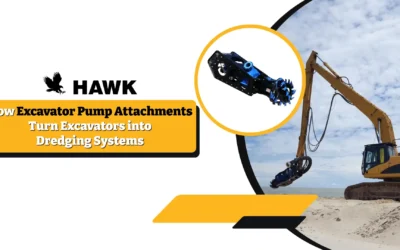
Excavator pump attachments turn standard excavators into dredging systems by using the machine’s hydraulic power to drive a submersible slurry pump....