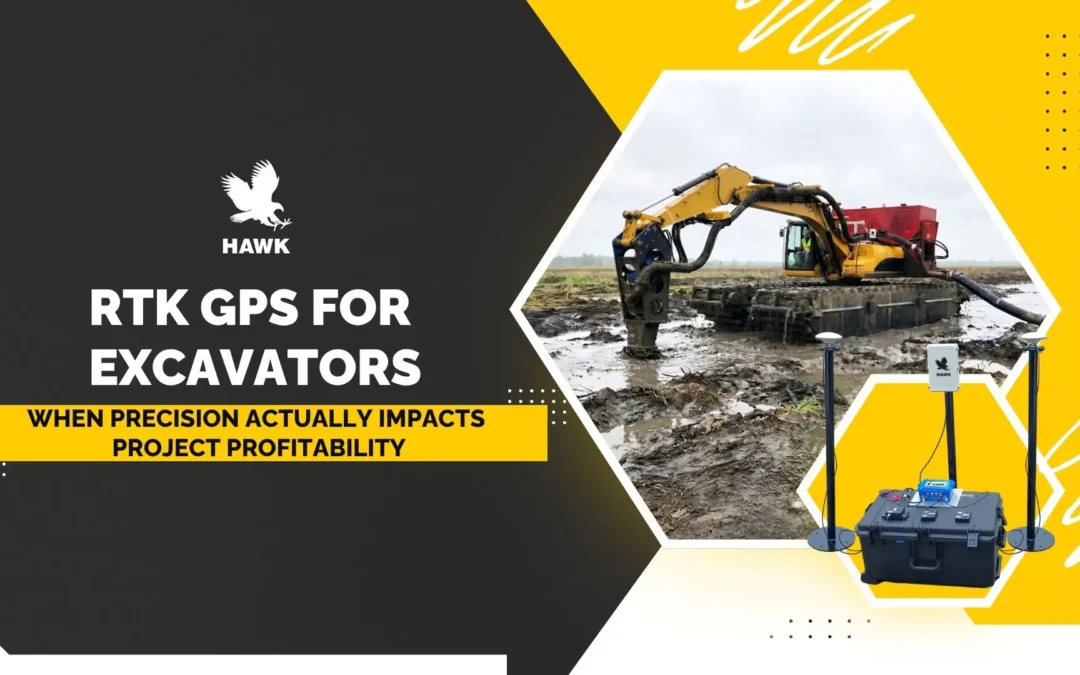
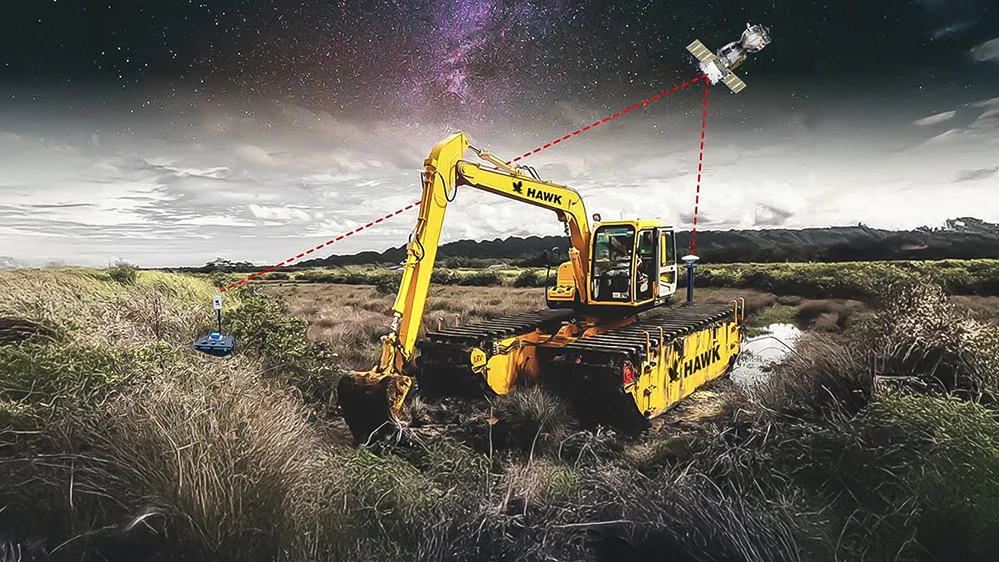
Does RTK GPS Guidance Actually Pay Off on Excavator Projects? Yes, when grade accuracy, dredging depth, rework, survey time, or underwater visibility directly affects the project outcome. RTK GPS guidance for excavators is most valuable when operators need real-time...
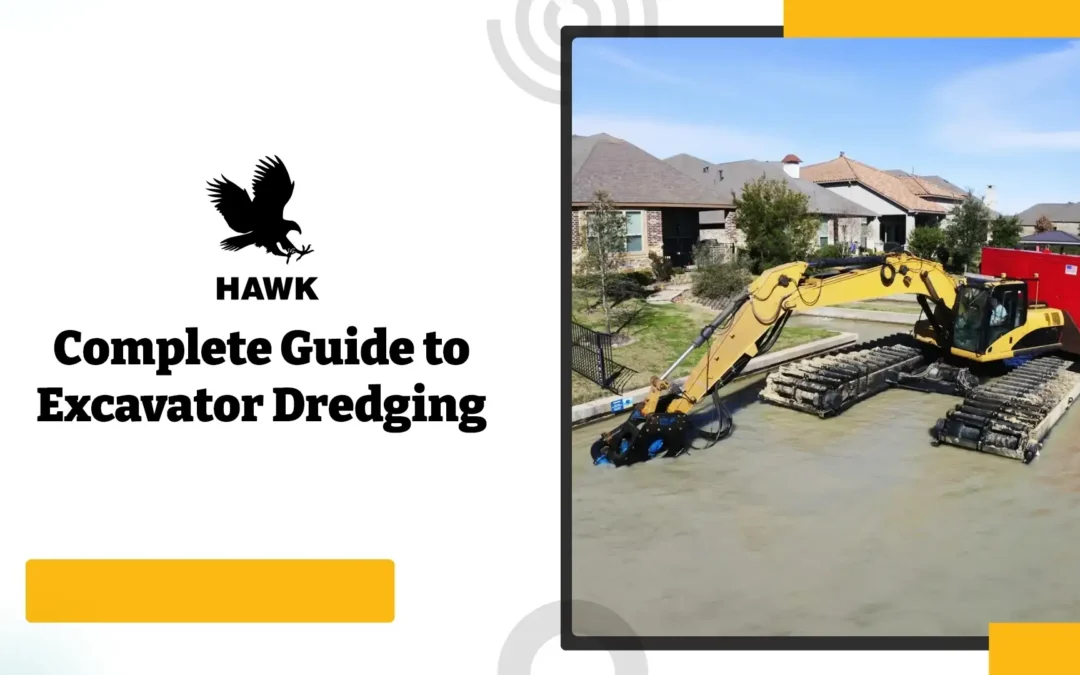
What Is Excavator Dredging? Excavator dredging is the process of using a hydraulic excavator equipped with a pump attachment to remove and transport submerged material as slurry. Instead of relying only on bucket excavation, this approach converts sediment into a...
Excavator pump attachments turn standard excavators into dredging systems by using the machine’s hydraulic power to drive a submersible slurry pump. Instead of only digging and relocating material, the excavator operates as an excavator dredge pump, positioning the...
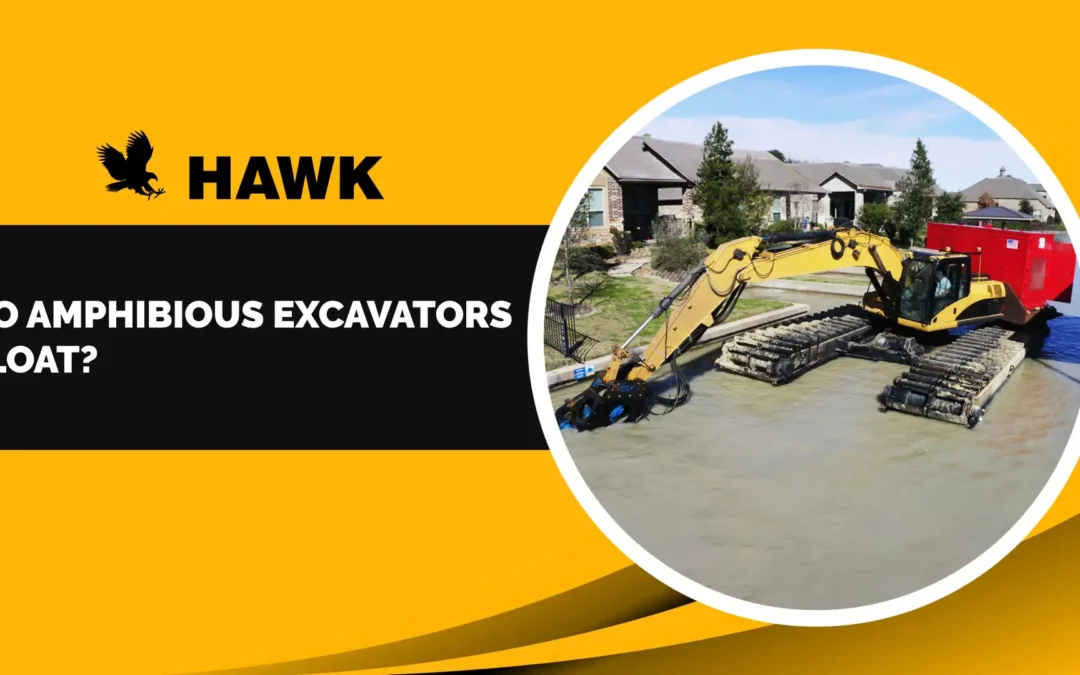
Yes – amphibious excavators can float, but not in the same way a boat operates in open water. These machines are built to work in wetlands, marshes, shallow water, and soft ground where a standard excavator would sink, lose traction, or become unsafe to operate....
On today’s jobsites, precision is no longer optional. Most delays, cost overruns, and rework issues do not result from equipment failures. They happen because operators are forced to work with incomplete or inaccurate positioning data. Machine control systems were...
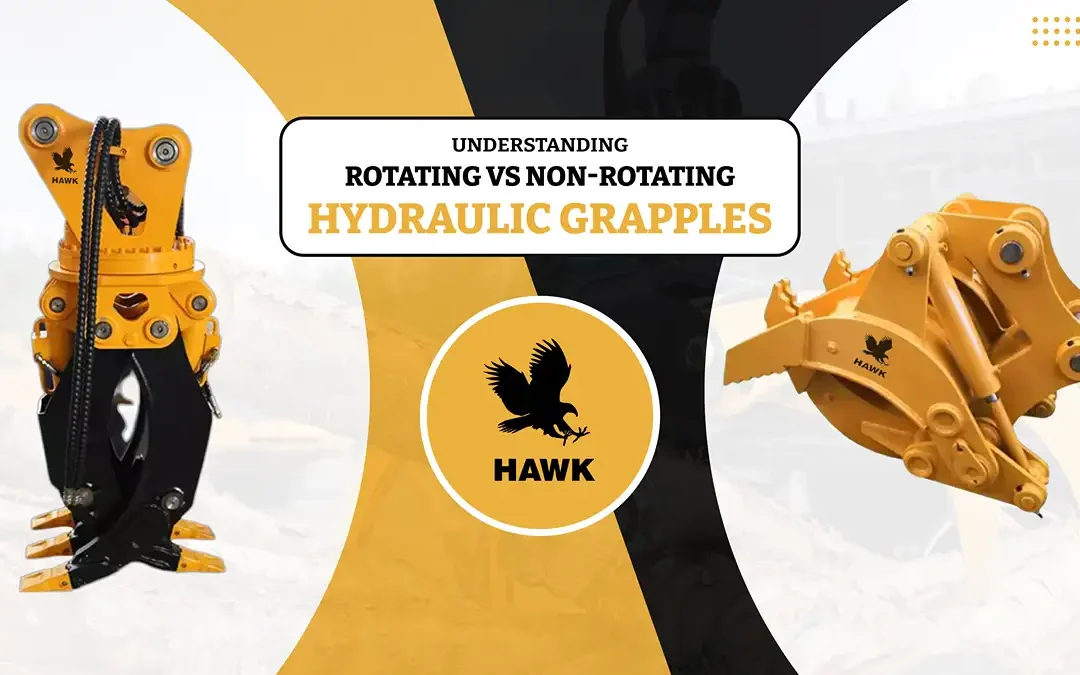
Hydraulic grapples change how you handle material on the jobsite. When you sort demolition waste, load scrap, clear land, or move logs, a grapple lets you work faster and with far more control than a standard bucket. You grip what you need, place it where it belongs,...