
Excavator Buckets
HAWK’s high quality excavator buckets are among the best for dredging and material re-handling. Our excavator buckets are available in wide variety of different versions, including crusher, rotary screening and clamshell buckets. HAWK’s premium excavator buckets are part of a high-end product lineup, featuring innovative design and advanced manufacturing to enhance productivity and reduce costs.
HAWK’s excavator buckets are engineered to match a wide range of excavator sizes and operating conditions, with designs optimized for dredging, material re-handling, and demanding jobsite environments. Bucket selection is guided by excavator operating weight, material type, and application requirements to ensure proper fit, balance, and performance. From high-wear materials to specialized handling needs, each bucket design is tailored to maximize productivity, reduce downtime, and deliver consistent results across construction, mining, and marine projects.
Get Pricing
Excavator Buckets

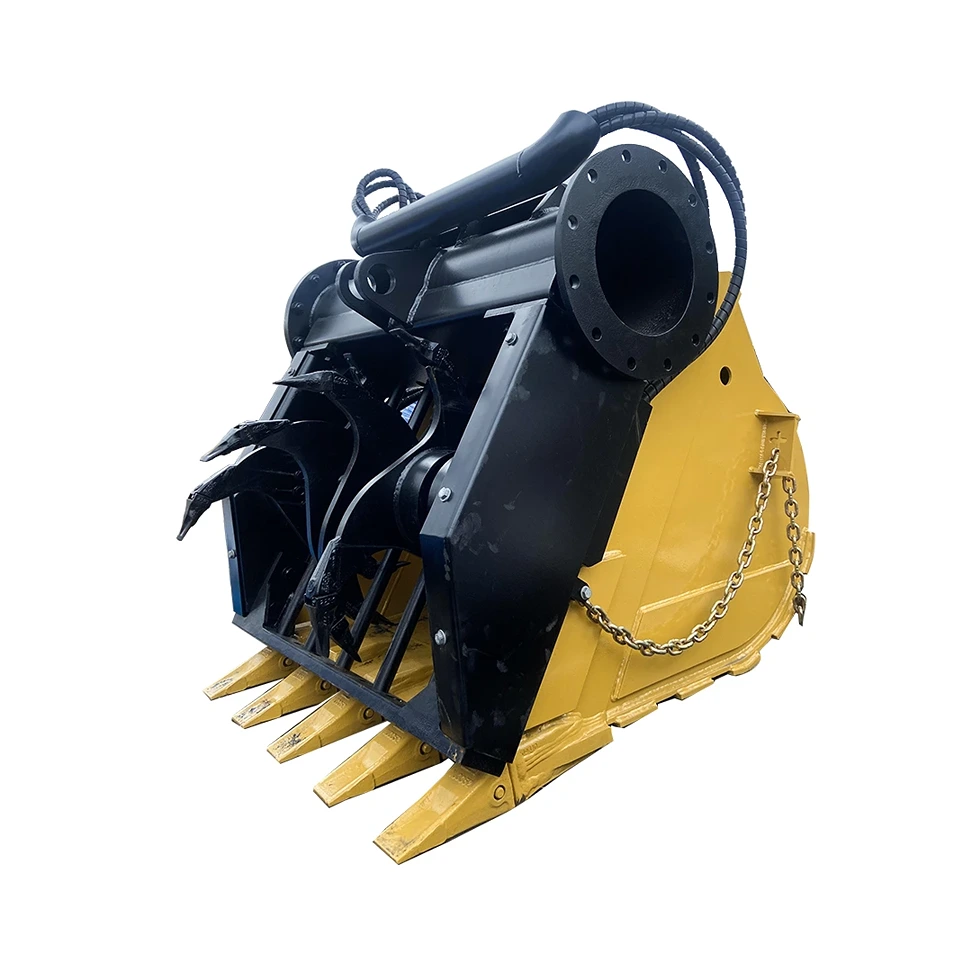
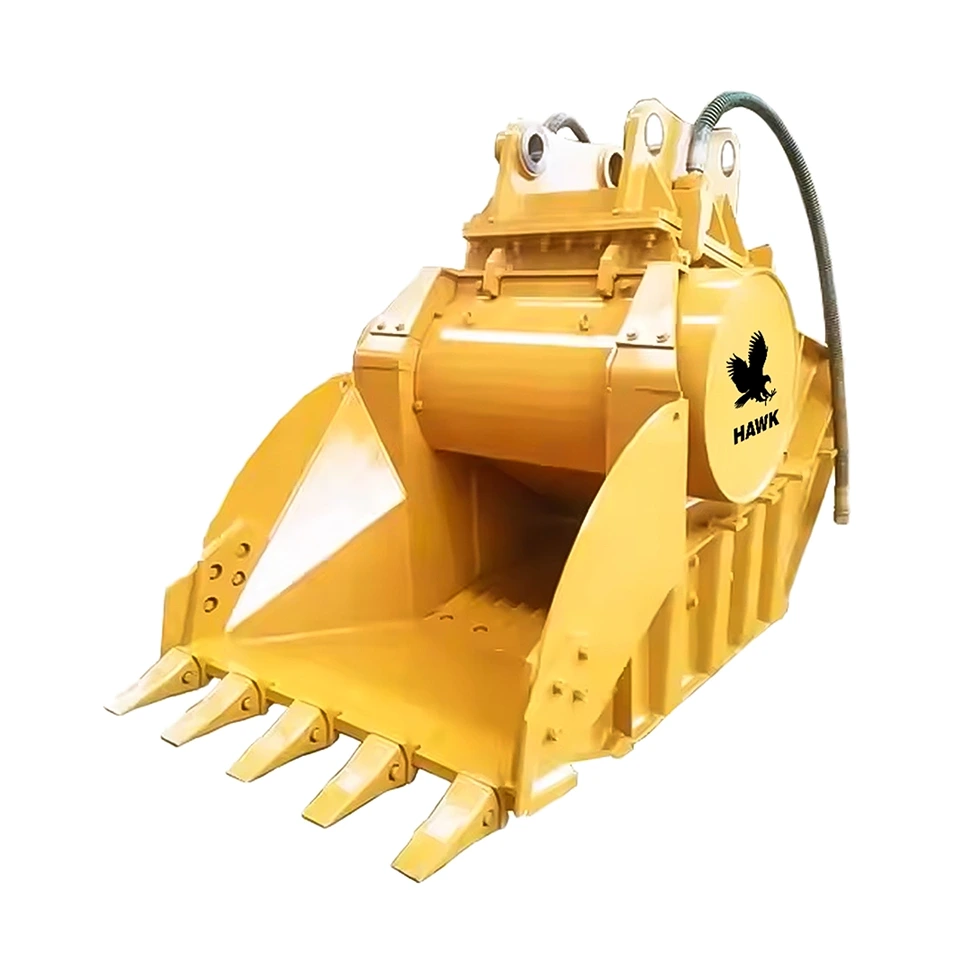
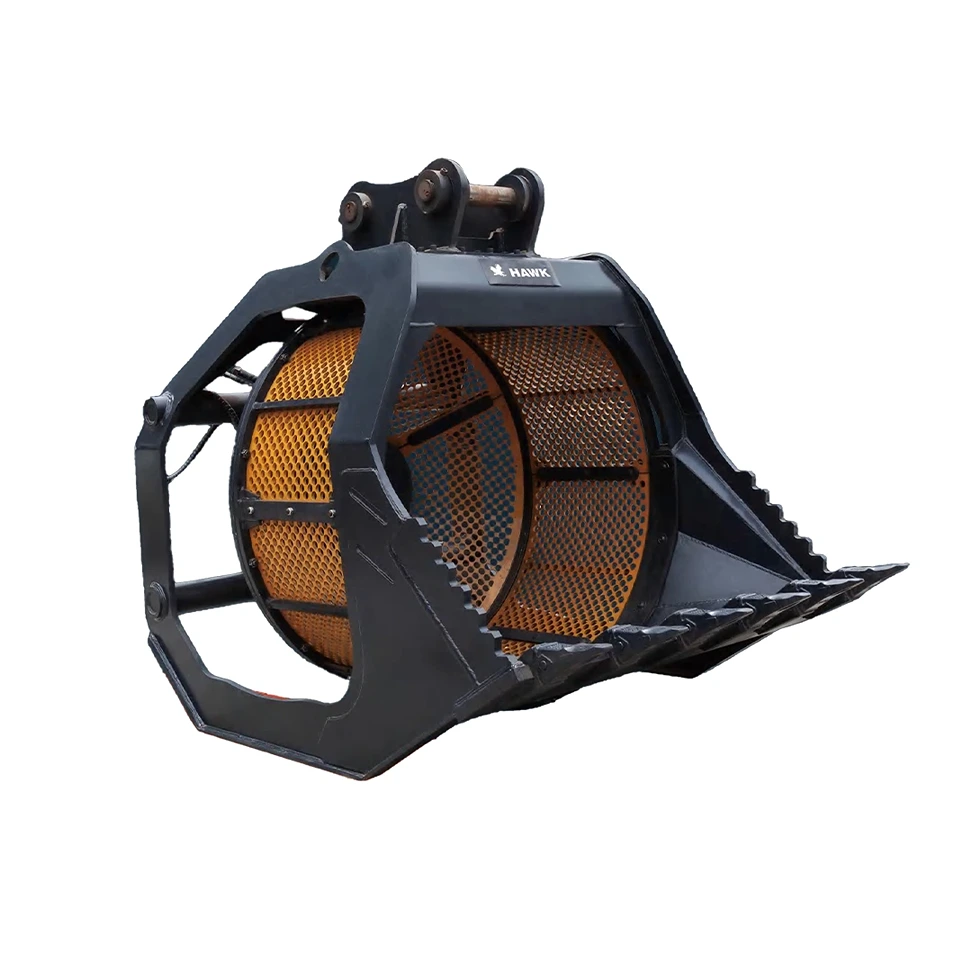
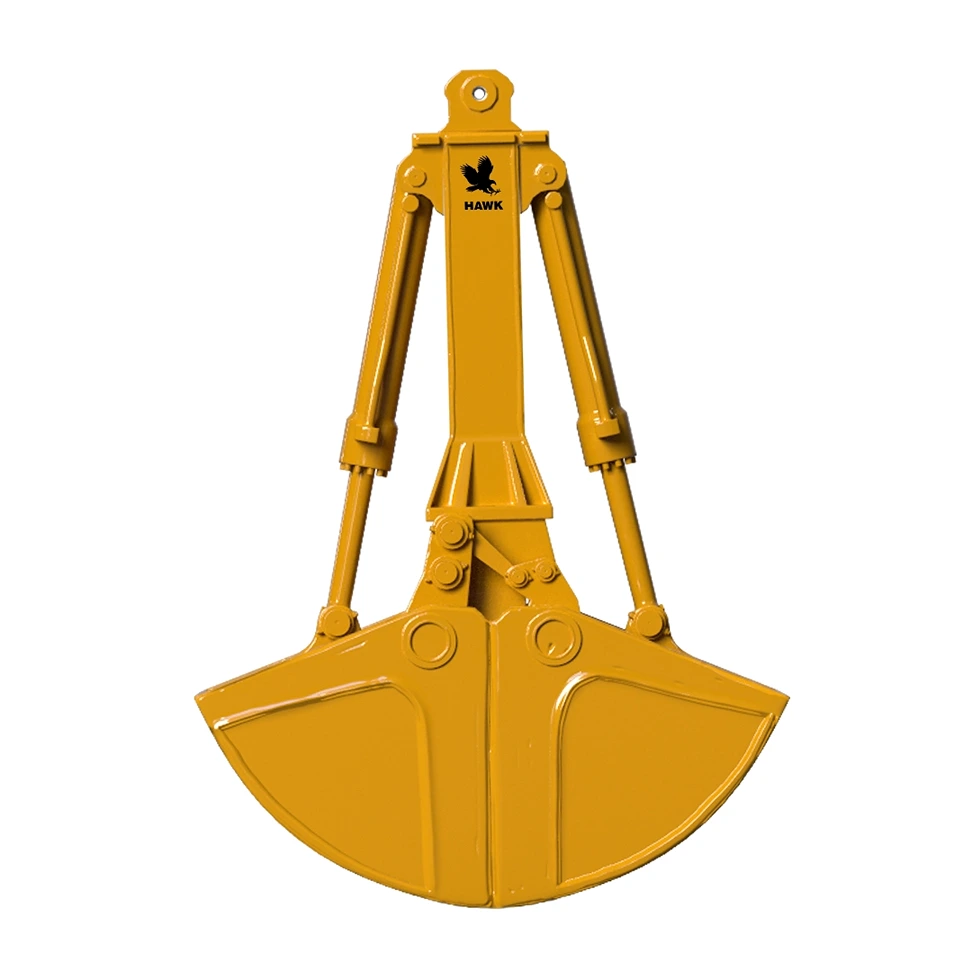
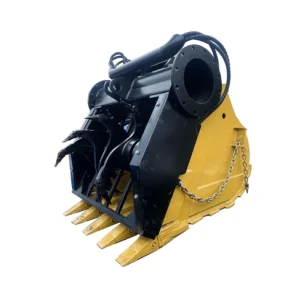
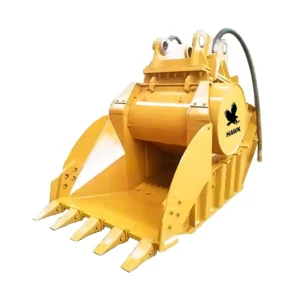
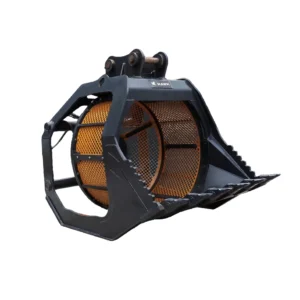
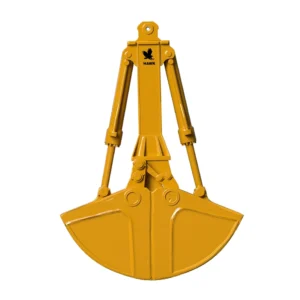
HAWK’s buckets are designed to handle the toughest conditions, highlighting their durability and performance in challenging environments.
Make your purchase with confidence—many of our excavator buckets are in stock and ready to ship.
HAWK’s buckets for excavators are known for their efficiency, functionality, and quality. The company can develop, design, and even manufacture mechanical and hydraulic clamshells for cranes and excavators. Customers can customize the machine attachment depending on its width, grip measure, capacity, and opening.
Excavator Range: 5 – 50 Tons
Capacity: 1.0 – 3.0m3
Recommended Application: commonly used in dredging, excavation, or material handling
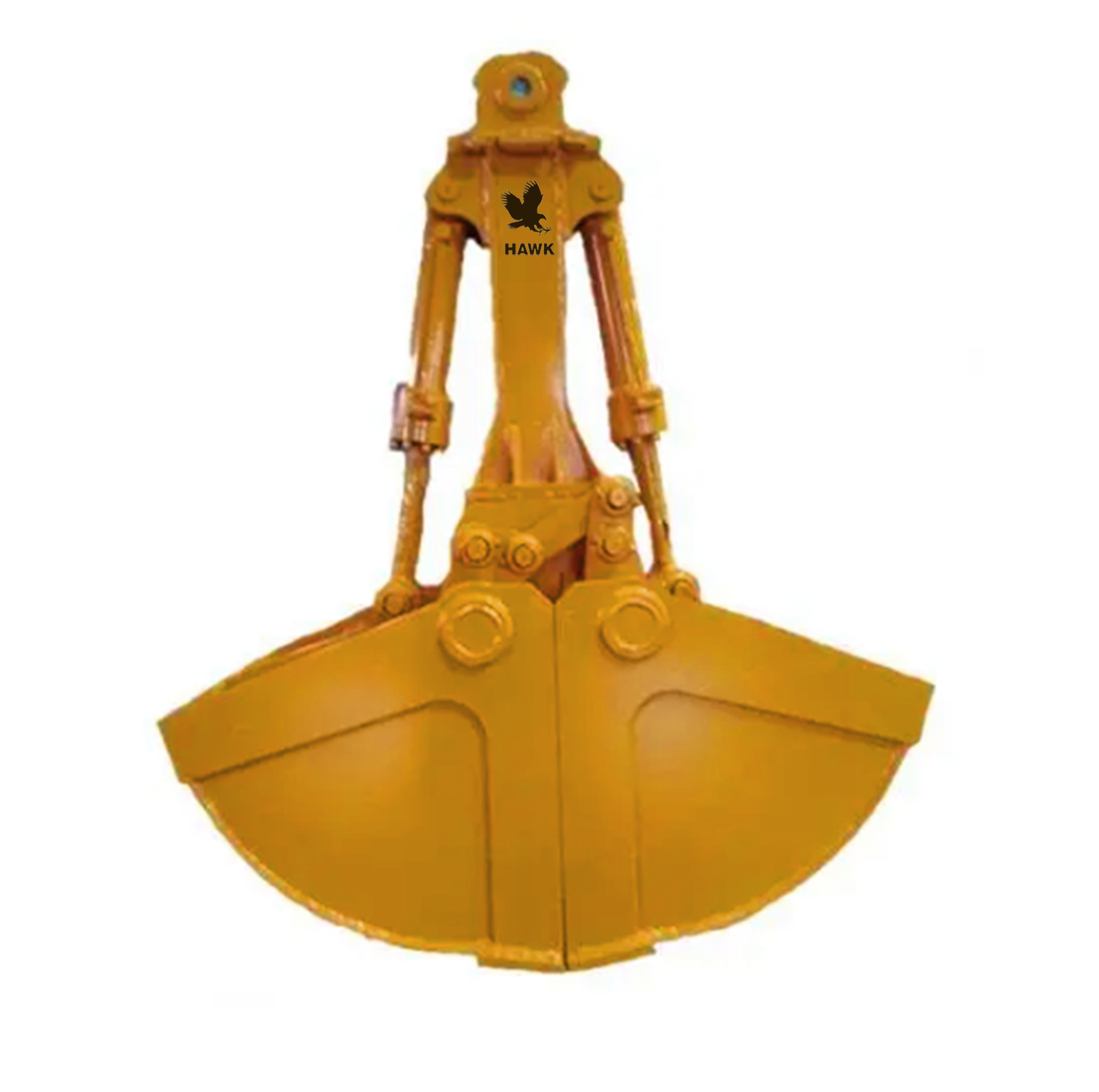
Clamshell Buckets
HAWK’s excavator clamshell buckets (also known as clam buckets) are the best choice for dredging and material re-handling. These buckets are available in two different versions: rotating and non-rotating. The rotating version features a 360-degree sealed hydraulic rotation for maximum efficiency. Hawk hydraulic clamshell buckets work with excavators from 5 to 39 tons, with a 62 to 86 inch opening and anywhere from 0.6-3m3 capacity. HAWK can also customize a new hydraulic clamshell bucket to fit any client-specified application and demand.
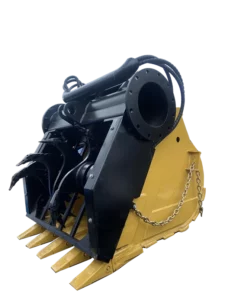
Self-Priming Excavator Pump & Bucket
The self-priming excavator pump and bucket is a specialized attachment designed for efficient pumping of slurry, sludge, and other high-solids materials directly from job sites. This system combines a robust bucket and an integrated EDDY pump, making it ideal for dredging, dewatering, and material transfer applications. The self-priming feature eliminates the need for manual priming, significantly reducing setup time. The pump is designed to handle highly abrasive materials and large solids, making it highly effective in harsh environments such as mining, dredging, and wastewater management.
Choosing the Right Excavator Bucket
Choosing the right excavator bucket is crucial for increasing productivity and efficiency in various applications. With a full range of excavator buckets available, selecting the correct one can be overwhelming. Here are some factors to consider when choosing the right excavator bucket:
Machine Size and Type: Ensure the excavator bucket is compatible with your machine’s size and type. Mini excavators, for example, require smaller buckets, while larger machines can handle larger buckets.
Application: Consider the type of material you’ll be working with. Digging buckets are ideal for heavy-duty digging, while grading buckets are better suited for precision grading and ditching.
Bucket Size: Search out a bucket size that matches your machine’s power and the type of material being dug. Larger buckets are suitable for loose, soft materials like sand, while smaller buckets are better for heavy materials like shot rock.
Bucket Type: Select a bucket type that suits your specific needs. Excavator buckets come in various types, including digging buckets, grading buckets, and tilt buckets.
By considering these factors, you can choose the right excavator bucket for your machine and application, increasing productivity and efficiency.

Benefits of Buckets
Versatility Across Applications: HAWK excavator buckets are designed to perform in a wide range of tasks, from general excavation and trenching to heavy-duty material handling and specialized applications like dredging or demolition. Whether you’re working in soft soil or breaking through rocky terrain, these buckets provide the right solution for your project needs.
Superior Durability and Strength: Engineered with high-strength, wear-resistant materials, HAWK buckets are built to endure the most demanding environments. Reinforced with heavy-duty side cutters, wear plates, and robust teeth, these buckets can withstand high-impact forces, abrasive conditions, and frequent usage without compromising performance or longevity.
Optimized Efficiency and Productivity: Designed for maximum digging power and material retention, HAWK buckets allow for faster excavation cycles. The buckets’ shape promotes efficient loading, while their enhanced penetration capabilities reduce digging resistance, helping operators complete jobs more quickly and with less fuel consumption.
Customizable for Your Needs: HAWK offers a variety of bucket types and sizes to fit different excavator models and applications, including general duty, heavy duty and options. Additionally, customization options are available, allowing you to tailor your bucket to meet the specific demands of your job site and materials.
Reduced Maintenance and Downtime: Thanks to their heavy-duty construction and abrasion-resistant features, HAWK buckets require minimal maintenance, reducing the risk of costly repairs or downtime. This durability ensures that your bucket will continue to perform reliably, even in harsh conditions, maximizing your excavator’s uptime and productivity.
Increased Return on Investment: By providing long-lasting durability and high performance, HAWK buckets offer excellent value over time. Their ability to withstand harsh conditions while maintaining efficiency ensures that your investment is protected, resulting in lower operational costs and higher project profitability.
Features of Buckets
High-Strength Construction: HAWK excavator buckets are made from premium-grade, abrasion-resistant steel designed to withstand heavy loads and tough working conditions. This high-strength construction ensures durability and a long service life, even in demanding environments.
Reinforced Wear Areas: Key wear areas, such as the bucket’s sides, cutting edges, and bottom, are reinforced with extra-thick wear plates or hardened steel to reduce wear and tear. This feature ensures the bucket can handle highly abrasive materials like rock, gravel, and compacted soils without suffering from premature damage.
Heavy-Duty Teeth and Side Cutters: Each bucket is equipped with robust teeth and reinforced side cutters to maximize digging efficiency. These elements enhance the bucket’s penetration capabilities, enabling faster digging cycles and improved material handling, even in dense or rocky soils.
Optimized Bucket Shape: HAWK buckets are designed with an optimal shape to ensure efficient loading and unloading of materials. The curvature and profile of the bucket allow for better material retention, reducing spillage and ensuring smooth operation during excavation.
Multiple Bucket Types and Sizes: HAWK offers a wide range of bucket options, including general duty and heavy duty models. These buckets are available in various sizes and configurations to suit different excavator models and project requirements, providing flexibility for different applications.
Customizable Options: For specialized applications, HAWK offers customization options, including enhanced wear protection, bucket sizing, and additional reinforcement features. This allows operators to tailor the bucket to their specific job site conditions and material handling needs.
All HAWK Excavator Buckets models are built for easy operation and compatibility with various attachments, making them ideal for a wide range of excavation, construction, and marine dredging projects.
Excavator Bucket Maintenance and Support
Regular maintenance is essential to extend the life of your excavator bucket and ensure optimal performance. Here are some maintenance tips and support options to consider:
Regular Inspections: Regularly inspect your excavator bucket for wear and tear, paying attention to the teeth, wear straps, and wear pads.
Replaceable Teeth: Replace teeth as needed to maintain optimal digging performance.
Wear Straps and Wear Pads: Replace wear straps and wear pads as needed to prevent damage to the bucket.
Bucket Cleaning: Regularly clean the bucket to prevent material buildup and maintain optimal performance.
Support and Repair: Contact our customer support team for assistance with maintenance, repair, or replacement of your excavator bucket.
By following these maintenance tips and seeking support when needed, you can ensure your excavator bucket continues to perform at its best, increasing productivity and reducing downtime.
Buckets Frequently Asked Questions
What types of excavator buckets does HAWK offer?
HAWK offers a wide range of excavator buckets, including general duty and heavy duty. These options are designed to handle different excavation tasks, from light digging and trenching to heavy material handling and rock excavation. Additionally, specialized buckets for dredging, dewatering, and pumping applications are available.
How do I choose the right bucket for my project?
The right bucket depends on your application, material type, and site conditions. For standard excavation, a general duty bucket may suffice. For more abrasive or demanding materials, such as compacted soil, rock, or gravel, a heavy duty bucket is recommended. Consider the type of material you’re working with and the environment when selecting a bucket.
Are HAWK excavator buckets compatible with my excavator?
Yes, HAWK excavator buckets are designed to be compatible with a wide range of excavator makes and models. They are engineered for easy attachment and efficient changeovers, helping improve productivity on the job site. Contact HAWK to confirm that the bucket you choose is the right fit for your specific machine and application.
Can I customize my HAWK excavator bucket?
Absolutely. HAWK offers customizable options to tailor your bucket to your specific job requirements. You can enhance wear protection, adjust the bucket size, or add additional reinforcements based on the materials you’re handling or the environment you’re working in.
What kind of maintenance is required for HAWK buckets?
HAWK excavator buckets are built for durability and require minimal maintenance. Regular inspections for wear on teeth, side cutters, and wear plates are recommended. Replacing worn components as needed can extend the life of your bucket and ensure optimal performance.
How do HAWK buckets differ from general duty buckets?
HAWK buckets are built for the most demanding excavation applications, including rock digging, demolition, and mining. They feature thicker wear plates, reinforced cutting edges, and heavy-duty side cutters to deliver maximum strength and long-term durability in harsh working conditions. General duty buckets, by comparison, are intended for lighter tasks such as digging in softer soils and standard trenching.
What is the lead time for ordering a HAWK excavator bucket?
Lead times may vary based on the type of bucket and any customizations you require. For standard buckets, the lead time is typically shorter, while custom orders may take additional time. Contact HAWK for specific information on lead times based on your order.
Are replacement parts available for HAWK buckets?
Yes, HAWK provides replacement teeth, side cutters, and wear plates to extend the service life of your excavator bucket. These parts are designed to fit HAWK buckets perfectly and help maintain their performance in the field.
Can HAWK buckets handle abrasive materials like rock and gravel?
Yes, HAWK heavy duty buckets are specifically engineered to handle abrasive materials like rock, gravel, and dense soils. They are built with wear-resistant steel and reinforced with additional protection in high-wear areas to ensure longevity in these tough conditions.
Other HAWK Products
Explore our fleet of heavy-duty excavator accessories for a range of construction, excavation, and dredging projects.
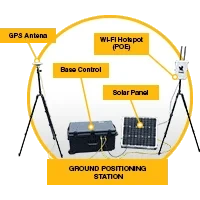
HAWK Vision
Attach the RTK GPS Positioning system to your excavator's bucket or other attachment to always know where the bucket is under the waterline. Prevent over and under dredging.
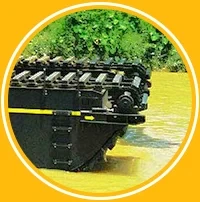
Amphibious Undercarriage
Complete amphibious undercarriage allowing you to convert your existing excavator into a swamp dredger capable of even more production in harsh areas.
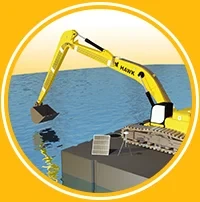
Sectional Barges
Fully modular barges ready for quick assembly at the job site. Can hold an excavator and long stick for the extended reach your excavation needs.