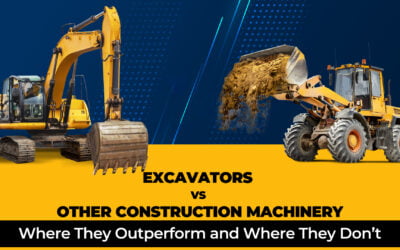
Construction Excavators vs. Other Machinery: Where They Outperform and Where They Don’t
Choosing the right equipment is critical to the success of any construction project. While construction excavators are widely used for their...


Efficiency, precision, and versatility are paramount in modern construction and demolition, and the excavator rotating grapple has emerged as a transformative tool, revolutionizing traditional practices with its exceptional functionality. Adding a rotating grapple attachment to your equipment enhances efficiency, expands capabilities, and sets your operations apart from others. This versatile attachment offers 360-degree rotation, enabling precise handling of materials, even in tight spaces, and enhances the performance of standard and mini excavators, making it indispensable for various projects.
Modern excavation tools like the rotating grapple improve safety and productivity, reducing manual labor and operational costs and providing a significant advantage over traditional methods at a reasonable shipped price. Mini grapple attachments offer an option with similar benefits on a smaller scale, which is ideal for urban construction and landscaping. By utilizing a rotating grapple, companies can set themselves apart from competitors and establish a new standard of efficiency and productivity in their field.
This blog will explore the excavator rotating grapple’s design, operation, applications, and benefits for all excavators, including John Deere, Caterpillar, Bobcat and others. There is a wide range of grapple products (including log and stone grapple) available for different excavator brands, ensuring the right solution for every case. We offer a comprehensive guide to mastering its use (with and without a thumb) and discovering how this innovative tool can elevate your excavation and demolition projects to new heights of efficiency and success.
Efficiency, precision, and versatility are paramount in modern construction and demolition, and the excavator rotating grapple has emerged as a transformative tool, revolutionizing traditional practices with its exceptional functionality. Adding a rotating grapple attachment to your equipment enhances efficiency, expands capabilities, and sets your operations apart from others. This versatile attachment offers 360-degree rotation, enabling precise handling of materials, even in tight spaces, and enhances the performance of standard and mini excavators, making it indispensable for various projects.
Modern excavation tools like the rotating grapple improve safety and productivity, reducing manual labor and operational costs and providing a significant advantage over traditional methods at a reasonable shipped price. Mini grapple attachments offer an option with similar benefits on a smaller scale, which is ideal for urban construction and landscaping. By utilizing a rotating grapple, companies can set themselves apart from competitors and establish a new standard of efficiency and productivity in their field.
This blog will explore the excavator rotating grapple’s design, operation, applications, and benefits for all excavators, including John Deere, Caterpillar, Bobcat and others. There is a wide range of grapple products (including log and stone grapple) available for different excavator brands, ensuring the right solution for every case. We offer a comprehensive guide to mastering its use (with and without a thumb) and discovering how this innovative tool can elevate your excavation and demolition projects to new heights of efficiency and success.

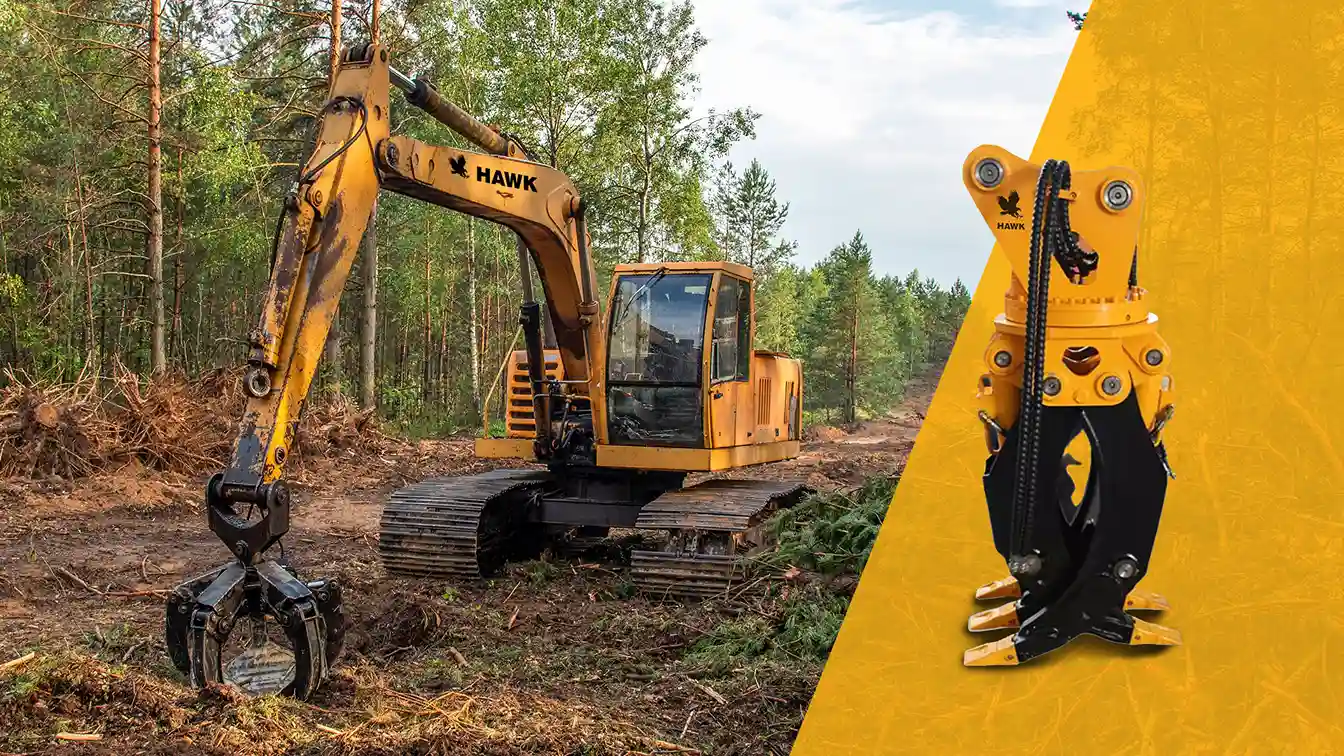
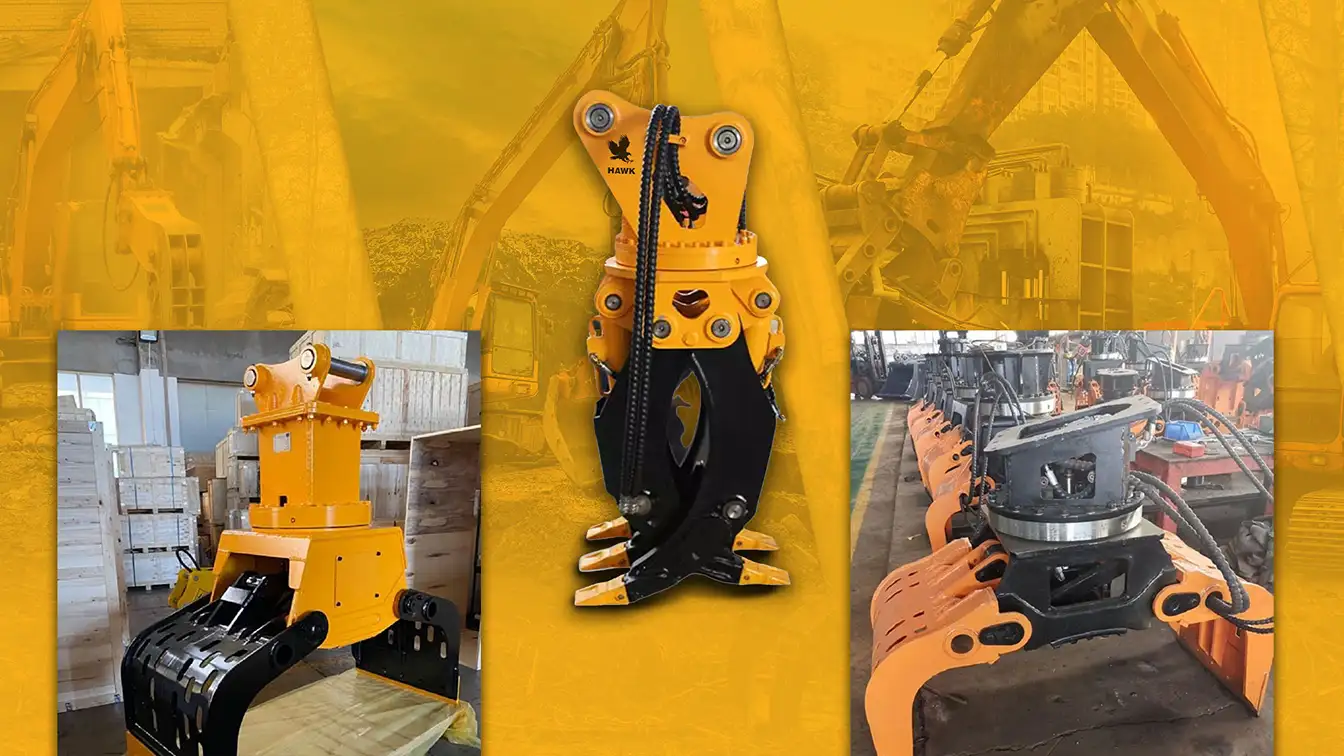
It is a powerful attachment designed to enhance excavators’ versatility and efficiency. It features a robust gripping mechanism that can rotate 360 degrees, allowing machine operators to handle and position materials precisely. This attachment is commonly used in various industries, including construction, demolition, landscaping, and waste management, for sorting, loading, and handling bulky materials. Rotating grapples are designed to suit a variety of excavator models, ensuring optimal performance and compatibility.
The excavator grapple is equipped with several vital components that work together to deliver optimal performance:
Rotating Mechanism: The centerpiece of the grapple, the rotating mechanism enables continuous 360-degree movement. This allows operators to maneuver materials without repositioning the excavator, saving time and increasing efficiency.
Hydraulic Cylinders: These provide the force to open and close the grapple’s jaws, ensuring a firm grip on materials. The hydraulic system is powered by the excavator’s hydraulic lines, making it easy to integrate with existing equipment. Hydraulics enable efficient operation and enhance the grapple’s performance, resulting in faster cycle times and increased productivity.
Grapple Jaws: The jaws are designed to securely hold various materials, from large rocks and logs to construction debris. The end of the jaws can be equipped with a sharp edge for more precision. They are typically constructed from high-strength steel to withstand heavy loads and harsh working conditions.
Mounting System: This component allows the grapple to be attached to the excavator’s boom. The mounting system must be compatible with the excavator’s specific model, whether standard or mini excavator.
Control System: Operators use the excavator’s existing controls to control the rotating grapple. Advanced models may offer additional features like variable speed rotation and programmable presets for specific tasks. Operators can also adjust the gripping force to safely handle delicate or fragile materials.
The excavator grapple offers numerous advantages that make it an invaluable tool in excavation projects:
Enhanced Versatility: The ability to rotate 360 degrees allows for precise material positioning, improving accuracy and reducing the need for manual adjustments. This is particularly beneficial in confined spaces where maneuverability is limited.
Increased Efficiency: They streamline material handling tasks, reducing the time and effort required for loading, sorting, and moving materials. This leads to faster project completion and lower labor costs.
Improved Safety: They enhance job site safety by minimizing the need for manual handling of heavy or hazardous materials. Operators can perform tasks from the excavator’s cab, reducing the risk of injury.
Versatile Applications: Whether attached to a standard or mini excavator, they can handle a wide range of materials, including timber, scrap metal, debris, and rocks. This versatility makes it suitable for various projects, from demolition to landscaping.
Durability: Constructed from high-quality materials, they are built to withstand the rigors of heavy-duty use. Its robust design ensures long-lasting performance, providing a reliable solution for demanding excavation tasks. The choice of materials and build quality matter because they directly impact the grapple’s year by year long-term reliability and effectiveness in tough working conditions.
Cost-Effective: Enhancing the capabilities of existing excavators eliminates the need for additional specialized equipment. This cost-effective solution maximizes the utility of your machinery, offering a high return on investment.
Features:
Best Uses:
Capabilities:
Applications:
Advantages:
Versatility:
These versatile attachments enhance excavators’ capabilities, allowing for precise handling and placement of materials. The 360-degree rotation feature enables operators to maneuver building materials, debris, and heavy objects efficiently, reducing the need for manual labor and increasing overall productivity.
Applications:
Mini Rotating Grapple:
The excavator grapple is an indispensable tool for managing logs and clearing land in the forestry industry. Its robust design and powerful gripping ability make it perfect for handling large, heavy timber and debris. The 360-degree rotation facilitates the efficient sorting and stacking of logs, enhancing operational efficiency in logging and land-clearing operations.
Applications:
Mini Rotating Grapple:
These attachments streamline the sorting, handling, and transportation of recyclable materials and waste, improving efficiency and reducing labor costs. The 360-degree rotation allows easy access to materials, making the sorting process more efficient and effective.
Applications:
Mini Rotating Grapple:
The excavator grapple is a vital tool in demolition and site preparation. Its strength and versatility allow for efficient structure dismantling and debris handling. The grapple’s rotating capability provides precise control, enabling operators to pick apart structures piece by piece and sort recyclable materials on-site.
Applications:
Mini Rotating Grapple:

Here are some of the most important factors to consider while choosing the best and optimal rotating grapple:
Selecting an excavator grapple size is crucial for ensuring optimal performance. The grapple size should match the scale of your excavator and the scope of your current and previous projects. A mini rotating grapple is ideal for mini excavators due to its compact size and lighter weight, ensuring it does not overburden the machine.
Weight Capacity:
Another critical factor is the rotating grapple’s weight capacity. Ensure the grapple can handle the maximum Load it will encounter during operations. Exceeding the weight capacity can lead to equipment failure and unsafe working conditions. Check the manufacturer’s specifications to find a grapple that matches your excavator’s lifting capabilities.
Material Compatibility:
Different grapples are designed to handle various materials. Consider the type of materials you will be handling—construction debris, timber, scrap metal, or waste. Ensure that the grapple you choose is constructed from materials that can withstand your applications’ specific wear and tear. High-strength steel and other durable materials are often preferred for heavy-duty tasks.
When comparing different brands and models of grapples, consider the following:
Durability:
Look for brands known for manufacturing high-quality, durable grapples. How and where the grapple is manufactured—such as being engineered and built in Sweden using premium materials—can significantly impact its quality and longevity. Check for reviews and testimonials from other users to gauge long-term performance and reliability.
Features:
Compare features such as rotation capability, jaw design, and ease of maintenance. Some brands offer advanced features like variable speed rotation or interchangeable jaws, which can enhance versatility.
Cost:
Evaluate the cost relative to the features and durability offered. Consider the total cost of ownership, including maintenance and potential downtime.
Warranty and Support:
Ensure that the brand offers a comprehensive warranty and reliable customer support. Good after-sales service can be crucial for resolving any issues quickly and minimizing downtime.
Match to Excavator Type:
Project Needs:
For Standard Excavators:
For Mini Excavators:
For Skid Steers:
By following these maintenance tips, you can maximize uptime and productivity, ensuring your equipment remains reliable and operational with minimal interruptions.
Poor Rotation:
Jaws Not Closing or Opening Properly:
Excessive Wear and Tear:
Loose Bolts and Fasteners:
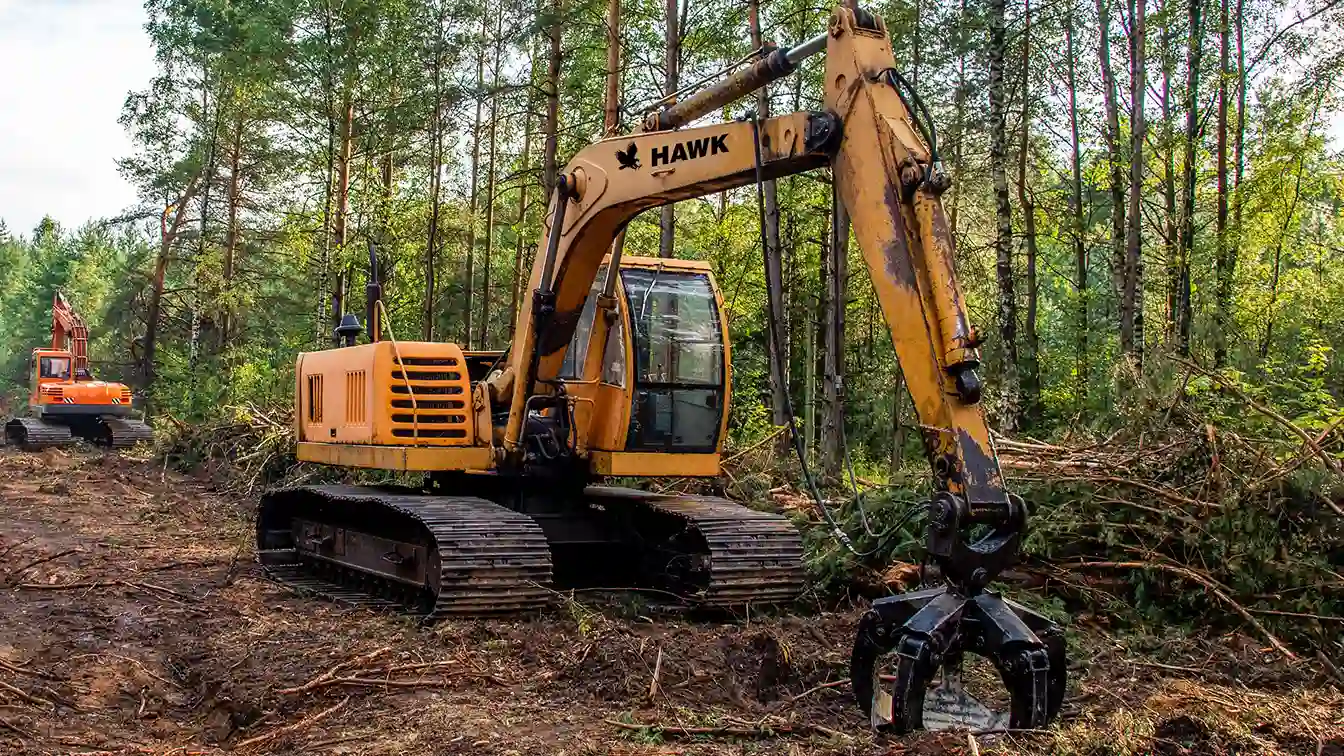
Operating an excavator grapple requires strict adherence to safety protocols to prevent accidents and ensure a safe working environment. Here are essential safety measures to follow:
Pre-Operation Checks:
Inspect Equipment: Before use, thoroughly inspect the grapple for any signs of wear, damage, or leaks. Ensure all hydraulic connections are secure.
Check Hydraulic Systems: Verify that hydraulic fluid levels are adequate and there are no leaks in the system.
Test Movements: Perform a test run of the grapple’s rotation and jaw movement to ensure it operates smoothly.
Safe Operation Practices:
Follow Load Limits: Do not exceed the grapple’s specified weight capacity. Overloading can cause equipment failure and pose significant safety risks.
Secure Load Properly: Ensure the grapple securely grips materials before lifting or moving them.
Maintain Visibility: To maintain good visibility and prevent accidents, keep the operating area clear of unnecessary personnel and obstacles.
Use Proper Signals: Communicate clearly with ground personnel using standard hand signals or communication devices to coordinate movements safely.
Avoid Swing Hazards: Be mindful of the grapple’s rotation to avoid hitting nearby structures or personnel.
Personal Protective Equipment (PPE):
Wear Safety Gear: Operators and ground personnel should wear appropriate PPE, including hard hats, safety glasses, gloves, and steel-toed boots.
Hearing Protection: In noisy environments, use hearing protection to safeguard against hearing damage.
Proper training and certification are essential for safely operating a rotating grapple. Operators should be well-versed in the grapple’s functionalities and safety protocols.
Training Programs:
Comprehensive Training: Enroll operators in extensive training programs covering operation, maintenance, and safety.
Hands-On Experience: Ensure the training includes practical, hands-on experience with the equipment under supervised conditions.
Certification:
Certified Operators: Operators should obtain certification from recognized training institutions. Certification ensures that the operator has met the required competency standards.
Regular Re-Certification: Encourage operators to undergo regular re-certification to stay updated with the latest safety practices and operational techniques.
Ongoing Education:
Safety Workshops: Participate in safety workshops and seminars to keep abreast of new safety regulations and best practices.
Refresher Courses: Provide refresher courses regularly to reinforce safe operating procedures and update operators on any new features or changes in the equipment.
If you have any questions about training, certification, or the safe operation of rotating grapples, please feel free to contact us.
Regular safety audits are crucial to maintaining a safe working environment and ensuring all safety protocols are followed correctly.
Routine Inspections:
Scheduled Audits: Implement a schedule for routine safety audits to inspect the condition of the grapples and associated machinery.
Check Compliance: Ensure compliance with all safety standards and manufacturer guidelines during these audits.
Identify Hazards:
Risk Assessment: Conduct thorough risk assessments to identify hazards associated with grapples.
Implement Mitigations: Develop and implement strategies to mitigate identified risks and improve safety measures.
Documentation and Reporting:
Maintain Records: Keep detailed records of all safety audits, including findings and corrective actions.
Incident Reporting: Establish a straightforward process for reporting and documenting incidents or near misses. Analyzing these reports can help prevent future occurrences.
Continuous Improvement:
Feedback Loop: Create a feedback loop where operators and safety personnel can provide input on safety procedures. Use this feedback to improve safety protocols continuously.
Safety Culture: Foster a culture of safety where all employees are encouraged to prioritize safety and report unsafe conditions without fear of reprisal.

In conclusion, excavator grapples, particularly those offered by HAWK Excavator, have revolutionized material handling in construction, demolition, forestry, recycling, and waste management. Their 360-degree rotation, robust gripping power, and versatility enhance efficiency, safety, and productivity. Selecting the right grapple from the HAWK Excavator is crucial, considering size, weight capacity, and material compatibility. Proper installation, routine maintenance, and strict safety protocols are essential for optimal performance and reliability.
The future potential of HAWK Excavator’s rotating grapples is immense, with anticipated advancements such as enhanced automation, improved materials, and more intelligent controls further elevating their capabilities. The integration of IoT and innovative technologies will offer unprecedented precision and control, enabling operators to perform complex tasks with greater ease and safety. By choosing the right grapple, maintaining it properly, and prioritizing safety, operators can fully harness the potential of HAWK Excavator grapples, driving success and efficiency in their operations.
Get in touch with us now!
Choosing the right equipment is critical to the success of any construction project. While construction excavators are widely used for their...

Excavators have long been the backbone of earthmoving operations, valued for their digging precision, reach, and raw lifting power. But in today’s...

When it comes to keeping excavation projects on schedule, having the right parts for the right equipment is non-negotiable. For procurement teams...