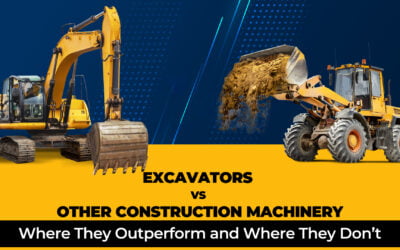
Construction Excavators vs. Other Machinery: Where They Outperform and Where They Don’t
Choosing the right equipment is critical to the success of any construction project. While construction excavators are widely used for their...


Excavator jack hammers are indispensable tools for heavy industries. They provide the power and efficiency needed to tackle some of the toughest jobs. This powerful attachment, also known as a hydraulic hammer, excavator breaker hammer, hydraulic breaker, or hydraulic hammer breaker, is designed to break through concrete, rock, and other hard materials for easy loading, making them essential for construction, demolition, and mining projects. The hydraulic hammer breaker is especially noted for its robustness and versatility, making it a reliable choice for demanding tasks. Hammer attachments are one of the most versatile and popular tools for backhoe loaders, skid steer loaders and excavators on the job site.
In heavy machinery, excavator jack hammer attachments stand out due to their ability to transform an excavator or mini excavator into a versatile tool capable of performing a wide range of tasks. Hydraulic hammers are designed to be mounted on various carriers, including different types of excavators and machinery, ensuring compatibility and flexibility for diverse job requirements. Their significance lies in their ability to efficiently and effectively break down solid materials, a critical part of various industrial jobs. These attachments are highly valued for their utility in construction, demolition, and utility projects, including bridge repairs, rental yards, and essential infrastructure work. Whether constructing a new building, demolishing an old structure, or extracting rocks from a quarry or minerals from the earth, the proper excavator jack hammer can significantly enhance productivity and safety.
The market offers a variety of excavator jack hammers, each designed to meet specific needs, excavator type (including mini excavator, skid steer and backhoe loaders) and challenges matching hydraulic capacity. Excavator breaker and excavator breaker hammer attachments are also available as versatile options for mini excavators, suitable for applications such as concrete breaking, rock chipping, and post driving. Choosing the compatible, correct tool diameter (such as a 32 inch chisel) for the energy class and operating weight of your excavators (from approximately 110 lbs to over 22,000 lbs) will ensure optimal performance, safety, and efficiency. Factors such as the nature of the material to be broken, the working environment, and the specific requirements of the task at hand all play a role in determining the most suitable type of jack hammer. Having the right equipment is crucial for achieving desirable results and maximizing uptime on tough job sites. Please note that the availability of certain models or types may be subject to availability, which could affect purchasing decisions or project planning.
This blog will focus on the top five types of excavator jack hammer attachments, highlighting their features, applications, and real-world examples to help you make an informed decision. By understanding each type’s distinct advantages and ideal use cases, you can select the best tool to meet your project’s demands, making short work of difficult jobs and ensuring you can support your crew no matter the project.

Excavator jack hammers have become essential attachments for excavators and skid steer loaders on modern construction sites. Originally introduced over sixty years ago, with the first serially manufactured rock breaker—the Krupp HM 400—making its debut in 1967, these tools have revolutionized the way operators tackle tough materials. Today’s hydraulic breakers are engineered to efficiently break through concrete, rock, and asphalt, making them indispensable for demolition, deconstruction, primary and secondary rock breaking, trenching, foundation work, and asphalt cutting.
The evolution of hydraulic hammers has brought about a range of advanced features designed to enhance both operator comfort and equipment longevity. Modern models may include self-lubricating systems, sound and vibration damped systems, automatic rock hardness adjusting systems, energy recovery, and solid body concepts. These innovations not only improve performance and efficiency but also help reduce wear and tear on both the breaker and the carrier machine. Whether mounted on a skid steer or a full-size excavator, these hammers deliver the power and versatility needed to handle a wide range of jobs, from breaking up old pavement to excavating rock in challenging environments. As a result, hydraulic breakers remain a cornerstone of efficient, high-performance equipment fleets across the construction and demolition industries.

Excavator hydraulic hammers are among the most powerful and commonly used excavator jack hammers. They use hydraulic pressure to drive a piston, delivering powerful blows to break through hard materials like rock and concrete. Their robust design and high-impact energy suit the most demanding tasks at the job site.
In a construction project, an excavator with a hydraulic hammer attachment breaks through a concrete foundation to prepare the site for new development. This application showcases the excavator hammer attachment’s power and efficiency in handling rigid materials, significantly reducing the time and effort required to clear the site.
Pneumatic breakers, also known as air hammers, use compressed air to deliver blows and can be mounted on a mini excavator. They are generally lighter and easier to handle than hydraulic breakers, making them suitable for tasks requiring precision and maneuverability.
In an urban demolition project, an excavator with a pneumatic hammer attachment carefully removes concrete from a confined space, demonstrating its effectiveness in environments where larger breakers would be impractical. The pneumatic breaker’s lightweight and precise nature makes it ideal for detailed demolition work in crowded urban settings.
Silenced breakers are designed to minimize noise pollution, making the excavator hammer attachment ideal for tasks such as asphalt cutting in urban areas and other noise-sensitive environments. These breakers incorporate soundproofing technology to reduce the noise generated during operation, enhancing operator comfort and reducing environmental impact.
An example of an excavator hydraulic hammer used in city demolition illustrates the benefits of silenced breakers. The reduced noise levels help minimize disruptions in densely populated areas, showcasing the breaker’s suitability for urban projects. The silenced breaker allows for efficient demolition while adhering to noise regulations, making it a valuable tool for urban construction and renovation.

Underwater breakers are specially designed to operate in submerged conditions and are compatible with various machinery, including backhoe loaders. They are modified to prevent water ingress and maintain functionality underwater, making them essential for marine construction and underwater demolition projects.
In underwater pipeline maintenance, an excavator with an underwater hammer attachment breaks up rock formations obstructing the pipeline. This application highlights the breaker’s capability to perform in challenging underwater environments, ensuring the smooth operation of underwater construction and maintenance tasks.
Vibratory breakers utilize vibration to break materials, making them practical for breaking large volumes of concrete or asphalt. The vibration technology enhances the breaker’s efficiency, allowing it to handle extensive demolition tasks easily.
During a highway expansion project, an excavator with a vibratory hammer attachment breaks up the existing asphalt. This example demonstrates the breaker’s efficiency in handling extensive demolition tasks, ensuring the quick and effective preparation of the site for new construction.
Operating a hydraulic breaker or excavator jack hammer safely is crucial for achieving maximum efficiency and protecting both the operator and the equipment. Before starting any job, it’s essential to consult the equipment manual or specification sheet to ensure the breaker and chisel are properly matched to your mini excavator or excavator’s rating. Using the right equipment for the job not only enhances performance but also reduces the risk of damage or accidents.
When attaching a breaker to your machine, always verify that your excavator or mini excavator meets the necessary operating capacity and specifications for the chosen attachment. Never use a breaker hammer in water unless it is specifically equipped with a water seal kit, as improper use can lead to equipment failure or safety hazards. Regular maintenance checks are vital—inspect the attachment for signs of wear, ensure all bolts and pins are secure, and confirm that hydraulic connections are leak-free.
Operators should also be mindful of the vibration and sound produced during operation. Prolonged exposure can impact both comfort and safety, so it’s important to use appropriate personal protective equipment and take regular breaks as needed. By following these safety precautions and operating guidelines, you can ensure your hydraulic breaker delivers reliable performance and efficiency on every job.
Keeping your hydraulic breakers in top condition is key to ensuring maximum efficiency and extending the life of your equipment. Regular maintenance not only helps maintain the powerful force needed for tough jobs but also reduces the risk of unexpected downtime. Many modern hydraulic breakers are designed with easy maintenance in mind, featuring quick change systems that allow for fast replacement of wear parts and accessories, minimizing service interruptions.
To get the best performance from your breaker, always follow the manufacturer’s maintenance guidelines. This includes routine lubrication, inspecting hoses for leaks or damage, and replacing worn pins and bushings as needed. Proper storage and careful handling of both the breaker and its accessories can prevent unnecessary wear and help maintain durability. Regularly checking the hammer’s components ensures that any potential issues are caught early, keeping your equipment running efficiently and safely. By prioritizing maintenance, you’ll ensure your hydraulic breaker continues to deliver the reliable, efficient performance you need on every job site.

When using hydraulic breakers and excavator jack hammers, it’s important to be aware of the environmental and regulatory requirements that may apply to your job site. These powerful hammers can generate significant vibration, noise, and dust, which can impact the surrounding environment and nearby communities. Operators must ensure their equipment is used efficiently and in compliance with all local regulations, especially in sensitive areas such as quarries, mines, or locations with fragile ecosystems.
In addition to managing noise and vibration, it’s crucial to take precautions to avoid damaging underground utilities, pavements, or nearby buildings. This may involve conducting site surveys, using protective barriers, or adjusting work schedules to minimize disruption. By staying informed about the regulations that govern the use of hydraulic breakers and adopting best practices for environmental stewardship, operators can ensure their work is both efficient and responsible, helping to protect the environment and maintain a positive reputation within the industry.
The hydraulic breaker industry continues to evolve, with manufacturers introducing a range of innovations and technological advancements to meet the demands of modern construction and demolition. Today’s hydraulic breakers are built with new materials and designs that enhance durability, reduce maintenance, and improve overall efficiency. Features such as automatic rock hardness adjusting systems, energy recovery, and solid body concepts help optimize performance and extend the life of both the breaker and the carrier machine.
Advancements in hydraulic capacity matching systems ensure that breakers are perfectly suited to the excavators or skid steers they’re mounted on, maximizing power and efficiency for every job. The development of more compact and powerful breakers has also expanded the range of suitable applications, making it easier to equip smaller machines with high-performance attachments. As technology continues to advance, operators can expect even more efficient, durable, and environmentally friendly hydraulic breakers that deliver superior results while reducing the need for frequent maintenance. These innovations are helping to set new standards for performance, operator comfort, and environmental responsibility across the industry.
Hydraulic breakers, excavator breaker hammers, and hydraulic hammer breakers bring a host of advantages to construction sites, making them indispensable for breaking concrete, rock, and other tough materials. By reducing the need for manual labor, these powerful tools allow construction teams to complete even the most demanding jobs efficiently and safely. Selecting the right equipment—whether it’s a hydraulic breaker attachment, excavator hydraulic hammers, or a breaker hammer—ensures that every task, from demolition to foundation work, is handled with maximum productivity.
One of the key benefits of using hydraulic breakers is their ability to deliver consistent power and performance across a wide range of applications. With the right combination of chisel diameter, hose diameter, and oil flow, operators can optimize the efficiency of their machines, ensuring that each breaker is perfectly matched to the job at hand. Accessories such as specialized chisels, quick-change systems, and vibration-dampening mounts further enhance performance, reduce operator fatigue, and improve safety on the job site.
Durability and reliability are also crucial factors, especially when tackling the toughest jobs. Montana breaker models, for example, are renowned for their robust construction and long service life, making them a smart investment for any excavation or demolition project. By choosing high-quality hydraulic breaker attachments and maintaining them properly, excavators can minimize downtime, extend equipment lifespan, and boost overall profitability.
To get the most out of your hydraulic hammer or excavator breaker, it’s important to follow recommended maintenance routines—regularly inspecting hoses, monitoring oil flow, and replacing worn parts as needed. This proactive approach not only keeps your equipment running smoothly but also helps prevent costly repairs and unexpected delays.
When it comes time to purchase a hydraulic breaker or excavator breaker hammer, customers have a variety of options. Whether shopping online or through specialized equipment dealers, it’s essential to consider factors such as power, construction quality, and suitability for specific applications. Reputable suppliers can provide expert support, helping you select the right model and accessories to fit your needs and budget.
In summary, investing in the right hydraulic breakers, breaker hammers, and accessories can transform your approach to construction and excavation. By focusing on quality, proper maintenance, and the best-fit equipment for each job, you’ll achieve greater efficiency, reduce downtime, and ensure your team is equipped to handle any challenge the job site presents.

When comparing the five types of excavator jack hammers—hydraulic breakers, pneumatic breakers, silenced breakers, underwater breakers, and vibratory breakers—it becomes clear that each type of excavator hammer attachment has unique features and advantages that make them suitable for specific industries and projects.
Hydraulic breakers, known for their high power and efficiency, are best suited for heavy-duty tasks in construction and mining where breaking through rugged rock and concrete is required.
Pneumatic breakers, being lightweight and easy to handle, are ideal for smaller excavation projects and urban demolition where precision and maneuverability are crucial. Their noise-reducing design makes silenced breakers perfect for metropolitan areas and noise-sensitive environments, ensuring compliance with local noise regulations while maintaining efficiency.
Underwater breakers are specially designed for marine construction, underwater demolition, and dredging, offering waterproof capabilities and corrosion resistance.
Lastly, vibratory breakers, utilizing vibration technology, are highly efficient in road construction and large-scale demolition projects, making them the preferred choice for breaking large volumes of concrete or asphalt.
Regarding industry suitability, construction and demolition projects greatly benefit from the versatility and power of hydraulic breakers, which can handle the most rigid materials and demanding tasks. Pneumatic breakers, with their lightweight and precise nature, are excellent for urban projects and detailed demolition work in confined spaces. Silenced breakers cater specifically to industries operating in populated urban areas or other environments with strict noise control requirements. Marine construction and underwater projects, such as building piers or maintaining underwater pipelines, require the specialized capabilities of underwater breakers. Vibratory breakers are the go-to choice for industries involved in road construction and extensive demolition tasks, where their high efficiency and ability to handle large volumes of material are paramount. In addition, certain attachments, such as excavator breakers and breaker hammers, are also compatible with mini excavators, making them suitable for smaller-scale projects or use in confined spaces.
By understanding the strengths and ideal applications of each type of excavator jack hammer, industries can select the most appropriate tool to enhance productivity and ensure the success of their projects.


Choosing the proper excavator jack hammer is crucial for the success of your project. The top five types—hydraulic breakers, pneumatic breakers, silenced breakers, underwater breakers, and vibratory breakers—each offer unique features and benefits suited to different applications. By understanding their capabilities and selecting the appropriate excavator hammer attachment, you can ensure optimal performance and efficiency for your specific needs. Whether working in construction, demolition, mining, or marine environments, the right excavator hydraulic hammer can make all the difference.
Get in touch with us now!
Choosing the right equipment is critical to the success of any construction project. While construction excavators are widely used for their...

Excavators have long been the backbone of earthmoving operations, valued for their digging precision, reach, and raw lifting power. But in today’s...

When it comes to keeping excavation projects on schedule, having the right parts for the right equipment is non-negotiable. For procurement teams...