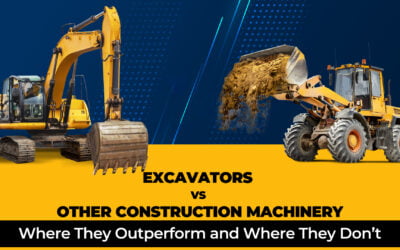
Construction Excavators vs. Other Machinery: Where They Outperform and Where They Don’t
Choosing the right equipment is critical to the success of any construction project. While construction excavators are widely used for their...


Hydraulic breakers and hydraulic breaker hammers have become essential tools in various heavy-duty industries, including construction, mining, and demolition. Concrete breakers are powerful hydraulic tools used for demolishing hard materials like concrete, rock, and asphalt, and are often mounted on excavators or other heavy machinery. Their ability to efficiently break down large structures like rocks, concrete, and other hard surfaces makes them indispensable for projects requiring immense force and precision. Hydraulic breaker hammers, also known as hydraulic hammers or excavator jack hammers, are powered by hydraulic systems that use high-pressure hydraulic fluid pumped through hydraulic hoses to drive a piston, delivering powerful blows to hard materials, allowing for faster and more efficient operations compared to manual methods. Chisel diameter can also be a factor for the overall power and usability of these breakers.
These tools are widely used for a variety of jobs in demolition and construction, offering versatility and efficiency for tasks that require impact, precision, and durability. However, with their widespread use comes growing concerns around their environmental impact. The noise and vibration generated by hydraulic breaker hammers can lead to negative consequences for workers, local communities, and the surrounding environment. Excessive noise can cause hearing damage, while strong vibrations may disrupt nearby structures and ecosystems. Box style breaker hammers can help, but are far from silent on their own. This growing awareness has led to increased scrutiny on the usage of hydraulic equipment, pushing manufacturers to innovate and develop technologies aimed at reducing these environmental impacts.

Hydraulic breaker hammers play a vital role in numerous industries by providing an efficient solution for breaking down tough materials. These machines are typically mounted on excavators or other heavy machinery, where proper mount and secure attachment are crucial for safe and effective operation. Excavator jack hammers, in particular, are widely used due to their mobility and ease of operation, allowing them to work in various terrains and confined or tight spaces where larger machines may struggle to access. Some models are specifically designed for optimal performance in tight spaces.
From tunneling in the mining sector to tearing down old buildings in urban redevelopment projects, hydraulic hammers have revolutionized the way these industries operate. They reduce the time and labor needed to complete difficult tasks and contribute to significant cost savings. Hammer hydraulics also offer flexibility, with various models offering matching hydraulic capacity (and oil flow) available to suit different applications, depending on the size of the excavator, carrier, or skid steer, or the type of material being worked on. Selecting the appropriate model ensures optimal performance and efficiency for specific demolition, excavation, or construction needs. The operating weight of hydraulic breaker hammers can vary significantly, from approximately 50 kg to over 10,000 kg, making them suitable for a wide variety of skid steer loaders, including Bobcat, excavators, carriers, and applications.
However, as beneficial as hydraulic breaker hammers are, their use comes with a set of challenges. Two of the most prominent issues are noise and vibration. These are not just minor inconveniences—they pose serious health risks and environmental concerns. Prolonged exposure to high noise levels can lead to hearing loss, while excessive vibration can damage nearby structures and affect worker safety. As hydraulic heavy equipment and skid steers become more common in urban and densely populated areas, these concerns are becoming harder to ignore.

Hydraulic breaker hammers, as a specialized tool for demolition and construction, are critical for efficient heavy-duty operations but contribute significantly to environmental challenges, particularly noise pollution and vibrations. Understanding these impacts is key to mitigating their effects, especially in urban settings where such disturbances can affect both human health and local ecosystems. When selecting the right hydraulic breaker, it is essential to ensure proper connections between the attachment and the machine. Precise measurements and secure attachment points are necessary for quick switching and optimal machine performance.
Selecting a hydraulic breaker with the appropriate impact energy is crucial to ensure it can perform tasks like breaking concrete or rock, and asphalt cutting, and is suitable for the intended tasks in demolition, construction, quarry and excavation projects. The required components for using a hydraulic breaker hammer typically include hoses, mounting brackets, and compatible couplers, which may need to be purchased separately.
One of the primary environmental concerns associated with hydraulic hammers is noise pollution. During operation, hydraulic breaker hammers generate substantial noise, which can range between 120 to 130 decibels (dB), depending on the size of the hammer and the materials being worked on. To put this in perspective, typical conversation levels are around 60 dB, while a jackhammer’s noise can reach 100 dB. Prolonged exposure to noise levels above 85 dB can lead to hearing damage, making the operation of hydraulic hammers a significant concern for both workers and nearby communities.
In urban areas, where construction often takes place close to residential and commercial zones, the noise generated by excavator jack hammers can be a disruptive problem. The constant high-decibel sound may not only quickly cause stress to people but also disturb the natural behavior of wildlife in the vicinity. In sensitive areas such as hospitals or schools, the noise from hydraulic equipment can become particularly problematic, prompting the need for advanced noise-reduction technologies.
Technological advancements have aimed at reducing this noise pollution, with modern hydraulic breakers featuring noise suppression systems, insulated housing, and low-noise modes to minimize the impact. However, without these features, the operation of hydraulic hammers remains a significant source of environmental noise pollution.
Another substantial environmental concern posed by hydraulic breaker hammers is the vibration they generate during use. These vibrations are caused by the repetitive, high-impact blows delivered by the hammer hydraulics to break through solid materials like rock or concrete. The force of these impacts causes the ground and nearby structures to vibrate, potentially leading to a range of issues.
In terms of infrastructure, these vibrations can affect the structural integrity of nearby buildings, especially older or historically significant structures. Over time, continuous exposure to such vibrations can cause cracks or foundation shifts, resulting in costly repairs. Underground utilities, including water pipes, gas lines, and electrical conduits, are also at risk of damage from vibrations. These utilities may be displaced, cracked, or ruptured, leading to disruptions in services and posing safety hazards.
Beyond the built environment, vibrations from hydraulic breaker hammers can disturb natural ecosystems. For example, in areas where construction takes place near bodies of water, vibrations can alter the behavior of aquatic life, disorient fish, and impact other species sensitive to changes in their environment. Even terrestrial wildlife can experience changes in behavior due to continuous exposure to vibrations, which may affect their feeding, mating, and nesting habits.
Like with noise pollution, innovative solutions have been developed to reduce vibration impacts. Advanced hydraulic hammers are designed with anti-vibration features that dampen the shock generated during operation. Additionally, improved mounting systems and the use of vibration-absorbing materials have contributed to lowering the environmental footprint of these essential construction tools.
Operator comfort and safety are paramount when using a hydraulic breaker attachment in demanding construction and excavation projects. Modern hydraulic breaker attachments are designed with advanced shock-absorbing systems that significantly reduce the vibration and impact transferred to the operator. This not only minimizes fatigue during long hours of operation but also enhances overall operator comfort, allowing for more precise and controlled handling of the breaker.
A well-designed hydraulic breaker attachment incorporates features such as ergonomic handles and strategically placed controls, making it easier for operators to manage the equipment efficiently. Safety valves are another critical component, preventing accidental start-ups and ensuring that the hydraulic breaker only operates when intended. This reduces the risk of unexpected blows and potential injuries on the job site.
Regular maintenance is essential to ensure maximum efficiency and safe operation. Checking hydraulic fluid levels, inspecting hose diameter for wear, and monitoring the condition of seals and moving parts help prevent equipment failure and reduce downtime. Keeping the hydraulic breaker attachment in optimal condition not only extends its lifespan but also maintains superior performance throughout the project.
Personal protective equipment (PPE) is a must for operators working with hydraulic breakers. Wearing gloves, safety glasses, and a hard hat protects against flying debris and other hazards commonly encountered during breaking and demolition tasks. By prioritizing operator comfort and safety through thoughtful design, diligent maintenance, and proper use of PPE, construction teams can enhance efficiency, reduce the risk of accidents, and ensure that excavation projects are completed smoothly and effectively.

As the demand for more sustainable and environmentally conscious construction practices grows, manufacturers of hydraulic breaker hammers have developed various technological solutions aimed at reducing noise pollution. These advancements are not only addressing the concerns of both workers and local communities, particularly in noise-sensitive environments like urban areas, but also enhancing the efficiency and durability of hydraulic breaker hammers. Below are some of the key innovations that have been introduced to mitigate the noise generated by hydraulic hammers.
One of the most effective ways to reduce the noise produced by hydraulic breaker hammers is through the implementation of soundproofing techniques. These solutions are designed to minimize the transmission of noise from the hammer to the surrounding environment, making operations quieter and less disruptive.
Several soundproofing methods have emerged in recent years, with insulated covers and noise-reducing materials being the most common. These covers are typically made of sound-absorbing materials such as rubber or specialized foam, which dampen the noise created by the hammer’s high-impact strikes. These materials help to contain the noise within the hammer itself, preventing it from spreading to the environment.
Another innovative approach to noise reduction is the use of polyurethane buffers. These buffers are strategically placed within the hammer hydraulics to absorb vibrations and reduce the metal-on-metal contact that often contributes to noise generation. By minimizing this contact, the overall noise level of the hydraulic hammer is significantly reduced, creating a more controlled and less disruptive operation.
In response to increasing regulations and environmental concerns, many manufacturers have designed modern hydraulic breaker hammers with built-in noise-reducing features. These quieter models are engineered to operate at lower decibel levels compared to traditional hammers, making them ideal for use in noise-sensitive areas such as residential or commercial construction zones.
Several leading brands have introduced hydraulic hammers that prioritize noise reduction. For instance, models from manufacturers like Atlas Copco, Epiroc, Komatsu, and NPK have become well-known for their lower noise output. These models feature improved housing insulation and sound-dampening materials, which contribute to their quieter operation. Additionally, some models offer variable-speed options, allowing operators to adjust the power and noise level according to the task at hand, further reducing the environmental impact of the hammer.
For example, the Atlas Copco SB series of hydraulic hammers are designed specifically for noise reduction, with decibel ratings significantly lower than older models. These hammers use advanced materials and engineering to decrease the noise produced without compromising their performance in heavy-duty applications like demolition and mining.
Another critical area of focus in reducing noise from hydraulic breaker hammers is the improvement of exhaust systems. Traditional exhaust systems on hydraulic hammers can be a significant source of noise due to the release of high-pressure air during operation. However, advancements in exhaust design have helped to minimize this noise.
Modern hydraulic hammers are equipped with exhaust systems that feature built-in silencers or mufflers. These systems work by reducing the pressure of the air as it is released from the hammer, thus lowering the noise produced during this process. The air is channeled through specialized chambers that disperse the pressure more evenly, preventing the sudden loud bursts of noise that are characteristic of older hammer models.
Additionally, improved exhaust systems are often paired with enhanced hydraulic circuits that optimize the flow of hydraulic fluid within the system, reducing mechanical strain and noise generation. By addressing the noise at its source and improving the way air is released, these advancements have contributed to more efficient and quieter hydraulic hammers.


In addition to noise pollution, vibration is another significant environmental and operational challenge associated with hydraulic breaker hammers. Excessive vibrations can cause damage to nearby structures, underground utilities, and even disrupt ecosystems. To address these issues, manufacturers have focused on developing advanced technologies to minimize vibrations during operation. Below are some key technological advancements that have helped reduce the vibration impact of hydraulic hammers.
One of the most effective solutions for reducing vibrations in hydraulic breaker hammers is the integration of anti-vibration systems. These systems are designed to absorb and dampen the vibrations generated during operation, preventing them from transferring to the operator and the surrounding environment. This is particularly important in urban areas, where vibrations can cause structural damage or disrupt sensitive equipment.
Anti-vibration systems typically involve the use of shock-absorbing materials or mechanisms within the hammer’s housing. For example, some hydraulic hammers are equipped with dampening pads or cushions that reduce the force of each hammer stroke before it is transferred to the surrounding environment. Additionally, advanced hammers may feature specialized piston designs that deliver more controlled impact, further minimizing the generation of vibrations.
A notable example of effective anti-vibration technology is the Epiroc hydraulic breaker hammer series, which incorporates a patented VibroSilenced system. This system features a fully enclosed housing and integrated damping technology, which significantly reduces vibration levels without compromising the hammer’s performance. These innovations ensure smoother operation while protecting nearby structures and equipment from the harmful effects of vibrations.
Flexible mounting systems are another technological advancement that has proven highly effective in reducing vibrations. These mounts help isolate the vibrations generated by the hydraulic hammer, preventing them from being transferred to the excavator or other connected equipment. By minimizing the transmission of vibrations, flexible mounts not only protect the machine but also reduce the impact on surrounding areas, making operations safer and more efficient.
Flexible mounts are typically made from rubber or other elastomeric materials, which absorb and dissipate the energy generated by the hammer. To secure these mounts to the machine, heavy-duty pins—often 2 inches in diameter and equipped with tightening nuts—are used. These pins are essential for attaching the mounts to equipment like skid steers or mini-excavators, ensuring the mounts remain firmly in place and providing operational safety during use. This prevents the vibrations from traveling through the excavator’s boom or chassis, reducing wear and tear on the machine. Moreover, by isolating the vibrations, flexible mounts help protect the operator from the physical strain and discomfort associated with prolonged exposure to vibration.
A good example of flexible mounting technology is the Sandvik BR series of hydraulic hammers, which incorporate an innovative mounting system designed to minimize vibration transmission. These hammers use special vibration-dampening bushings that isolate the hammer from the excavator, reducing the impact on both the machine and the surrounding environment. The result is smoother operation, increased operator comfort, and reduced risk of damage to nearby structures or underground utilities.
Another important technological advancement in reducing vibrations is the optimization of hydraulic flow within the hammer. By controlling the flow of hydraulic fluid more efficiently, manufacturers can reduce the shock waves generated by each hammer stroke, thus minimizing the vibrations that occur during operation.
Innovative hydraulic flow control systems work by regulating the pressure and flow rate of hydraulic fluid within the hammer, allowing for smoother and more controlled impacts. This not only reduces vibrations but also improves the overall efficiency of the hammer, as the energy is delivered more evenly and consistently. Additionally, advancements in valve design and hydraulic circuits have contributed to improved fluid dynamics, further reducing the mechanical shock associated with each stroke.
One example of improved hydraulic flow control is found in Caterpillar’s range of hydraulic hammers. These models use advanced flow-regulating technology to optimize the impact force while minimizing the shock waves generated during operation. As a result, the hammers produce less vibration while maintaining their ability to break through tough materials like rock and concrete.

Ensuring regulatory compliance is a critical aspect of operating a hydraulic breaker attachment on any construction or excavation site. Adhering to industry standards and legal requirements not only safeguards workers and the environment but also helps maintain the efficiency and reliability of your equipment.
Hydraulic breaker attachments must be designed and manufactured to meet stringent standards set by organizations such as the Occupational Safety and Health Administration (OSHA) and the Environmental Protection Agency (EPA). These regulations cover a range of factors, including acceptable noise and vibration levels, emissions, and overall equipment safety. Using a hydraulic breaker attachment that complies with these standards helps prevent costly fines, project delays, and potential legal issues.
Proper installation and regular maintenance are essential to ensure that the hydraulic breaker attachment continues to meet regulatory requirements throughout its service life. This includes matching the hydraulic capacity of the attachment to the carrier—whether it’s a skid steer loader, mini excavator, or another machine—to guarantee superior performance and maximum efficiency. Regular inspections of key components such as the piston, hoses, and seals are necessary to detect wear and tear early, maintain reliability, and prevent unexpected downtime.
Operator training is another vital element of regulatory compliance. Ensuring that all personnel are knowledgeable about the correct use and maintenance of the hydraulic breaker attachment reduces the risk of accidents and helps maintain a safe job site. By following best practices and staying up to date with regulatory changes, construction and utility specialists can complete projects efficiently, protect their workforce, and minimize environmental impact.
Ultimately, prioritizing regulatory compliance not only ensures the safe and efficient operation of hydraulic breaker attachments but also supports the long-term sustainability and reputation of your business in the construction industry.

Hydraulic breaker hammers are indispensable tools in industries such as construction, mining, and demolition, but their use comes with significant environmental challenges, particularly in the form of noise pollution and vibrations. These issues can affect not only workers but also nearby communities, structures, and ecosystems. Noise levels from hydraulic hammers can exceed safe thresholds, while excessive vibrations can damage infrastructure and disturb local environments.
Fortunately, ongoing technological advancements are addressing these challenges. Innovations like soundproofing solutions, quieter hammer models, advanced exhaust systems, anti-vibration technologies, flexible mounting systems, and improved hydraulic flow control have significantly reduced both noise and vibration levels. These solutions help make hydraulic breaker hammers more sustainable, ensuring their benefits in terms of efficiency and productivity are not outweighed by environmental drawbacks.
As the industry continues to evolve, it is essential for businesses to adopt these advanced, low-noise, and low-vibration hydraulic hammers. By investing in these technologies and implementing best practices, companies can minimize the environmental impact of their operations, safeguard the health and safety of their workers, and contribute to the well-being of the communities and environments around them. Sustainable practices are no longer an option—they are a responsibility for all involved in the use of heavy-duty equipment like hydraulic breaker hammers.
Get in touch with us now!
Choosing the right equipment is critical to the success of any construction project. While construction excavators are widely used for their...

Excavators have long been the backbone of earthmoving operations, valued for their digging precision, reach, and raw lifting power. But in today’s...

When it comes to keeping excavation projects on schedule, having the right parts for the right equipment is non-negotiable. For procurement teams...