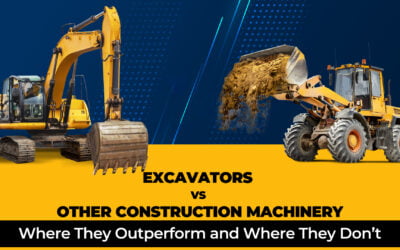
Construction Excavators vs. Other Machinery: Where They Outperform and Where They Don’t
Choosing the right equipment is critical to the success of any construction project. While construction excavators are widely used for their...


When disaster strikes, the speed and efficiency of the response can mean the difference between life and death. Effective disaster management is a complex dance of logistics, strategy, and technology, all of which must be seamlessly integrated to mitigate the impact of catastrophic events. High reach excavators serve as engineered solutions for disaster and demolition challenges, providing the necessary capabilities to address both immediate and long-term needs. One of the critical elements in this integration is specialized equipment designed to navigate and resolve the unique challenges posed by devastated environments. High-reach excavators are a pivotal technology in the arsenal of disaster response and recovery tools, as well as in demolition applications. These machines are also essential for large-scale demolition projects, offering tailored solutions such as customized setups, equipment upgrades, and comprehensive support packages to ensure safety, flexibility, and productivity.

Disaster response and recovery operations are organized efforts to address the immediate aftermath of catastrophic events, such as earthquakes, hurricanes, floods, or human-made disasters. These operations involve multiple phases, starting with the initial emergency response, which focuses on saving lives, providing medical care, and ensuring public safety. This phase is quickly followed by stabilization efforts, where the focus shifts to restoring essential services, and assessing the overall structural damage to infrastructures such as roads, bridges, and buildings.
As recovery progresses, the longer-term project phase begins, which involves large-scale recovery projects such as rebuilding destroyed property, reestablishing normalcy, and implementing measures to reduce the impact of future disasters. Specialized equipment and trained personnel are tailored to meet the specific needs of these projects, ensuring that advanced machinery and resources are deployed effectively. These resources are essential for practical response efforts and accelerating the overall recovery process, thereby reducing the economic and social disruption caused by the disaster.
Specialized equipment like high-reach excavators, engineered for challenging disaster environments and a fleet of which can be equipped with various demolition attachments for enhanced productivity, plays a pivotal role in disaster management, but are typically not available from a local dealer. This equipment is crucial for debris removal, demolishing unsafe structures, and clearing pathways for rescue and relief operations. The effectiveness of disaster response and recovery is significantly enhanced by the availability and strategic use of such machinery, which can operate under challenging conditions and perform tasks beyond the capacity of ordinary equipment.
High-reach excavators are heavy machinery specifically designed to handle tasks requiring extended reach and precision. Some high-reach excavators are equipped with a straight boom, enhancing their effectiveness in demolition tasks. Typically used in demolition, these excavators have long boom arms that can reach several stories, making them ideal for tackling large-scale debris and collapsed structures in disaster-stricken areas. A demolition boom is a specialized attachment designed for high-reach demolition tasks, offering improved reach, stability, and versatility for complex demolition projects. Their design allows operators to remove hazardous materials from a safe distance, an essential feature in managing unstable and potentially dangerous sites.

High-reach excavators are specialized pieces of heavy construction equipment purpose built to operate at extended heights that standard excavators cannot achieve. These machines are characterized by their long boom arms, which can extend to heights often exceeding 60 feet and sometimes up to 100 feet or more, with the maximum pin height being a critical factor for demolition and construction applications. Various models are available, each incorporating advanced safety and technological features to ensure efficiency and safety on the job site. The primary components of a high-reach excavator include a base unit equipped with tracks or wheels, a rotating cab, hydraulic lines, and a modular boom system that can be fitted with various attachments like shears, hammers, or crushers. The undercarriage, often featuring a retractable undercarriage and robust track frames, plays a crucial role in providing stability, mobility, and ease of transportation. The operating weight of the machine is also important, as it impacts both capacity and stability, influencing the suitability of the excavator for different applications. Design features such as a wider or extendable undercarriage offer added stability during demanding tasks.
The modular boom system often includes a hydraulic modular joint, allowing for quick reconfiguration of the excavator’s reach and digging capabilities. Multiple boom options are available, enabling contractors to adapt the machine for specific demolition or structural tasks, enhancing versatility and efficiency.
The key features of high-reach excavators are their enhanced stability, robust structure, and advanced hydraulic systems, which provide the necessary power for the machine to handle heavy loads at high elevations. These advanced hydraulic systems minimize the need for extensive on-site management of hydraulic lines, making them incredibly practical for precise, high-level tasks that require careful manipulation of materials and equipment. Factory-built high-reach excavators deliver superior performance, as they are specifically designed for optimal operation, safety, and ease of maintenance, further enhancing work efficiency and effectiveness.
In the realm of construction and demolition, specialized demolition excavators, particularly high-reach models, are purpose-built for several critical tasks:
Building Demolition: Demolition excavators are commonly used to safely and systematically dismantle multi-story buildings. Their ability to reach high levels allows for the controlled demolition of structures, layer by layer, reducing the risk of uncontrolled collapses. Selecting the right tool or attachment, such as shears or crushers, is essential for maximizing efficiency in these demolition tasks.
Debris Sorting and Removal: After a building or structure has been brought down, demolition excavators can dig through the debris, select and remove recyclable materials, and clear away waste, facilitating a cleaner and more efficient site. Using the appropriate tool for sorting and handling materials further enhances operational productivity.
Structural Enhancements and Repairs: In construction, these demolition excavators assist in placing or removing heavy-load structural components at heights, such as in repairing bridges or historical monuments, where precision and reach matter. Choosing the correct tool for the job ensures both safety and effectiveness.
High-reach demolition excavators are particularly well-suited for the toughest jobs in disaster response due to several unique attributes:
Extended Reach: The most obvious advantage is their extended reach, which allows them to safely perform tasks amidst unstable and hazardous conditions commonly found in disaster zones. This capability is crucial for accessing difficult-to-reach areas and performing operations at a safe distance from the risk.
Precision: These machines offer precise handling and operation, which are vital during sensitive tasks like removing debris from a collapsed building without causing further damage or destabilization.
Versatility: The boom’s modular nature and the variety of excavator attachments that can be equipped make high-reach excavators highly versatile. These machines are capable of handling a variety of tasks, including earth moving and digging, in addition to demolition. This versatility is essential in disaster scenarios where multiple types of tasks must be performed, from cutting and crushing to lifting, moving earth and other materials, and removing obstacles.
Speed and Efficiency: Their ability to handle multiple aspects of the cleanup and recovery process quickly and efficiently can significantly shorten the duration of emergency response operations and reduce the overall impact of the disaster.
These characteristics make high-reach demolition excavators valuable in construction and demolition and elevate their role as critical components of effective disaster management strategies.
High-reach excavators are indispensable tools in disaster response operations, performing a range of critical jobs from initial assessments to the final stages of reconstruction. Here’s a closer look at how these powerful machines contribute across various phases of disaster response:
The initial job after a disaster involves assessing the site to determine the extent of damage and the type of response required. High-reach excavators can remove surface debris that may obstruct the assessment and clear access routes for other rescue and recovery equipment. Features such as retractable undercarriages on these machines facilitate easier transportation and setup at disaster sites, allowing for faster deployment and increased operational flexibility.
One of the primary uses of high-reach demolition excavators in disaster zones is to remove debris and dismantle fallen structures. The high reach boom allows operators to safely dismantle tall or unstable structures, providing greater control and minimizing risk during demolition. These machines enable operators to remove large volumes of rubble safely and efficiently, which is crucial for subsequent recovery efforts and to prevent further hazards.
Disasters often leave areas that are hard to reach due to collapsed infrastructure or accumulated debris. High-reach excavators, with their extended arms and various attachments—including a long arm for even greater reach—can access these areas, perform necessary operations, and help deliver essential supplies.
Rescue operations are the top priority in the immediate aftermath of a disaster. High-reach excavators can assist rescue teams by carefully removing debris and clearing paths to trapped individuals without causing additional harm to the surroundings or the people stuck inside.
Clear and accessible paths are vital for running emergency services such as ambulances, fire trucks, and police vehicles. High-reach demolition excavators can quickly clear roads and pathways, allowing these services to reach affected areas more rapidly.
Some structures may not collapse immediately but are destabilized and could pose risks. High-reach excavators can be used to stabilize or dismantle these structures methodically to ensure the safety of rescue teams and survivors.
Once the immediate emergency is over, the focus shifts to recovery and rebuilding. High-reach excavators play a significant role in this phase by helping to demolish any remaining unsafe structures, assisting in the cleanup process, and preparing the ground for reconstruction efforts. These machines also provide essential support for cleanup and rebuilding operations, ensuring that recovery projects proceed efficiently and safely.
Certain buildings may be deemed unsafe and beyond repair after a disaster. High-reach demolition excavators are perfect for demolishing these structures safely, ensuring that rebuilding efforts can commence on a safe and transparent site. For especially tall or hard-to-reach structures, a high reach demolition boom allows for safe and efficient deconstruction by providing adjustable configurations, extended reach capacity, and enhanced stability.
Finally, as reconstruction begins, high-reach excavators can be employed to assist in the rebuilding process. With the addition of a digging boom, these machines can be quickly reconfigured for ground-level excavation and material handling during rebuilding. Whether moving heavy materials or aiding in the construction of new infrastructure, these excavators are vital in helping communities recover and rebuild.
Through these diverse roles, high-reach excavators enhance the efficiency of disaster response operations and help reduce the overall time and cost associated with recovery and rebuilding efforts.


High-reach excavators bring many benefits to disaster response operations, enhancing the speed and efficiency of these efforts and ensuring safety and adaptability in unpredictable conditions. Here’s a detailed exploration of these benefits:
Thanks to their mobility and ease of setup, high-reach excavators can be quickly deployed to disaster sites. Certain setup or reconfiguration tasks can be completed in less than an hour, allowing for rapid response. Once on-site, they can be operated immediately to start the critical work of clearing debris and making the area safe for further rescue and recovery operations.
These excavators excel in swiftly handling and removing large volumes of debris. Their long reach and powerful lifting capabilities allow them to tackle large blocks of rubble and collapsed structures, significantly speeding up the clearing process, which is essential for timely disaster response.
The remote operation capability of high-reach excavators allows them to work in highly hazardous environments where human workers would be unsafe. Using these machines enables emergency personnel to maintain a safe distance, reducing the risk of casualties or injuries among rescue teams.
High-reach demolition excavators provide a high degree of control in demolition tasks, which is crucial for dealing with unstable structures that pose a collapse risk. Their precision in dismantling these structures systematically ensures that further damage to the surrounding area is minimized, maintaining overall site safety.
Equipped with different attachments, high-reach demolition excavators can handle a variety of materials—from concrete and steel to wood and mixed debris. This adaptability makes them invaluable in disaster scenes, where the type of debris can vary significantly from one area to another. Some high-reach excavators are also designed to self-disassemble, allowing for easier transport and reassembly on-site.
Whether responding to natural disasters like earthquakes and hurricanes or human-made catastrophes such as building collapses, high-reach excavators are versatile enough to be effective in diverse scenarios. Their capability to adapt to different types of disasters by adjusting their tools and methods of operation makes them a universal asset in disaster management.
The combination of speed, safety, precision, versatility, and adaptability makes high-reach excavators a crucial component in the toolkit of disaster response and recovery teams. They play a significant role in enhancing the effectiveness and efficiency of operations in crises.
Effective disaster response relies heavily on the proficiency of the equipment operators and the seamless coordination between various response teams. Training and preparedness are critical in ensuring high-reach excavators are used to their full potential in disaster scenarios. Here’s an in-depth look at the essential aspects of training and preparedness:
Operating high-reach excavators in disaster response settings requires specialized skills beyond standard construction operations. Training programs must focus on the unique challenges of disaster environments, such as unstable terrain, unpredictable structural integrity, and the need for precision in hazardous conditions. Proper training ensures operators can perform their tasks safely and efficiently, minimizing risks to themselves and others.
Training should include realistic emergency response scenarios, and simulations that mimic the conditions operators will likely encounter during disasters. These simulations help operators develop the ability to make quick, informed decisions under pressure and adapt to rapidly changing situations. By practicing in controlled yet challenging environments, operators can build the confidence and experience needed for real-world applications.
Operators need comprehensive technical training on high-reach excavators’ specific functions and capabilities. This includes understanding the various attachments and tools available, mastering the hydraulic and control systems, and learning the maintenance procedures to ensure the equipment remains in optimal working condition. Technical proficiency is essential for maximizing the effectiveness of high-reach demolition excavators in disaster response. When purchasing high-reach excavators for disaster response, it is important to understand the equipment features and configurations to ensure the right machine is selected for the job.
Effective disaster response requires close collaboration between high-reach excavator operators and other emergency response teams, such as firefighters, medical personnel, and search and rescue units. Training programs should include joint sessions where all parties can learn to work together seamlessly. This collaboration ensures that everyone understands each other’s roles and responsibilities, leading to more coordinated and efficient operations.
Planning and coordination are critical for integrating high-reach excavators into disaster response strategies. This involves pre-disaster planning, where scenarios are mapped out and roles are assigned. It also includes establishing communication protocols and chains of command to ensure that information flows smoothly during an actual disaster. Integrated planning helps prevent misunderstandings and ensures that resources are used effectively.
Joint training exercises and drills are essential for testing and refining the collaboration between high-reach excavator operators and other emergency response teams. These drills simulate actual disaster conditions, providing an opportunity to practice and improve joint operations. Regular drills help identify potential issues and areas for improvement, ensuring that all teams are better prepared for emergencies.

This blog has explored the significant role of high-reach excavators in disaster response and recovery operations. Let’s recap the key points discussed:
Understanding High-Reach Excavators: We defined high-reach excavators, highlighted their key features, and discussed their typical applications in construction and demolition. Their extended reach, precision, and versatility make them suitable for disaster response.
The Role of High-Reach Excavators in Disaster Response: High-reach excavators are invaluable during various phases of disaster response, from initial site clearance and debris removal to supporting rescue operations and stabilizing hazardous structures. They also play a crucial role in post-disaster recovery and rebuilding efforts.
Benefits of Using High-Reach Excavators in Disaster Response: These machines offer numerous advantages, including speed and efficiency in clearing large debris, enhancing safety by minimizing risks to emergency personnel, and their versatility in handling various types of debris and adapting to different disaster scenarios.
Training and Preparedness: We emphasized the importance of specialized operator training, realistic emergency response scenarios and simulations, technical training on high-reach excavator functions, and the critical nature of collaboration with emergency response teams. Integrated planning and joint training exercises are essential for effective disaster response.
Leading manufacturers such as Volvo, Volvo CE, and Volvo Construction Equipment have set industry standards with their advanced high-reach excavators, making them essential for disaster response and demolition projects.
High-reach excavators are indispensable assets in disaster response and recovery. Their ability to rapidly clear debris, safely demolish unstable structures and assist in rescue operations significantly improves the efficiency and effectiveness of disaster management efforts. These machines enhance the capabilities of emergency response teams, ensuring faster and safer recovery for affected communities. Consider utilizing high-reach excavators from trusted brands like Volvo CE for your next project to maximize safety and efficiency.
For more information or to discuss how high-reach excavators can support your operations, please contact us today

A high-reach excavator is a specialized piece of heavy equipment designed for tasks at extended heights—often exceeding 60 feet, with some models reaching over 100 feet. Unlike standard excavators, it has a long boom arm and modular attachment options, making it ideal for demolition of tall structures and precision work in hazardous conditions. It also features enhanced stability systems, stronger hydraulic controls, and adaptable configurations for a wide range of tasks.
High-reach excavators are crucial in disaster zones because they can safely demolish unstable structures, clear large debris, and access hard-to-reach areas without putting emergency personnel at risk. Their precision and ability to operate in dangerous environments enable rescue teams to work faster, safer, and more effectively during both the immediate response and recovery phases.
They are valuable in both natural disasters—such as earthquakes, hurricanes, floods, and landslides—and human-made disasters, like building collapses or industrial accidents. Their extended reach, stability, and versatility make them suitable for clearing debris, dismantling hazardous structures, and providing access for rescue and emergency services in varied and unpredictable conditions.
High-reach excavators can be fitted with a variety of attachments, including shears, hydraulic hammers, crushers, and buckets. These allow them to perform different tasks such as breaking concrete, cutting steel, sorting debris, and removing rubble. The ability to quickly change attachments increases their adaptability, making them suitable for multiple roles in a single operation.
Yes. Operating high-reach excavators in disaster conditions requires specialized training beyond standard construction work. Operators must understand the unique challenges of unstable terrain, hazardous debris, and urgent rescue operations. Training often includes simulation exercises, technical instruction on machine functions, safety protocols, and coordinated drills with emergency response teams to ensure smooth collaboration.
Get in touch with us now!
Choosing the right equipment is critical to the success of any construction project. While construction excavators are widely used for their...

Excavators have long been the backbone of earthmoving operations, valued for their digging precision, reach, and raw lifting power. But in today’s...

When it comes to keeping excavation projects on schedule, having the right parts for the right equipment is non-negotiable. For procurement teams...