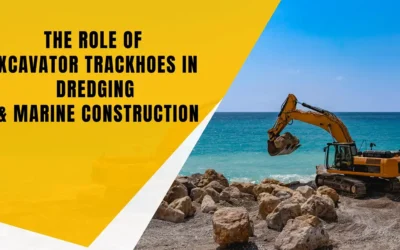
The Role of Excavator Trackhoes in Dredging and Marine Construction
Dredging and marine construction are integral to the development and maintenance of waterfront infrastructure, including ports, harbors, and canals....


Among the many types of machinery available, the long boom excavator has carved out a niche as an essential tool for tasks requiring exceptional reach and depth. Unlike standard excavators, which are equipped with shorter excavator booms, the mono boom is the most common type of excavator boom and is widely used for general construction tasks due to its versatility and cost-effectiveness. Long boom models extend the capabilities of traditional machines, allowing for deep digging, wide-reaching material handling, and safer operations in hazardous environments. If you’re looking for a truly practical, game changing addition to your excavator – your search is over – the Long Boom (or long arm excavator) is that tool.
These excavators excel in applications such as river dredging, large-scale trenching, pond excavations, and slope stabilization. With superior digging depth compared to standard or mono booms, long boom excavators are ideal for projects that require extended reach and deeper excavation. Understanding when to opt for a long boom excavator is crucial for ensuring the project’s success, as these machines offer unique advantages while addressing specific challenges.
Additionally, factors such as material density, bucket width, and wear packages can all affect performance, making it important to consider these aspects when keeping your equipment up to date. This blog dives into the considerations that make a long boom excavator the ideal choice for heavy-duty projects, and helps you stay on the right page when it comes to using this critical implement.


Certain projects demand digging to significant depths or extending reach beyond the capacity of standard boom excavators. For example, creating a deep pond or excavating for a large foundation requires a machine that can efficiently remove soil and reach lower levels without multiple repositionings. The length of the excavator boom directly impacts its ability to achieve greater digging depths and reach further into excavation sites. The long boom excavator is engineered to meet these requirements, providing operators with the ability to work efficiently at greater depths. The performance of the long boom excavator can vary depending on how attachments are installed.
This makes long boom excavators ideal for tasks like dredging, where consistent depth and precision are critical to project success.
Size and Scale of the Project
The size of the project often dictates the type of machinery required. For large-scale operations such as river dredging or trenching for pipelines, the extended reach of a long boom excavator provides significant advantages, especially when matched with the appropriate class of excavator. These machines can cover a larger area from a single position, reducing the need for frequent adjustments and making them particularly effective for massive excavation projects that require extensive material handling.
In such cases, more than standard excavators may be required, as their limited reach can lead to delays and increased costs due to the need for additional equipment or repositioning.
Many construction sites have restricted access, making it challenging to maneuver heavy equipment. In these situations, the extended reach of a long boom allows operators to work from a fixed position, reaching otherwise inaccessible areas. This is particularly beneficial in urban construction zones, sites with tight boundaries, or locations surrounded by natural obstacles like trees or steep slopes. Long boom excavators are especially advantageous for working in confined spaces and tight spaces, where maneuverability and reach are limited by available space. A long boom excavator ensures that the project progresses smoothly, even in areas where standard machines struggle.

Uneven or rugged terrain poses significant challenges for standard excavators, often requiring frequent repositioning to maintain balance and operational efficiency. This constant adjustment not only slows progress but also increases wear and tear on equipment, leading to higher maintenance costs.
Long boom excavators address these challenges with their extended reach, which minimizes the need for constant machine movement, allowing operators to manage loads more effectively. Operators can focus on their tasks without worrying about repeatedly relocating the excavator, saving both time and resources. Whether the project involves navigating rocky landscapes, marshy wetlands, or steep and uneven slopes, the stability provided by a boom for excavators ensures continuous, efficient operations.
Construction projects near water bodies, such as rivers, lakes, or reservoirs, or those in hazardous zones like contaminated sites or unstable embankments, often come with elevated safety risks. Standard excavators may need to operate dangerously close to these hazards, increasing the potential for accidents and equipment damage.
A long boom excavator provides a practical solution by enabling operators to work from a safe distance. For example, when dredging a river or cleaning a reservoir, the extended reach of a long boom allows efficient work along riverbanks or water banks, making it easier to access and maintain these areas without moving the machine close to the waterline. Similarly, projects involving unstable dams or levees can be completed without putting operators or equipment in harm’s way.
Stabilizing slopes and reinforcing riverbanks are critical tasks in projects such as flood management, erosion control, and infrastructure development. These tasks demand precision, reach, and stability, which standard excavators may struggle to provide, especially on steep inclines or unstable ground.
The extended excavator boom of a long boom excavator offers a significant advantage in these scenarios. By allowing operators to work from a stable and secure position, these machines can easily reach and stabilize slopes without the need to reposition frequently. This capability is essential for reinforcing riverbanks, where access to specific areas may be limited or unsafe. Efficient carrying of materials to and from these challenging locations is also crucial, ensuring that stabilization and reinforcement work can proceed smoothly even in confined or hard-to-reach spaces.

Long boom excavators are designed to handle significant volumes of material, including dense and heavy substances like wet soil, gravel, or clay. Their extended reach ensures that these materials can be excavated and relocated efficiently, balancing the load on machinery components. For instance, in dredging operations, the ability to scoop and transport large amounts of sediment from the riverbed enhances productivity.
While long boom excavators offer exceptional reach, it’s essential to consider their lift capacity. The extended excavator boom may reduce the overall lifting power, especially when working at extreme distances or heights. Operators must evaluate the weight and density of the materials being handled to ensure that the machine operates within its limits, preventing mechanical strain and ensuring project safety.
The versatility of long boom excavators can be further enhanced by selecting the right attachment. Buckets, grapples, and specialized tools can optimize material handling for various projects. For example, dredging buckets are perfect for removing sediment from water bodies, while heavy-duty grapples excel at handling debris in demolition projects. Choosing compatible attachments ensures that the boom for the excavator is used to its full potential. Selecting the right attachment can also expand the working range of the excavator boom, allowing for more efficient material handling across a broader area.

Frequent repositioning of standard excavators can lead to significant downtime, especially in large-scale projects. A long boom excavator mitigates this issue by allowing operators to cover a wider area from a single position. The actual lifting capacity of a long boom excavator can vary depending on the specific machine used. This feature not only saves time but also reduces fuel consumption and wear on the machine, contributing to a more efficient workflow.
The efficiency of a long boom excavator can greatly accelerate project timelines. By eliminating the need for multiple machines and reducing the frequency of repositioning, these excavators ensure that tasks are completed faster. For example, in dredging operations, the ability to dig and transport sediment continuously without interruption is invaluable.
While long booms provide exceptional reach, they can sometimes be less maneuverable than standard machines. Operators must weigh the benefits of extended reach against the potential trade-offs in mobility, particularly for projects that require frequent movement across the site. Certain boom designs, such as those with adjustable or variable angles, allow operators to work efficiently at different angles and heights, improving adaptability on complex job sites.

Long boom excavators may have higher upfront costs compared to standard machines, but the savings they bring in operational efficiency often outweigh these expenses. By reducing the need for additional equipment or labor, these machines deliver substantial cost benefits throughout a project.
Fewer repositions mean lower fuel consumption and reduced wear on parts. Over time, these savings contribute to a lower overall cost of operation, making long boom excavators an economical choice for large-scale projects.
Investing in a long boom excavator is about more than just meeting the demands of a single project. The versatility of these machines can be found in their ability to handle diverse projects, from dredging and excavation to slope stabilization and material handling. They are also highly effective in demolition projects, especially when working near or around a building. This versatility enhances their value, making them a cost-effective solution for contractors who handle diverse projects.
Safety is a paramount concern on any construction site. Operators can find that the extended reach of a long boom excavator allows them to maintain a safe distance from hazards such as deep water, steep drops, or unstable ground. This capability significantly reduces the risk of accidents and injuries.
Operating a long boom excavator requires careful attention to visibility and control. The extended boom can sometimes obscure the operator’s view, making precision tasks more challenging. To address this, many modern excavators are equipped with cameras, sensors, and monitoring systems that enhance visibility and ensure safe, accurate operations. These technologies also enable more precise control of the excavator boom, especially during complex or delicate operations.
The long reach of these machines also keeps site workers at a safe distance from potentially dangerous excavation zones. By reducing the need for manual labor in hazardous areas, long boom excavators enhance overall site safety and minimize the risk of accidents.

Opting for a long boom excavator is a strategic decision that depends on various factors, including project scope, terrain, material type, and safety requirements. These machines provide unparalleled reach, efficiency, and versatility, making them indispensable for heavy-duty applications like dredging, slope stabilization, and large-scale excavation.
By carefully evaluating your project’s specific needs, you can determine whether the extended excavator boom or a long boom excavator is the right choice. With the proper planning and equipment, operators can achieve greater efficiency, safety, and cost-effectiveness, ensuring the success of even the most demanding projects.

Long boom excavators are designed with extended arms that offer significantly greater reach and digging depth than standard excavators. While standard models are suitable for general construction, long boom excavators excel in applications such as dredging, deep trenching, and slope stabilization, where extended reach and safer distance operations are essential.
Consider using a long boom excavator for projects involving river dredging, pond excavation, slope and bank stabilization, working near hazardous or waterlogged areas, and large-scale trenching. These machines are ideal when depth, reach, and precision from a distance are critical to success.
Yes, long boom excavators typically have a lower lifting capacity at full reach due to the extended arm length and leverage effect. However, this trade-off is balanced by their ability to handle material over greater distances and work safely in otherwise inaccessible areas. Proper attachment selection and load assessment can optimize performance.
Long boom excavators can be equipped with a range of attachments, including dredging buckets, clamshell buckets, hydraulic breakers, and grapples. Choosing the right attachment for your material type—such as sediment, clay, debris, or rock—maximizes the efficiency and utility of the long-reach setup.
While they come with a higher upfront cost, long boom excavators can be cost-effective even for short-term projects due to their ability to reduce repositioning, speed up timelines, and enhance safety. For one-off jobs, renting a long boom excavator can provide these benefits without full investment in the equipment.
Get in touch with us now!
Dredging and marine construction are integral to the development and maintenance of waterfront infrastructure, including ports, harbors, and canals....
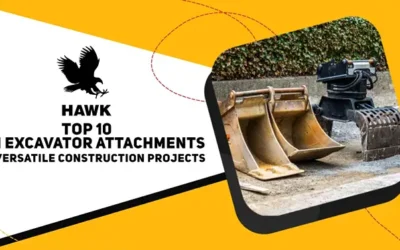
Mini excavators have earned a reputation as indispensable tools in the construction industry. Compact yet powerful, these machines are designed to...
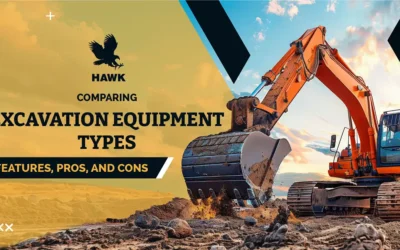
Excavation equipment plays a pivotal role in construction, mining, and numerous other industries that require earthmoving and material handling....