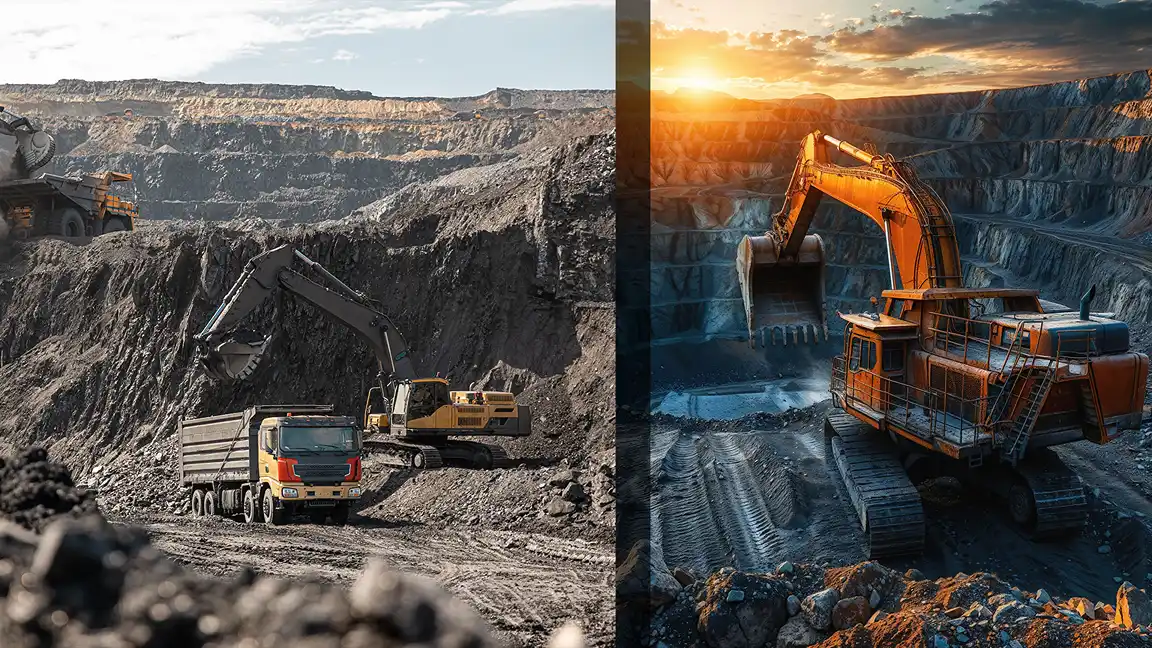
Excavation equipment plays a pivotal role in construction, mining, and numerous other industries that require earthmoving and material handling. From laying the foundation of towering skyscrapers to mining precious resources deep beneath the earth’s surface, excavator equipment is indispensable in modern infrastructure and development projects.
Selecting the right type of excavation equipment is not just a matter of efficiency—it directly impacts project timelines, costs, and safety. With a wide variety of excavation equipment types available, including compact models for tight urban spaces and heavy-duty machines for massive earthmoving tasks, choosing the right tool for the job can make or break a project.
In this blog, we will delve into the diverse world of heavy equipment excavators, comparing their features, advantages, and potential limitations. Whether you’re a contractor, a site manager, or someone exploring the field of excavation, this guide will provide you with the insights needed to make informed decisions. Let’s explore how these powerful machines transform landscapes, one scoop at a time.

Overview of Excavation Equipment
What Is Excavation Equipment?
Excavation equipment refers to specialized machinery designed to move, remove, or manipulate earth, rock, and other materials during construction, mining, or landscaping projects. These machines are engineered to handle a variety of tasks, such as digging trenches, breaking ground, leveling surfaces, and lifting heavy loads.
The primary purpose of excavator equipment is to enhance efficiency and safety in tasks that would otherwise require significant manual labor. By leveraging advanced technology and robust engineering, excavation equipment reduces project timelines and minimizes the risks associated with manual excavation.
Importance of Efficiency and Safety in Excavation Tasks
Efficiency and safety are paramount in excavation work. Delays in excavation can halt entire construction projects, leading to cost overruns and scheduling conflicts. Similarly, improper use of heavy equipment excavators or other machinery can result in accidents, posing risks to workers and the surrounding environment. Modern excavation equipment incorporates features like GPS systems, automated controls, and reinforced designs to ensure precise operations and maximize safety standards.
Excavator
Features of an Excavator
Excavators are among the most versatile and widely used types of excavator equipment in construction and other industries. These machines are built with advanced features to handle complex tasks with precision and power:
- Hydraulic System for Digging and Lifting
The core of an excavator’s performance lies in its hydraulic system, which powers the arm and bucket for digging, lifting, and other tasks. This system ensures smooth and efficient operation, even under heavy loads. - Boom, Bucket, and Rotating Cab
Excavators are equipped with a boom and bucket for digging and material handling, supported by a cab that rotates 360 degrees. This rotation allows operators to work efficiently without needing to reposition the machine frequently. - Available in Various Sizes
Excavators come in different sizes to suit diverse project needs: - Mini Excavators: Compact and perfect for tight spaces like urban construction.
- Standard Excavators: Ideal for medium-sized projects with balanced power and maneuverability.
- Large Excavators: Heavy-duty models designed for large-scale mining or earthmoving operations.
Pros of Using Excavators
- Versatile for Multiple Applications
Excavators are capable of performing a wide range of tasks, including digging trenches, grading land, demolition, and lifting heavy objects. This versatility makes them indispensable on most job sites. - High Precision and Efficiency
The hydraulic system and design allow for precise control, enabling operators to execute tasks with accuracy and speed. - Adaptable with Various Attachments
Excavators can be equipped with numerous attachments, such as augers, breakers, and grapples, expanding their utility beyond standard digging and lifting tasks.
Cons of Using Excavators
- Requires Significant Space for Operation
While mini excavators are compact, standard and large excavators require considerable room to maneuver. This limitation can be a challenge in congested or urban environments. - High Cost Compared to Other Equipment
Excavators, especially larger models with advanced features, represent a significant investment. Their maintenance and operational costs can also be higher than simpler excavation equipment types.

Backhoe Loader
Features of a Backhoe Loader
The backhoe loader is a multi-functional piece of excavation equipment that combines the features of three machines in one:
- Combines a Tractor with a Front Loader and a Backhoe
A backhoe loader integrates a tractor base for mobility, a front loader for lifting and moving materials, and a backhoe for digging and excavation tasks. - Dual-Purpose Functionality
Its ability to switch seamlessly between loading and digging tasks makes it a versatile tool for smaller construction and landscaping projects.
Pros of Using a Backhoe Loader
- Suitable for Smaller Projects
Backhoe loaders are ideal for projects where space or budget constraints prevent the use of larger excavator equipment types. - Versatile and Capable of Handling Multiple Tasks
With both a loader and a backhoe, this machine can perform a variety of tasks, such as digging trenches, moving materials, and light demolition work. - Compact and Mobile
Backhoe loaders are smaller and more maneuverable than heavy equipment excavators, making them perfect for urban or confined job sites.
Cons of Using a Backhoe Loader
- Limited Power Compared to Dedicated Excavators
While versatile, backhoe loaders need more power and the digging capacity of specialized heavy equipment excavators, making them less effective for challenging tasks. - Not Ideal for Large-Scale or Heavy-Duty Projects
For extensive excavation or industrial-scale operations, backhoe loaders are not a substitute for larger, dedicated machines.
Bulldozer
Features of a Bulldozer
- Equipped with a Wide, Heavy Blade for Pushing Material
Bulldozers use a robust blade to push soil, debris, and other materials, making them essential for site preparation and land clearing. - Tracks for Stability on Rough Terrain
The tracks provide excellent traction and stability, allowing bulldozers to operate effectively on uneven or muddy surfaces.
Pros of Using a Bulldozer
- Excellent for Earthmoving and Clearing Land
Bulldozers excel in tasks such as leveling land, clearing debris, and creating roadways. - High Durability and Ability to Handle Tough Terrain
Designed to withstand harsh conditions, bulldozers can handle rocky, uneven, or loose terrain with ease.
Cons of Using a Bulldozer
- Limited Versatility
Bulldozers are not designed for digging or lifting, making them unsuitable for tasks requiring precision excavation or material handling. - Requires Skilled Operators
Controlling a bulldozer effectively, especially in tight or challenging environments, demands experience and expertise.

Trencher
Features of a Trencher
- Long, Rotating Blade for Digging Trenches
Trenchers are specifically designed to cut narrow and deep trenches for pipelines, cables, and drainage systems. - Options for Chain or Wheel Trenchers
Chain trenchers are suitable for softer soils, while wheel trenchers handle tougher conditions and shallow cuts more efficiently.
Pros of Using a Trencher
- Ideal for Laying Pipes or Cables
Trenchers create clean and precise trenches, ensuring quick and effective installation of utilities. - High Speed and Efficiency in Trenching Tasks
These machines significantly reduce the time and labor required for trenching.
Cons of Using a Trencher
- Limited Application
Trenchers are specialized equipment and are not suitable for general excavation or material handling tasks. - May Struggle with Very Hard or Rocky Soils
Extremely compact or rocky ground can reduce the efficiency of trenchers, requiring additional tools.
Skid Steer Loader
Features of a Skid Steer Loader
- Compact, Small-Sized Machine with a Lifting Arm
These machines are known for their maneuverability and ability to handle various attachments, making them ideal for small-scale projects. - Can Maneuver in Tight Spaces
Skid steer loaders are highly maneuverable, even in confined areas, due to their compact size and zero-radius turning capability.
Pros of Using a Skid Steer Loader
- Perfect for Small-Scale Projects
Skid steers excel in tasks like landscaping, material loading, and minor excavation. - Easy to Operate and Transport
Their straightforward controls and portability make them user-friendly and easy to relocate between job sites. - Compatible with Numerous Attachments
Skid steers can be outfitted with tools like buckets, augers, and grapples, enhancing their functionality.
Cons of Using a Skid Steer Loader
- Limited Power and Capacity
These machines are designed for something other than heavy-duty excavation or large-scale operations. - Not Suitable for Heavy-Duty Excavation
For deep digging or handling heavy materials, larger excavation equipment is required.
Dragline Excavator
Features of a Dragline Excavator
- Large Bucket Suspended by a Crane-Like Boom
The dragline excavator uses a suspended bucket that is dragged along the ground to scoop materials, making it ideal for deep digging. - Used for Large-Scale Mining and Underwater Excavation
These machines are typically employed in mining, dredging, and other large-scale projects.
Pros of Using a Dragline Excavator
- Exceptional for Deep Excavation and Mining Tasks
Dragline excavators excel in tasks requiring deep digging, such as coal mining and large-scale earthmoving. - High Productivity in Large-Scale Operations
With their large buckets and long reach, they can move significant amounts of material efficiently.
Cons of Using a Dragline Excavator
- Expensive to Purchase and Operate
These machines represent a substantial investment and require significant operational costs. - Requires Extensive Space and Setup
Dragline excavators need ample space to operate and a long setup time, making them unsuitable for smaller or time-sensitive projects.

Choosing the Right Excavation Equipment for Your Project
Selecting the right excavator equipment is a critical step in ensuring the success of any construction or excavation project. With numerous excavation equipment types available, understanding your project’s unique needs is essential to make an informed choice.
Assess Project-Specific Requirements
- Size of the Project
Consider the scale of the project to determine the size and capacity of the equipment required. For small-scale tasks like landscaping or trenching, compact machines like skid steer loaders or mini excavators may be sufficient. For larger operations, heavy-duty equipment like bulldozers or dragline excavators might be necessary. - Terrain and Site Conditions
Evaluate the terrain and environmental conditions of the worksite. Uneven, rocky, or soft soil may require specialized equipment like tracked bulldozers or chain trenchers to ensure stability and efficiency. - Specific Tasks to Be Performed
Identify the core activities of the project—digging, grading, material handling, or trenching. Equipment like heavy equipment excavators is versatile for multiple tasks, while trenchers or backhoe loaders cater to more specific needs.
Budget Considerations and Long-Term ROI
- Upfront Costs
Assess the initial cost of the equipment and determine whether buying, leasing, or renting is more economical for your project duration. - Operating and Maintenance Costs
Factor in fuel, maintenance, and operator training expenses. Machines like dragline excavators and bulldozers, while powerful, may have higher long-term operational costs. - Return on Investment (ROI)
Consider the long-term benefits of the equipment. While some options may have a higher upfront cost, their durability, efficiency, and versatility can lead to greater productivity and savings over time.
Importance of Consulting Experts or Suppliers
Choosing the right equipment can be complex, especially for large-scale or specialized projects. Engaging with industry experts or trusted suppliers can provide valuable insights:
- Expert Recommendations
Professionals can help identify the most suitable excavation equipment types based on your project’s unique demands. - Demonstrations and Trials
Many suppliers offer demos or trials of equipment, allowing you to test its functionality and suitability before committing. - Customized Solutions
Suppliers may suggest attachments or modifications to optimize the equipment for your specific requirements.
By thoroughly evaluating project needs, budget constraints, and expert advice, you can ensure that the selected excavation equipment enhances efficiency, safety, and overall project success.
Conclusion
In the world of construction, mining, and landscaping, selecting the right excavator equipment is not just a choice—it’s a strategic decision that can significantly impact project outcomes. Understanding the unique features, advantages, and limitations of various excavation equipment types is essential for making informed decisions that align with your specific needs.
From the versatility of heavy equipment excavators to the precision of trenchers, each type of equipment serves distinct purposes. Assessing your project’s requirements, such as scale, terrain, and tasks, ensures you choose tools that maximize efficiency and productivity. While considerations like budget and long-term ROI play a crucial role, consulting with experts or suppliers can further refine your selection process.
By aligning your equipment choice with your project goals, you not only enhance operational efficiency but also ensure cost-effectiveness and safety. With the right machinery, any excavation project can be completed with precision and success, paving the way for outstanding results.
Invest time in research, weigh your options carefully, and let the power of the right excavator equipment drive your projects to new heights.