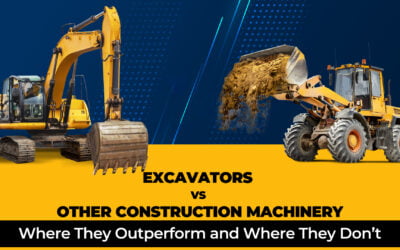
Construction Excavators vs. Other Machinery: Where They Outperform and Where They Don’t
Choosing the right equipment is critical to the success of any construction project. While construction excavators are widely used for their...


In 2025, sustainability has become a central pillar of innovation for manufacturers of heavy construction machinery. With growing pressure from regulatory bodies, contractors, and environmentally conscious clients, the industry is undergoing a major transformation. From electric and hybrid equipment to green manufacturing practices and circular economy models, construction machinery manufacturers—including the best excavator manufacturers—are reengineering their operations and products to align with global sustainability goals. This shift is not only about reducing emissions but also about enhancing efficiency, lowering operating costs, and securing long-term competitiveness in an evolving construction landscape.
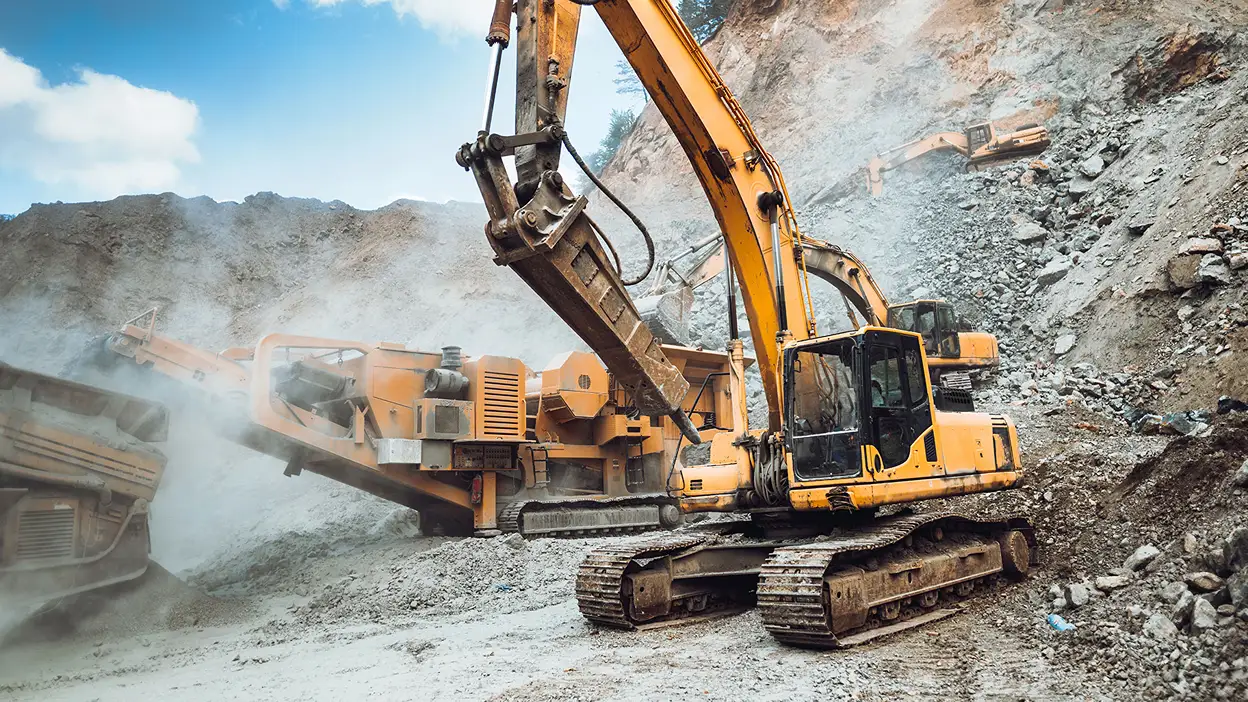

Heavy construction machinery manufacturers are facing increasing pressure to adopt sustainable practices as the industry undergoes a major environmental and economic shift. Traditionally, construction equipment has been a significant contributor to greenhouse gas emissions, high fuel consumption, and noise pollution. From diesel-powered excavators to oversized earthmovers, the environmental footprint of legacy equipment is no longer acceptable in today’s regulatory and public opinion climate.
The rising cost of fuel is another critical factor pushing construction machinery manufacturers toward greener solutions. As global fuel prices continue to fluctuate, contractors are seeking machinery that delivers better fuel economy without compromising on power or productivity. This demand is placing pressure on excavator manufacturers and other equipment producers to invest in hybrid and electric technologies, as well as fuel-efficient hydraulic systems.
Environmental, Social, and Governance (ESG) mandates are also reshaping the development of infrastructure. Many government-backed and large-scale private construction projects now require machinery that meets green certification standards. As a result, even the best excavator manufacturers are prioritizing compliance with Tier 4 Final and Stage V emission standards, while also promoting their role in supporting low-carbon construction practices.
Additionally, there is a growing preference among contractors and public agencies for equipment that aligns with their sustainability goals. Whether it’s reducing idle time through automation, using biodegradable hydraulic fluids, or integrating telematics to optimize usage, the push for eco-friendly machinery is now a decisive factor in purchasing decisions. Heavy construction machinery manufacturers that proactively address these concerns are setting the standard for a cleaner, more efficient future in 2025 and beyond.
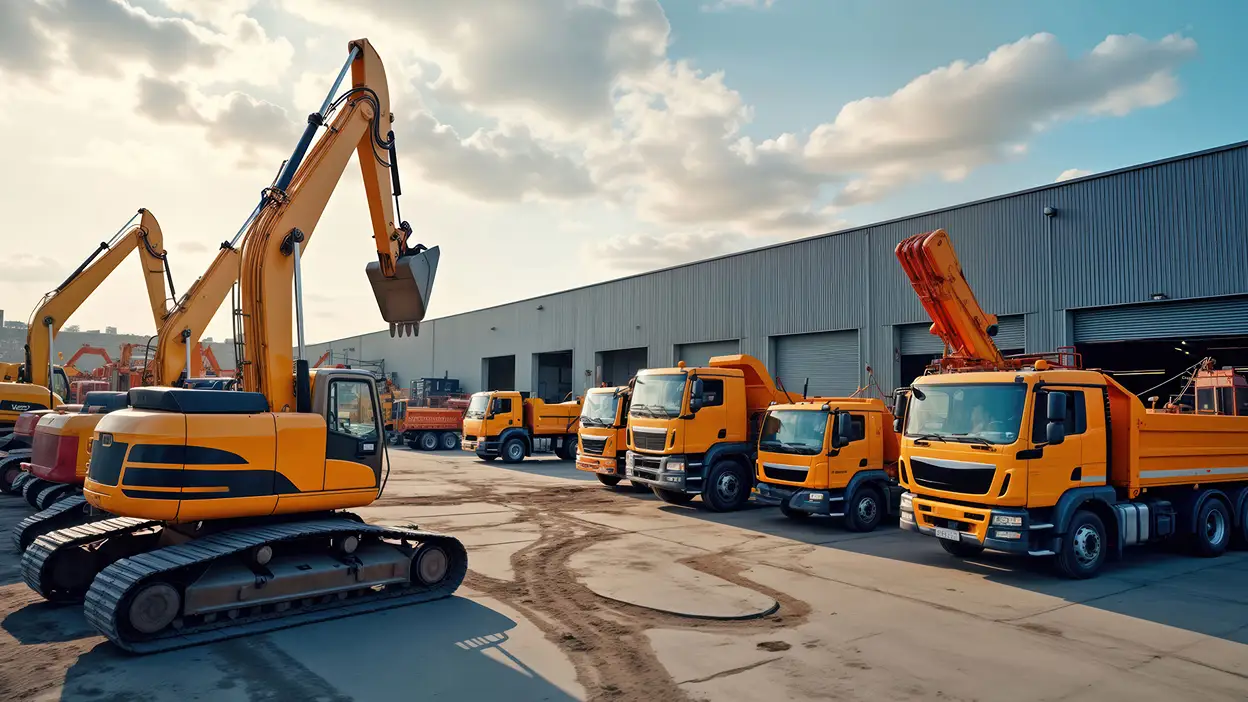
In 2025, heavy construction machinery manufacturers are making bold strides toward sustainability by overhauling their production methods. A key focus is the use of recycled and low-impact materials in the design and assembly of machinery. From reprocessed steel components to biodegradable lubricants, construction machinery manufacturers are reevaluating their raw material sourcing to minimize environmental impact without compromising durability or performance.
Factory operations themselves are becoming greener. Many leading excavator manufacturers are investing in renewable energy sources, such as solar-powered production lines, to reduce their carbon footprint. Water recycling systems and closed-loop cooling processes are also being implemented to minimize industrial waste. Lean manufacturing, which emphasizes efficiency and waste reduction, is becoming standard practice across the industry.
One standout example is Volvo Construction Equipment (Volvo CE), one of the world’s leading excavator manufacturers. Their climate-neutral plant in Sweden demonstrates how sustainability can be embedded into every layer of production. This facility operates using 100% renewable energy and integrates smart logistics and automation to minimize emissions and energy consumption.
Lifecycle assessments are also gaining prominence among manufacturers of heavy construction machinery. By evaluating the environmental impact of a machine from design to disposal, companies are optimizing their equipment for sustainability. Many are now designing machines for disassembly, which allows for easier recycling of components and reduces landfill waste at the end of a machine’s service life.
Through these practices, construction machinery manufacturers are not only reducing their environmental impact but also setting new industry benchmarks for responsible, future-forward manufacturing.
Electrification is rapidly transforming the construction equipment landscape, with heavy construction machinery manufacturers leading the charge toward cleaner, more efficient machinery. The rise of electric excavators, wheel loaders, and compact machines marks a pivotal shift away from diesel dependency. Construction machinery manufacturers are increasingly launching electric variants of their most popular models, targeting urban and indoor job sites where zero-emission requirements are becoming standard.
Hybrid technologies are also gaining momentum. These systems combine diesel engines with electric motors to significantly reduce fuel consumption while maintaining the same level of performance that operators expect. This approach allows excavator manufacturers to offer more energy-efficient machines without compromising digging power or hydraulic output.
Battery technology has advanced to the point where electric and hybrid machines now deliver extended runtimes, faster charging, and improved thermal management. The latest models can operate for a full shift on a single charge, making them viable alternatives to traditional equipment in demanding environments.
Leading the way are some of the best excavator manufacturers, including Komatsu and Caterpillar. Komatsu’s hybrid excavators utilize regenerative braking and an electric swing motor to reduce fuel usage and emissions. Caterpillar, on the other hand, is testing electric prototypes designed for zero-emission performance in tight urban spaces and environmentally sensitive areas.
The benefits of these innovations are clear. Electrified and hybrid equipment produce zero emissions at the point of use, significantly reduce onsite noise pollution, and often require less maintenance due to fewer moving parts. As a result, heavy construction machinery manufacturers are not only helping contractors meet environmental regulations—they’re also enhancing operational efficiency and job site comfort.

Heavy construction machinery manufacturers are integrating advanced automation and smart technologies to drive efficiency and sustainability across job sites. Artificial intelligence (AI), machine learning, and telematics are being used to monitor real-time engine performance, track machine health, and optimize fuel consumption. These intelligent systems enable construction machinery manufacturers to provide equipment that can self-diagnose issues, suggest maintenance, and minimize unnecessary fuel consumption.
One of the most significant advancements is the deployment of autonomous and semi-autonomous machinery. These machines can perform repetitive tasks with minimal operator input, which helps reduce idle time, avoid human error, and improve overall productivity. Excavator manufacturers are increasingly adopting this technology to ensure precision digging, grading, and loading with minimal environmental disruption.
Industry leaders like Hitachi and Doosan are setting benchmarks in smart construction. Hitachi’s ICT-enabled machinery offers real-time data connectivity and control, streamlining operations and improving resource efficiency. Doosan’s Smart X-Center integrates fleet management, telematics, and remote diagnostics into a centralized platform, allowing project managers to oversee machine performance and job site emissions from anywhere.
With fewer emissions generated per task and optimized resource allocation, smart systems are becoming a key differentiator among the best excavator manufacturers. These technologies not only reduce the carbon footprint of heavy equipment but also support contractors in meeting increasingly stringent sustainability targets without compromising output or reliability. As a result, automation is emerging as a cornerstone of innovation for forward-thinking manufacturers of heavy construction machinery.
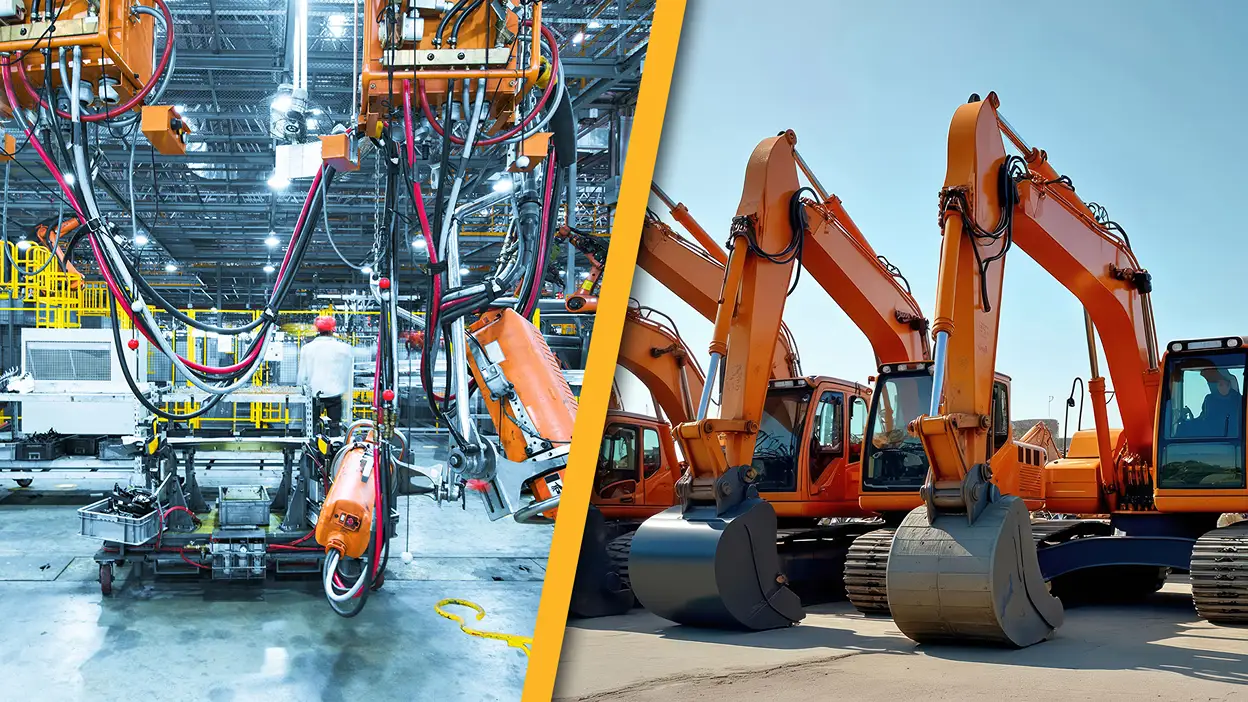
To further their commitment to sustainability, heavy construction machinery manufacturers are increasingly turning to remanufacturing and lifecycle extension strategies. Rather than scrapping aging machines, many construction machinery manufacturers now refurbish and rebuild older equipment, giving it a new lease of life. This approach not only reduces landfill waste but also minimizes the demand for new raw materials, such as steel, aluminum, and rare earth elements.
Through manufacturer-run programs, certified used and remanufactured machines undergo rigorous testing, are updated with the latest components, and are backed by warranties comparable to those of new equipment. These initiatives enable excavator manufacturers to offer reliable, cost-effective alternatives that perform nearly as well as factory standards while significantly reducing the carbon footprint associated with new production.
Caterpillar’s Reman Program is a standout example, offering remanufactured engines, transmissions, and hydraulic components across their heavy equipment range. Similarly, JCB operates dedicated refurbishing plants where machines are disassembled, rebuilt, and returned to optimal working condition. These programs are gaining traction among contractors seeking both sustainability and budget efficiency.
For buyers and operators, the benefits are substantial. Remanufactured equipment often comes at a lower upfront cost, requires fewer new materials, and contributes to a circular economy. Heavy construction machinery manufacturers that adopt this model are reinforcing their role as environmentally responsible leaders, particularly among the top excavator manufacturers, while meeting the growing market demand for affordable and sustainable machinery solutions.
As environmental regulations tighten and fuel efficiency becomes a top priority, manufacturers of heavy construction machinery are accelerating their adoption of sustainable fuels and alternative power sources. Traditional diesel engines are being supplemented—or even replaced—by cleaner options such as biodiesel, Hydrotreated Vegetable Oil (HVO), and hydrogen power. These fuels significantly reduce carbon emissions and particulate matter, making them a viable solution for companies seeking to meet stringent environmental standards without compromising performance.
Construction machinery manufacturers are also exploring cutting-edge energy technologies to future-proof their fleets. Fuel cells and hybrid-hydraulic drives are emerging as promising alternatives, offering longer runtimes and faster refueling compared to conventional battery-powered systems. These innovations aim to bridge the gap between zero-emission goals and the power demands of heavy-duty applications.
Leading excavator manufacturers are already taking bold steps in this direction. Liebherr, for example, is conducting extensive trials on hydrogen combustion engines designed for high-load equipment, showcasing the potential of clean-burning hydrogen in real-world construction environments. Sany, one of the leading excavator manufacturers in the global market, has introduced multiple initiatives aimed at integrating green power technologies into its heavy equipment lineup.
The shift toward sustainable fuels not only helps reduce greenhouse gas emissions but also supports energy diversification in the construction sector. By embracing alternative power sources, heavy construction machinery manufacturers are positioning themselves at the forefront of a more resilient, eco-conscious future in equipment development.
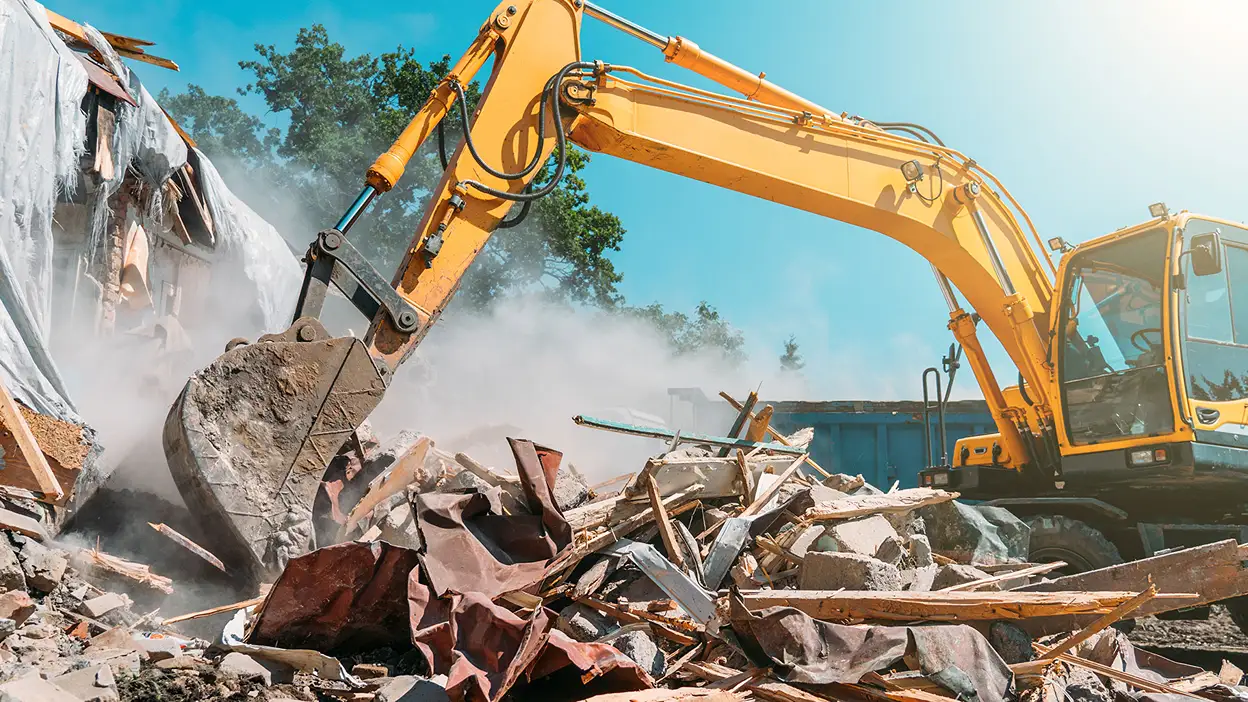
Heavy construction machinery manufacturers are increasingly forming strategic partnerships with contractors to advance sustainability goals on modern job sites. These collaborations are built around shared carbon reduction targets, with manufacturers providing tailored equipment solutions that meet specific emission benchmarks. By working closely with construction firms, machinery providers can ensure their latest technologies, such as electric, hybrid, and telematics-enabled machines, are integrated effectively into low-impact workflows.
One innovative trend gaining momentum is Equipment as a Service (EaaS). Rather than owning large fleets, contractors can now lease or rent machinery on demand, allowing for more efficient fleet right-sizing and reduced idle equipment. This model not only lowers operational costs but also contributes to a smaller carbon footprint by ensuring machines are used only when needed. Construction machinery manufacturers offering EaaS are helping clients adapt to dynamic project needs while advancing their ESG performance.
Smart fleet planning is another area where excavator manufacturers are adding value. By analyzing data on usage patterns, terrain conditions, and fuel efficiency, manufacturers can help contractors select the most suitable equipment mix. This approach minimizes redundancy, enhances productivity, and ensures the most eco-efficient machines are deployed at each project stage.
Volvo Construction Equipment stands out for its partnerships with major contractors on low-emission job sites. By combining battery-electric equipment with site-wide monitoring systems, Volvo is enabling measurable carbon savings while maintaining high operational performance.
These integrated efforts reflect a broader industry shift, with the best excavator manufacturers and heavy construction machinery manufacturers moving beyond product delivery to become active partners in sustainable project execution.
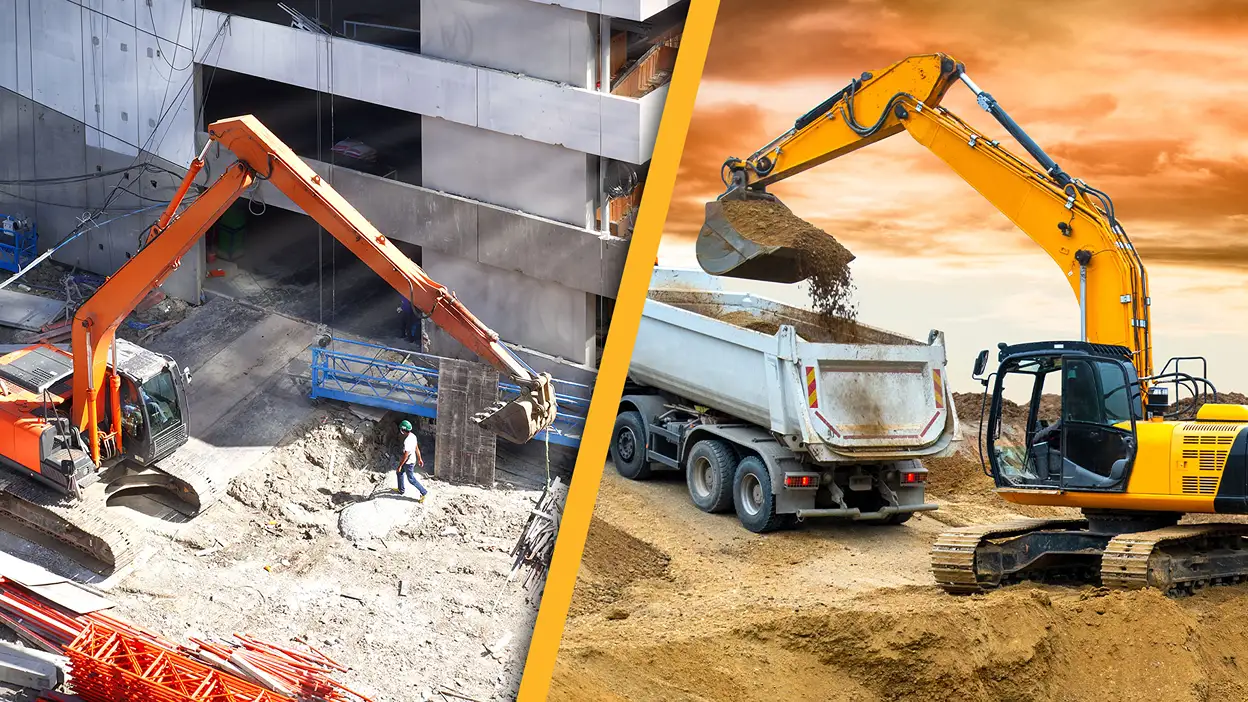
While sustainability is a clear priority, heavy construction machinery manufacturers face significant challenges on the path to a greener future. One of the biggest hurdles is the high cost of research and development required to bring electric and alternative-fuel equipment to market. Developing robust, high-performance machines that match or exceed traditional diesel capabilities demands substantial investment—an effort that not all construction machinery manufacturers can afford at scale.
The supporting infrastructure also remains a bottleneck. Unlike conventional fuels, electric and hydrogen-powered machinery depend on access to specialized charging stations and refueling hubs. In many regions, especially in remote or underdeveloped areas, this infrastructure is either limited or completely absent. This lack of accessibility restricts the widespread adoption of next-generation machinery, particularly among contractors working in diverse geographical environments.
In addition, regional disparities in environmental regulations create further complexity for excavator manufacturers. While some countries and municipalities enforce strict emissions laws and incentivize the use of green equipment, others lag in policy enforcement or provide minimal support for sustainable transitions. This inconsistency makes it challenging for even the most experienced excavator manufacturers to standardize their product offerings globally or accurately predict market demand.
Despite these challenges, heavy construction machinery manufacturers continue to innovate, striking a balance between cost, performance, and compliance as they work toward developing scalable, environmentally responsible solutions.
By 2030, the construction industry is expected to undergo a profound transformation, with heavy construction machinery manufacturers playing a pivotal role in reshaping operational norms. One of the most anticipated shifts is the mainstream adoption of fully electric fleets, particularly for urban infrastructure projects where zero-emission requirements, noise restrictions, and sustainability mandates will become standard. Construction machinery manufacturers are already preparing for this transition by expanding their electric offerings across excavators, loaders, and compact equipment.
Governments around the world are also expected to implement more stringent emissions legislation, pushing manufacturers to accelerate innovation. From Europe’s tightening carbon benchmarks to North America’s evolving EPA standards, heavy equipment must meet increasingly rigorous environmental criteria. In response, leading excavator manufacturers are investing in advanced technologies that go beyond compliance, delivering both ecological and economic benefits.
Another trend on the horizon is the integration of circular economy principles into equipment design and production. Instead of linear manufacturing models, heavy construction machinery manufacturers will increasingly prioritize modular components, recyclable materials, and built-in remanufacturing paths. This approach not only conserves resources but also opens new revenue streams through take-back programs and certified rebuilds.
Looking ahead, the best excavator manufacturers will evolve beyond their traditional roles to become full-spectrum sustainability partners. From equipment design and fleet optimization to end-of-life recycling and emissions tracking, manufacturers will offer comprehensive services that help contractors meet environmental, social, and operational goals. As a result, heavy construction machinery manufacturers will not just build machines, but also enable the future of sustainable construction.

As the world moves toward a cleaner and more efficient future, heavy construction machinery manufacturers are stepping up as key enablers of sustainable infrastructure. Through electrification, smart systems, green partnerships, and remanufacturing, these companies are redefining what it means to build responsibly. While challenges such as high R&D costs and infrastructure gaps persist, the industry’s commitment to innovation is unwavering. By 2030, construction machinery manufacturers will not only be equipment providers—they will be strategic sustainability partners driving environmental progress across global job sites.
Get in touch with us now!
Choosing the right equipment is critical to the success of any construction project. While construction excavators are widely used for their...

Excavators have long been the backbone of earthmoving operations, valued for their digging precision, reach, and raw lifting power. But in today’s...

When it comes to keeping excavation projects on schedule, having the right parts for the right equipment is non-negotiable. For procurement teams...