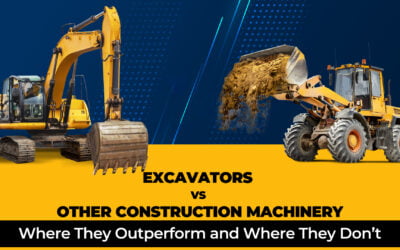
Construction Excavators vs. Other Machinery: Where They Outperform and Where They Don’t
Choosing the right equipment is critical to the success of any construction project. While construction excavators are widely used for their...

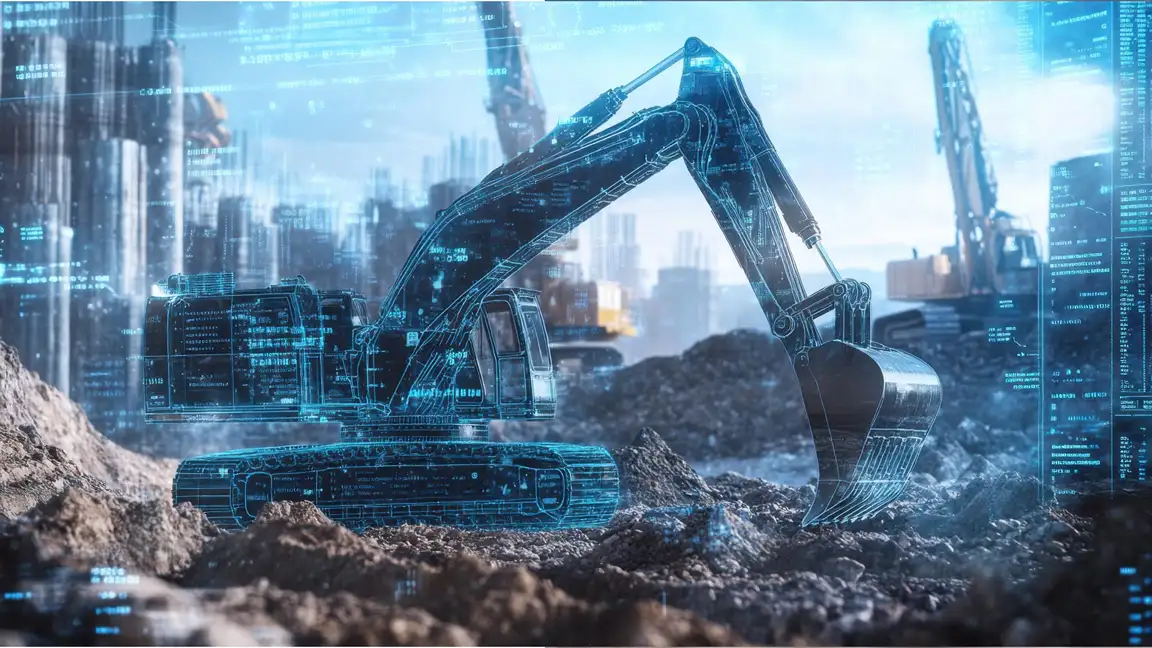
The construction industry is changing fast, driven by technology, sustainability and the need for efficiency. As a result, major excavator manufacturers are adapting to the changes and meeting the needs of construction professionals everywhere. From compact and versatile equipment to digital integrations, excavator production is undergoing a big transformation that is shaping the construction and mining equipment industry. Leading excavator manufacturers now offer a comprehensive range of equipment to meet the diverse needs of the construction sector.
Several key trends are shaping how mini excavator, excavator bucket and excavator parts manufacturers innovate, produce, and compete in the market. These trends are not just changing how companies like Hitachi Construction Machinery Americas are manufacturing construction equipment, but also how businesses adapt to changing customer needs and regulations.
Sustainability, automation, and intelligent technology are driving the industry forward, so excavator manufacturers prioritize efficiency, durability, and cost-effectiveness. Additionally, advancements in excavator attachments, foresty equipment and parts manufacturing enable construction professionals to maximize productivity while reducing operational costs.
Understanding these industry-defining trends is crucial for construction companies, contractors, and suppliers looking to stay ahead in a highly competitive global market.


The construction equipment industry is a cornerstone of modern infrastructure development, playing a pivotal role in building everything from skyscrapers to highways. Its significance extends across the entire construction sector, enabling efficient project execution and supporting the growth of mining operations and infrastructure development. This industry encompasses a wide range of machinery, including wheeled excavators, cranes, bulldozers, wheel loaders and more, all essential for various construction projects. The demand for construction equipment is driven by the need for efficient, reliable, and versatile machines that can handle the complexities of modern construction tasks. Premium construction equipment like backhoe loaders, skid steer loaders and hydraulic excavators simply help jobs get finished fast.
In recent years, the construction equipment industry has seen significant advancements, particularly in the realm of excavators. These machines have evolved to meet the growing demands of urbanization, sustainability, and technological integration. As cities expand and infrastructure projects become more intricate, the need for advanced construction equipment has never been greater.
Several key trends are shaping the future of the construction equipment industry:
By staying ahead of these trends, the construction equipment industry is poised to continue its growth and innovation, meeting the evolving needs of construction professionals worldwide.
The future of excavation is being reshaped by automation and artificial intelligence, with excavator manufacturers leveraging these technologies to enhance efficiency, precision, and safety. AI-driven excavators are now equipped with machine learning algorithms that analyze terrain conditions, optimize digging patterns, and reduce fuel consumption. These advancements significantly improve project timelines while minimizing human errors.
One of the most groundbreaking developments is the rise of autonomous and semi-autonomous excavators, which reduce the need for manual operation in hazardous environments. These intelligent machines utilize advanced sensors, LiDAR, and GPS technology to navigate worksites, perform excavation tasks with minimal human intervention, and adjust operations in real time based on environmental conditions. As automation continues to evolve, mini excavator manufacturers are also integrating AI capabilities into compact models, making them more adaptable for urban and small-scale projects.
The integration of the Internet of Things (IoT) is revolutionizing excavators’ operations, providing real-time data insights that improve efficiency and reduce operational downtime. Excavator manufacturers are embedding IoT sensors and telematics systems into their machines, allowing construction companies to track fuel usage, engine performance, hydraulic pressure, and other critical metrics remotely. This connected technology enhances decision-making by providing predictive maintenance alerts, reducing unexpected breakdowns and costly repairs.
For excavator bucket manufacturers and excavator parts manufacturers, IoT-enabled equipment is opening new opportunities for smarter, more durable components. Intelligent attachments equipped with sensors can provide data on wear and tear, ensuring timely replacements and improving overall machine performance. By adopting IoT-driven excavator solutions, businesses can enhance productivity, lower maintenance costs, and optimize project execution.
As technology continues to drive the evolution of excavator design, AI and IoT integration are becoming essential elements in creating more intelligent, efficient, and cost-effective excavation solutions. IoT integration also enables manufacturers to offer related services such as predictive maintenance, remote diagnostics, and enhanced after-sales support, further meeting customer needs beyond equipment sales.

As sustainability becomes a core focus in the construction industry, excavator manufacturers are accelerating the shift toward electric and hybrid models. Leading the charge in this transformation are mini excavator manufacturers, who are pioneering eco-friendly solutions for urban construction projects where low emissions and reduced noise levels are essential. Electric mini excavators are gaining popularity due to their ability to operate in noise-sensitive areas, such as residential neighborhoods and indoor job sites, without compromising on power or performance.
Beyond mini excavators, full-sized electric and hybrid excavators are also making their way into mainstream construction. These machines help reduce reliance on fossil fuels, lowering operational costs while significantly decreasing carbon footprints. Hybrid models, which use a combination of battery power and traditional fuel sources, provide an optimal balance between sustainability and efficiency, ensuring longer runtimes and enhanced productivity.
In addition to electric and hybrid options, manufacturers are also investing in natural gas engines and industrial gas turbines as alternative sustainable power solutions for construction and mining equipment. These technologies offer efficient, environmentally friendly performance and further demonstrate the industry’s commitment to innovation and reduced emissions.
Sustainability isn’t just about reducing emissions; it also extends to component manufacturing. Excavator parts manufacturers are now prioritizing recyclable materials and developing longer-lasting parts to minimize waste. High-durability components, made from advanced alloys and reinforced polymers, ensure that excavators remain in service for longer periods, reducing the need for frequent replacements.
Additionally, the industry is embracing remanufacturing processes, where worn-out parts—such as hydraulic components, excavator buckets, and other spare parts—are refurbished and restored to optimal condition. Refurbishing and reusing spare parts not only significantly cuts down on resource consumption but also offers construction companies a cost-effective and environmentally friendly alternative to purchasing new parts. Excavator bucket manufacturers are also focusing on sustainable designs, incorporating wear-resistant materials that extend the lifespan of attachments while maintaining high performance in demanding job site conditions.
Beyond the machines themselves, excavator manufacturers are adopting greener manufacturing processes to reduce their environmental impact. Many manufacturers are implementing energy-efficient production methods, such as solar-powered facilities, optimized supply chains, and water recycling systems. By reducing energy consumption and minimizing waste during production, companies are aligning with global sustainability goals while maintaining high-quality equipment standards.
Another major initiative is sustainable sourcing of raw materials, with manufacturers shifting toward ethically sourced metals and eco-friendly alternatives. These steps not only help reduce the industry’s carbon footprint but also contribute to a more responsible and environmentally conscious approach to heavy equipment manufacturing. Being recognized as a national high tech enterprise further demonstrates a company’s commitment to innovation and sustainable manufacturing, reflecting official recognition for advancements in R&D and modern industrial development.
As regulations surrounding emissions and sustainability tighten worldwide, the adoption of electric excavators, recyclable components, and eco-friendly manufacturing practices is set to become a defining trend in the excavator industry.
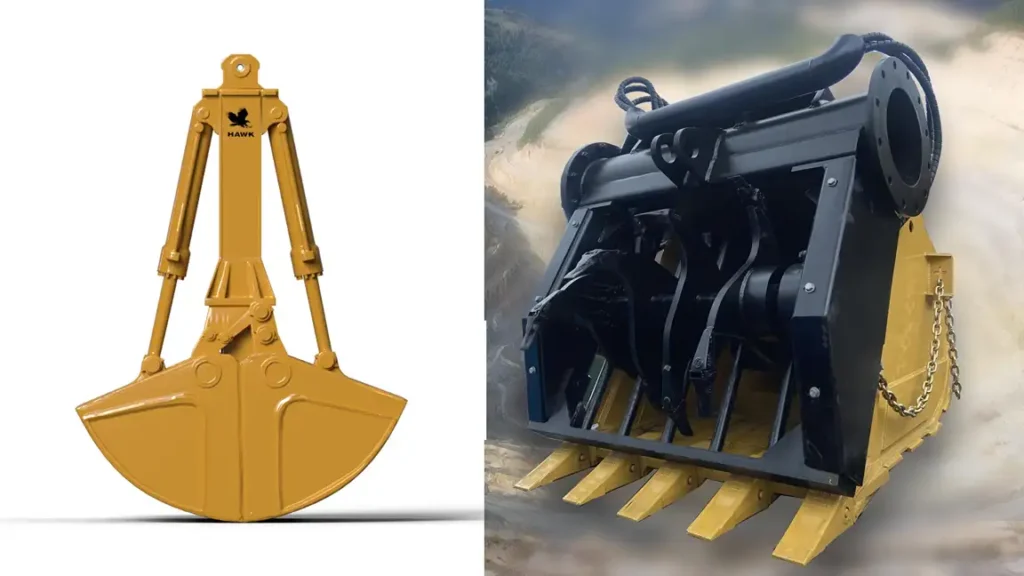

The demand for specialized excavation equipment continues to rise, prompting excavator bucket manufacturers to develop more advanced and application-specific attachments. Traditional one-size-fits-all buckets are being replaced with purpose-built solutions designed for tasks such as rock excavation, trenching, grading, and material handling. These specialized buckets enhance efficiency, allowing construction professionals to achieve better precision and productivity in challenging conditions. As an example of innovation in bucket and attachment design, the development of the short rear swing excavator by KOBELCO marked a significant advancement, enabling greater versatility and performance in confined spaces.
Durability is another critical focus in bucket innovation. Manufacturers are now utilizing high-strength, wear-resistant materials like reinforced steel alloys and composite coatings to extend the lifespan of excavator buckets. These advancements help reduce maintenance costs and downtime, making them a preferred choice for construction companies operating in demanding environments. Whether it’s high-impact rock buckets or precision trenching attachments, the latest designs are engineered to withstand extreme conditions while maintaining maximum efficiency.
As construction projects become more complex and varied, excavator manufacturers and excavator bucket manufacturers are witnessing a surge in demand for customized attachments. Contractors now require buckets tailored to their specific job site needs, whether for digging in compact urban spaces, handling abrasive materials, or improving cycle times in large-scale operations.
This growing demand has led to advancements in design flexibility, where manufacturers provide tailored solutions based on bucket size, teeth configuration, cutting-edge reinforcements, and quick-attach compatibility. The ability to customize buckets enhances overall machine performance, ensuring that contractors have the right tool for every excavation challenge.
One of the most significant innovations in excavation attachments is the development of interchangeable systems, which allow seamless integration of multiple buckets and tools. Quick coupler systems and hydraulic attachment interfaces enable operators to switch effortlessly between different buckets, reducing machine downtime and increasing job site efficiency.
These advancements benefit construction firms and impact excavator parts manufacturers. They now produce standardized coupling systems and reinforced components that ensure compatibility across different excavator models. Mini excavator manufacturers are also adopting interchangeable attachments to maximize the versatility of compact machines in urban and specialized construction applications.
By embracing customization and interchangeability, the excavator industry is meeting the evolving needs of construction professionals, ensuring they have access to high-performance, durable, and specialized excavation solutions for every project.
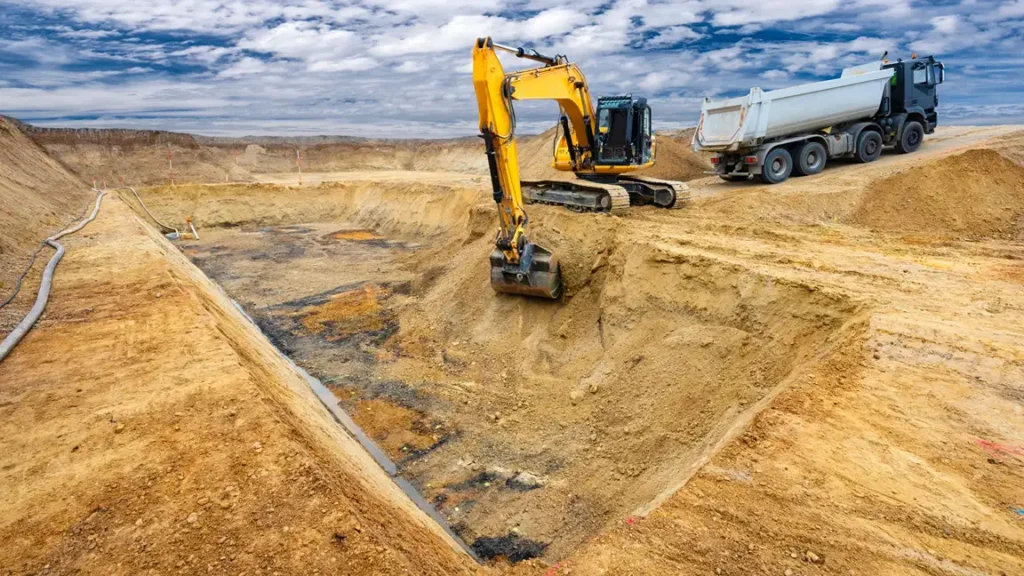
The global trend toward urbanization is driving a surge in demand for compact construction equipment, making mini excavator manufacturers a key player in the excavation industry. As cities expand and infrastructure projects become more confined, the need for smaller, more maneuverable machinery has never been greater. Mini excavators offer a practical solution for working in tight spaces where full-sized machines cannot operate efficiently, such as urban construction sites, residential developments, and utility installations. They are also essential for site preparation, efficiently clearing, leveling, and preparing land for building in urban construction projects.
Additionally, mini excavators are gaining popularity due to their lower operating costs and reduced environmental impact. Many excavator manufacturers are now designing compact models with electric and hybrid options, allowing construction firms to meet strict emissions regulations while maintaining high performance in urban environments. Their ability to navigate confined spaces without sacrificing power makes them indispensable in modern construction projects.
While traditionally seen as light-duty machines, mini excavators are evolving to rival their larger counterparts in capability. Mini excavator manufacturers continuously improve hydraulic systems, engine efficiency, and attachment versatility to enhance digging force, lifting capacity, and operational efficiency. Modern mini excavators now feature increased operating weight, advanced telematics, smart controls, and enhanced stability, making them more efficient and user-friendly for operators.
For excavator bucket manufacturers and excavator parts manufacturers, this growth has led to the development of high-performance attachments specifically designed for mini excavators. Heavy-duty digging buckets, grading buckets, and trenching tools are now being engineered to handle demanding tasks while maintaining the lightweight nature of compact excavators. This innovation ensures that mini excavators can tackle a broader range of applications while delivering precision and efficiency.
Beyond traditional construction sites, mini excavators are finding new applications in diverse industries, fueling their demand even further. Landscaping, agriculture, and specialty trades such as forestry and demolition are increasingly incorporating mini excavators into their operations. Additionally, mini excavators are being adapted as forestry equipment, supporting tasks like harvesting, logging, and forest management. Their ability to perform excavation, material handling, and land clearing tasks with minimal ground disturbance makes them an attractive option for projects requiring precision and versatility.
As more industries recognize the advantages of compact machinery, excavator manufacturers are expanding their mini excavator offerings to cater to these specialized needs. From farm operations requiring trenching and irrigation work to municipal projects demanding low-emission, noise-reducing equipment, mini excavators are proving to be an invaluable asset in various sectors.
With urbanization accelerating and industries seeking more efficient excavation solutions, the demand for mini excavators is expected to continue its upward trajectory, shaping the future of the construction and heavy equipment industry.

In an era of global disruptions, excavator parts manufacturers are taking proactive measures to enhance supply chain resilience. Recent challenges, such as raw material shortages, logistical delays, and geopolitical uncertainties, have pushed manufacturers to rethink their sourcing and production strategies. Many excavator manufacturers are now shifting toward localized production to reduce dependency on international suppliers and ensure a steady supply of critical components. At the same time, international trade continues to play a vital role in securing access to essential materials and components from global markets, supporting the overall stability of the supply chain.
Localized manufacturing improves reliability and minimizes transportation costs and lead times. By sourcing materials and producing parts closer to key markets, manufacturers can better manage supply chain risks while improving their ability to meet customer demand. This trend is particularly evident in the production of excavator attachments, where excavator bucket manufacturers prioritizeg regional supply chains to maintain consistent quality and availability.
As the demand for construction equipment continues to grow globally, regional manufacturing hubs are becoming essential for meeting localized market needs. The Asia-Pacific region remains a dominant force in excavator production, with China, Japan, and South Korea leading in technological advancements and cost-effective manufacturing. Meanwhile, North America and Europe are strengthening their manufacturing capabilities to reduce reliance on imports and improve service response times. There is also a growing manufacturing and market presence in North and Latin America, as companies expand their operational footprint and dealer networks to better serve clients across these regions.
This shift is particularly crucial for mini excavator manufacturers, as compact equipment is widely used in urban projects that require faster delivery and localized customization. By establishing production hubs in key markets, manufacturers can better accommodate regional regulations, customer preferences, and infrastructure development trends.
Additionally, manufacturers are investing in flexible production lines that allow them to quickly adapt to changing market demands. This adaptability enables companies to scale production efficiently, whether responding to increased demand for electric excavators or specialized attachments produced by excavator bucket manufacturers.
Technology is revolutionizing manufacturing processes. Excavator manufacturers are increasingly integrating digital tools to streamline operations and enhance efficiency. The adoption of artificial intelligence, cloud computing, and automation is optimizing production workflows, reducing downtime, and improving quality control. These advancements are also significantly improving the production of manufacturing equipment, enabling manufacturers to innovate and maintain high standards across construction, mining, recycling, and forestry sectors.
One of the most significant advancements is the use of digital twins—virtual replicas of manufacturing processes that allow manufacturers to simulate production, identify inefficiencies, and improve performance before implementing changes in real-world operations. This innovation is helping excavator parts manufacturers optimize material usage, enhance durability, and minimize waste.
Furthermore, real-time data analytics and IoT-enabled monitoring systems are improving supply chain visibility. These digital tools allow manufacturers to track inventory levels, predict maintenance needs, and ensure seamless production cycles. They enhance productivity and enable manufacturers to respond more effectively to fluctuating market demands and supply chain disruptions.
As the excavator industry navigates an evolving global landscape, resilient supply chains, regional manufacturing expansion, and digital transformation are becoming critical factors in maintaining competitiveness and ensuring long-term growth.
As construction projects become more demanding, excavator manufacturers prioritize operator well-being by enhancing cabin ergonomics and reducing fatigue. The latest excavator models feature redesigned operator stations with improved seating, intuitive controls, and reduced vibration levels to ensure long hours of comfortable operation.
Advanced suspension seats with lumbar support, climate-controlled cabins, and adjustable armrests are now standard in many excavator models, providing a more user-friendly experience. Additionally, mini excavator manufacturers are incorporating these ergonomic upgrades into compact machines, ensuring that operators working in confined spaces also benefit from enhanced comfort.
To further optimize performance, manufacturers are integrating joystick control systems with minimal resistance, touchscreen displays for simplified operation, and noise-reduction insulation. These refinements not only improve operator efficiency but also contribute to reducing the risk of repetitive strain injuries and long-term health issues.
With job site safety becoming a top priority, excavator manufacturers are equipping their machines with cutting-edge safety technologies designed to prevent accidents and enhance visibility. One of the most significant advancements is the integration of 360-degree cameras, which provide operators with a complete view of their surroundings, reducing blind spots and improving situational awareness.
Collision detection systems, powered by AI and proximity sensors, help prevent accidental impacts with structures, workers, and other equipment. These smart safety features are particularly beneficial in urban construction projects where space constraints increase the risk of collisions.
Additionally, enhanced LED lighting systems are improving visibility in low-light conditions, ensuring safer operation during night shifts and underground projects. Excavator parts manufacturers are also contributing to safety advancements by developing reinforced protective guards, anti-slip surfaces, and enhanced braking systems to minimize operational hazards.
For excavator bucket manufacturers, safety-focused innovations include the development of quick-attach coupler systems that allow for secure and efficient bucket changes without requiring manual intervention. These systems reduce the risk of injuries associated with attachment swaps, making equipment operation safer and more efficient.
By focusing on ergonomic designs and integrating advanced safety technologies, excavator manufacturers are creating a safer, more operator-friendly working environment. These innovations improve productivity and ensure that construction professionals can work with greater confidence and reduced risk.
In today’s fast-paced construction and mining environments, minimizing downtime is essential for maintaining productivity and profitability. Recognizing this, top excavator companies and leading excavator brands such as Hitachi Construction Machinery Americas, Caterpillar, and Komatsu have invested heavily in advanced customer support solutions. Many now offer 24/7 assistance, ensuring that operators and fleet managers can access expert help whenever issues arise on job sites.
A standout feature of modern support is remote diagnostics, powered by cutting-edge technology. Hitachi Construction Machinery, for example, equips its construction machinery with remote monitoring systems that track machine health, performance, and usage in real time. These systems enable rapid identification of potential problems, allowing service teams to troubleshoot and resolve issues before they escalate—often without the need for an on-site visit. This proactive approach keeps construction and mining operations running smoothly, reduces repair costs, and maximizes equipment uptime.
By leveraging advanced technology and round-the-clock support, top excavator companies are setting new standards for reliability and customer satisfaction in the construction and mining industries.
Proactive maintenance is a cornerstone of efficient operations in the construction and mining industries. Leading manufacturers of construction equipment, such as Volvo Construction Equipment and Liebherr, have developed comprehensive maintenance programs designed to keep machines running at peak performance. These programs typically include scheduled inspections, timely parts replacement, and regular software updates, all tailored to the specific needs of each job site.
By investing in proactive maintenance, companies can optimize fuel efficiency, extend equipment lifespan, and significantly reduce the risk of unexpected breakdowns. This not only lowers operating costs but also enhances job site safety and productivity. Manufacturers like John Deere and JCB further support their customers by offering operator training programs, empowering teams to perform routine maintenance and operate machinery more effectively.
With these robust support systems in place, construction and mining industries can focus on their core operations, confident that their equipment is backed by expert care and innovative service solutions.
The construction equipment industry is experiencing a wave of joint ventures and strategic alliances, as manufacturers seek to accelerate innovation and expand their global reach. Companies like Hyundai Construction Equipment (a leading international manufacturer) are at the forefront, partnering with technology leaders to develop advanced hydraulic systems and launch not only electric models but ones with natural gas engines that deliver superior fuel efficiency and environmental protection. These collaborations are not only enhancing the performance of construction machinery but also supporting the industry’s shift toward a more sustainable world.
Kobelco Construction Machinery, for instance, has joined forces with international partners to upgrade its manufacturing facilities and broaden its product portfolio, including the introduction of hybrid excavators. Similarly, Sany Heavy Industry and XCMG have formed professional manufacturer alliances to strengthen their positions in the mining equipment sector, leveraging shared expertise to improve manufacturing capabilities and deliver efficient machines to global customers.
Strategic partnerships are also driving the integration of advanced technologies into construction and mining equipment. Collaborations between established manufacturers and innovative startups are resulting in the adoption of autonomous operation, intelligent machine control, and advanced telematics across a diverse range of products. Caterpillar’s investments in industrial gas turbines, electric and hybrid powertrain companies exemplify this trend, as the brand works to reduce emissions and operating costs for its customers.
These industry partnerships are instrumental in the development of mini excavators, compact excavators, and other versatile machines that meet the evolving needs of the construction and mining industries. By pooling resources and expertise, top excavator companies are delivering exceptional value, supporting environmental protection, and ensuring that global customers have access to the most advanced, reliable, and sustainable construction equipment available.
The global excavator market is a vital segment of the construction equipment industry, driven by the demand for efficient and versatile machines in various sectors, including construction, mining, and forestry. As infrastructure projects proliferate worldwide, the need for reliable and high-performance excavators is on the rise.
The global excavator market is expected to experience significant growth in the coming years, fueled by increasing investments in infrastructure development, particularly in emerging economies. Countries in Asia, Africa, and Latin America are witnessing a surge in construction activities, driving the demand for excavators of all sizes.
The market is dominated by a few key players, including Hitachi Construction Machinery, Volvo Construction Equipment, and Caterpillar Inc. These companies are renowned for their innovative designs, robust performance, and commitment to sustainability. As leading manufacturers in the construction and mining industry, they offer a broad portfolio of products and solutions to meet diverse customer needs globally. Hitachi Construction Machinery, for instance, is known for its advanced hydraulic systems and durable components, while Volvo Construction Equipment is celebrated for its eco-friendly models and cutting-edge technology.
As the demand for construction equipment continues to grow, these industry leaders are expanding their product lines and investing in research and development to stay competitive. Their focus on innovation and customer satisfaction ensures that they remain at the forefront of the global excavator market.
Excavators are versatile machines used in a wide range of applications, from construction and mining to forestry and demolition. There is an extensive range of excavator types available, each serving as an essential construction machine designed to meet the specific needs of different industries. Among the various types of excavators, crawler excavators stand out for their stability, mobility, and efficiency.
Crawler excavators, equipped with tracks instead of wheels, are designed to handle challenging terrains and heavy loads. Their track system provides high stability and mobility, making them ideal for construction and mining projects. These machines are available in various sizes, from mini excavators to large excavators, each suited for specific tasks.
One of the biggest challenges facing excavator manufacturers in 2025 is the rising cost of raw materials. Steel, aluminum, and other essential metals used in heavy equipment production have experienced price fluctuations due to supply chain disruptions, geopolitical tensions, and increasing demand. This trend significantly impacts excavator bucket manufacturers and excavator parts manufacturers, as producing durable and high-performance components requires high-quality materials.
To counteract these cost increases, manufacturers are investing in alternative materials and advanced manufacturing techniques. High-strength alloys, composite materials, and 3D printing technology are being explored to reduce material waste while maintaining product durability. Additionally, many companies are focusing on supply chain resilience by sourcing raw materials locally or diversifying suppliers to avoid price volatility.
Stricter environmental and safety regulations are reshaping the way excavator manufacturers design and produce equipment. Governments worldwide are enforcing tougher emissions standards, requiring manufacturers to develop cleaner, more fuel-efficient machines. This shift is driving the growth of electric and hybrid excavators, particularly among mini excavator manufacturers, who are leading the push toward zero-emission construction equipment for urban projects.
Safety regulations are also becoming more stringent, pushing manufacturers to integrate advanced safety features such as automated emergency braking, collision detection, and enhanced visibility systems. While these regulations increase production costs, they also present an opportunity for innovation, allowing manufacturers to differentiate themselves with cutting-edge, compliant solutions that improve both environmental sustainability and operator safety.
Despite economic uncertainties, emerging markets offer significant growth potential for excavator manufacturers. Developing regions in Asia, Africa, and Latin America are experiencing a boom in infrastructure projects, increasing demand for reliable excavation equipment. The mining industry is also a key area of growth in these markets, with mining equipment manufacturers playing a crucial role in supplying specialized machinery for both surface and underground mining operations. Large-scale investments in roads, bridges, energy projects, and mining are driving the need for excavators of all sizes, from full-sized models to compact machines offered by mini excavator manufacturers.
Additionally, excavators are finding new applications in industries beyond traditional construction. Sectors such as agriculture, mining, and disaster recovery are increasingly relying on excavators for land preparation, material handling, and debris removal. Excavator buckets and parts manufacturers are also benefiting from this diversification, as specialized attachments and high-performance parts are required for these niche applications.
Excavator manufacturers can position themselves for long-term success in an evolving industry by navigating material cost challenges, adapting to evolving regulations, and seizing opportunities in growing markets.
The excavator industry is changing fast, driven by automation, IoT and sustainable engineering. Leading brands, including a British multinational corporation and a Japanese multinational corporation, are recognized as global leaders in the construction and mining equipment industry, known for their history, innovation, and international presence. Excavator manufacturers are introducing AI driven tech and digital solutions to make them more efficient, while mini excavator manufacturers are responding to urbanization with smaller, higher performance machines. Excavator bucket manufacturers and excavator parts manufacturers are developing special attachments and durable components to meet the growing demand for customisation and efficiency. The construction and mining industries play a crucial role in the evolution of excavator manufacturers, driving advancements in heavy equipment offerings such as excavators and machining services. As sustainability becomes the focus, electric and hybrid excavators, recyclable materials and green manufacturing processes are transforming how equipment is designed and built.
Despite the challenges of rising material costs and stricter regulations, there’s opportunity. Emerging markets, infrastructure development and multiple applications are driving demand for excavation equipment globally. These companies are recognized for their engineering excellence and construction excellence, setting benchmarks for innovation, quality, and sustainability. Manufacturers who innovate, adapt and prioritise sustainability will be competitive in this changing landscape. By embracing smart tech, eco friendly solutions and operator focused design enhancements, and by providing reliable machinery to meet the demands of modern construction projects, the excavator industry is set to grow and construction professionals will have the tools to work smarter, safer and more sustainably.

The industry is being driven by a combination of sustainability, automation, and intelligent technology. Manufacturers are increasingly integrating IoT-enabled equipment—like sensor-equipped attachments for wear monitoring—and AI-driven systems to enhance productivity. These innovations lead to improved durability, lower operational costs, and better performance across diverse applications.
Mini excavators are rising in popularity due to their compact form factor, enabling superior maneuverability in urban environments and confined job sites. Manufacturers have responded by designing specialized, high-performance attachments—such as grading buckets and trenching tools—that maintain efficiency while keeping the equipment lightweight and precise.
Excavator parts and bucket manufacturers are developing interchangeable attachments with standardized coupling systems. This allows quick and safe swapping between different tools (e.g., breakers, buckets, grapples), enabling operators to adapt machines on the fly and optimize workflow for diverse job demands.
Digital integration is transforming manufacturing through the adoption of IoT and sensor technologies. These smart attachments can monitor wear-and-tear in real time, signaling maintenance needs before breakdowns occur. This predictive approach not only improves machine uptime but also lowers lifecycle costs by preventing costly unexpected repairs.
Manufacturers are prioritizing sustainability by advancing eco‑friendly engineering, which includes developing hybrid and electric models, designing attachments for fuel efficiency, and incorporating recyclable or durable materials. This commitment supports construction firms that are increasingly seeking greener, more environmentally responsible solutions.
Get in touch with us now!
Choosing the right equipment is critical to the success of any construction project. While construction excavators are widely used for their...

Excavators have long been the backbone of earthmoving operations, valued for their digging precision, reach, and raw lifting power. But in today’s...

When it comes to keeping excavation projects on schedule, having the right parts for the right equipment is non-negotiable. For procurement teams...