Construction Excavators vs. Other Machinery: Where They Outperform and Where They Don’t
Choosing the right equipment is critical to the success of any construction project. While construction excavators are widely used for their...


The excavator undercarriage is the backbone of any excavator, playing a critical role in its overall functionality, durability, and performance. Often overlooked, the undercarriage ensures the machine’s stability, traction, and productivity, making it a key factor in achieving efficient operations across construction, mining, and other heavy-duty industries, especially within the broader construction industry where excavators are essential heavy equipment. Amphibious undercarriages extend already usable excavators, including mini excavators, mini machines, and skid steers, into the marine realm. Comprised of a complex system of excavator undercarriage parts produced by experienced manufacturers, each component works in harmony to support the machine’s weight and the smooth operation of machines in various applications, enable smooth mobility, and tackle challenging terrains. From the tracks and rollers to the sprockets, bushings—which connect track links and facilitate movement— and idlers, understanding how these undercarriage excavator parts operate can help enhance equipment longevity and reduce costly downtime. The crawler system’s movement is often compared to a caterpillar, illustrating its smooth, coordinated motion. When selecting track shoes, consider how steel and rubber materials perform on different terrains; for example, rubber track shoes may wear faster on abrasive surfaces, making surface type an important factor in equipment selection and maintenance.
In this blog, we’ll examine the key components of an excavator undercarriage and explain how they contribute to the machine’s optimal performance. Whether you’re a seasoned operator or a business owner, understanding the value of excavator undercarriage parts can empower you to maintain and protect your investment effectively. Having knowledge of undercarriage mechanics is crucial for enhancing equipment performance and longevity. Always choose parts that offer the best value for your equipment.
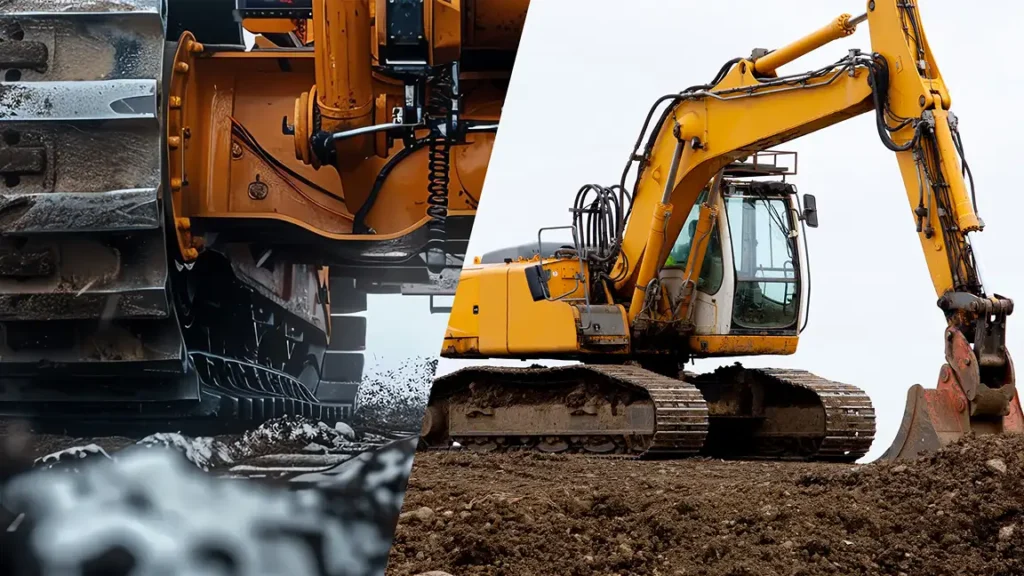

The excavator undercarriage forms the foundation of the machine, supporting its weight, providing stability, and enabling movement across various terrains. This essential system includes a range of parts, such as tracks, rollers, sprockets, and idlers, all of which work together to ensure the excavator operates smoothly and efficiently. In contrast to tracked undercarriages, wheels are used on some machines for improved mobility on hard, flat surfaces, while tracks offer better traction and stability on uneven or soft ground, making each system suitable for different terrains.
Primarily, the undercarriage supports the machine’s entire weight while also distributing it evenly, preventing excessive stress on specific areas. It plays a critical role in enabling movement, whether the excavator is maneuvering through loose soil, rocky surfaces, or steep slopes. The synergy of undercarriage excavator parts not only ensures traction but also contributes to the machine’s balance during heavy lifting and digging operations. Accurate reference information for parts, such as product listings and manufacturer codes, is essential, but always verify these details with a parts expert to avoid inaccuracies. Safety is also a key consideration in undercarriage design and maintenance, helping to protect both operators and equipment.
Proper maintenance of excavators’ undercarriage parts is crucial for ensuring optimal performance and longevity, making regular undercarriage maintenance routines essential. Regular inspections, cleaning, and timely replacement of worn-out components can prevent costly downtime and enhance the overall efficiency of your equipment. It is important to identify early signs of wear or damage on components like sprockets, pins, bushings, and track shoes to prevent larger issues. Understanding the function and maintenance of the excavator undercarriage is essential for maximizing the lifespan of your machine and ensuring seamless operations on the job site. When ordering or replacing parts, always rely on accurate data and verify that the information is complete and up to date to ensure reliability.
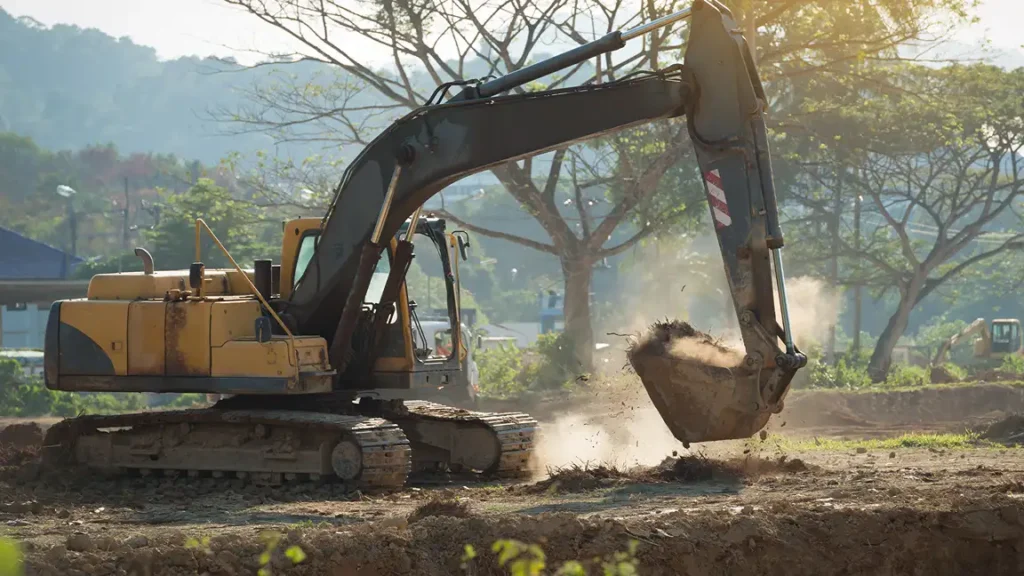
The excavator undercarriage comprises several key components, each crucial to ensuring the machine’s stability, mobility, and durability. By understanding these components and their functions, operators can effectively maintain their equipment and maximize its lifespan. Having a wide range of replacement parts available and keeping essential parts in stock ensures quick and efficient maintenance. Regular undercarriage maintenance is also vital for keeping it in top shape and maintaining the proper shape of the machine. Fast shipping of undercarriage components is important to minimize downtime and keep equipment running smoothly. Timely repair of worn or damaged parts helps prevent further issues and costly breakdowns. Operators should always follow the manufacturer’s guidelines for maintenance to ensure optimal performance. The effectiveness of maintenance is greatly improved by using high-quality maintenance products and tools.
The tracks are the most recognizable part of the excavator undercarriage and are vital for providing traction and stability. Tracks come in two main types:
Mini excavators and skid steers often use rubber tracks for their versatility in tight spaces.
Track wear patterns often indicate alignment issues or uneven terrain usage. Regular inspections and timely replacement of worn-out tracks can prevent costly downtime. Ensuring the right track type for your application is essential for maintaining performance and protecting other excavator undercarriage parts.
Track chains link the individual track links and are crucial for transmitting power from the drive sprocket to the tracks. Pins and bushings play a vital role in connecting the track links and facilitating smooth movement, with bushings also being subject to wear and requiring regular maintenance. This connection allows the excavator to move efficiently over various surfaces.
Proper lubrication and tensioning are key to maintaining track chains. Signs of wear include elongated pin holes, uneven links, or cracking. Regular maintenance of this vital undercarriage excavator part can help prevent premature failures.
Issues like oil leaks, uneven wear, or seized rollers can compromise the undercarriage’s performance. Frequent inspections and prompt replacement of faulty rollers ensure smooth operations and protect other undercarriage parts for excavators. Neglecting maintenance can lead to premature wear of rollers and related components, reducing their lifespan and overall functionality.
Idlers guide the tracks and maintain proper tension, reducing unnecessary strain on the track chains and rollers. There are two types of idlers:
Common signs of wear include excessive movement, noise, or misalignment. Keeping idlers in good condition ensures a longer lasting product.
The drive sprockets engage with the track chain to propel the excavator forward or backward. Certain drive sprocket designs, such as high drive, contribute to improved maneuverability over rough terrain by raising the drive sprocket, which enhances stability and navigation. Proper alignment between sprockets and the track chain is critical to prevent uneven wear and potential derailment.
Regular inspection for worn teeth, cracks, or misalignment can help maintain the longevity of these essential undercarriage excavator parts.
Track shoes provide the necessary grip to stabilize the excavator on different terrains. Available in various widths, they are selected based on application requirements:
Improper shoe selection or excessive wear can impact the overall performance and stability of the excavator undercarriage.
The tensioning mechanism ensures proper track tension, preventing derailment and reducing stress on the undercarriage parts for excavators. Most tensioning systems use grease-filled adjusters and recoil springs to maintain track alignment.
Regularly adjusting the tensioning mechanism is essential to avoid unnecessary wear on tracks and related components.
The undercarriage frame supports all components and maintains the structural integrity of the excavator’s undercarriage. Bottom guards protect critical parts from debris, rocks, and other impacts encountered during operations.
Inspecting and cleaning the frame and bottom guards regularly can help prevent damage and ensure the excavator’s optimal performance.

The excavator undercarriage operates as an integrated system, where each component works in harmony to ensure the machine’s stability, traction, and productivity. The synergy between tracks, rollers, sprockets, and idlers is critical to maintaining optimal performance and extending the excavator’s lifespan.

Proper alignment of undercarriage excavator parts is essential to avoid unnecessary wear and tear. For example, misaligned tracks can cause excessive stress on rollers and sprockets, leading to premature failures. Regular inspection, cleaning, and adjustment of the tensioning mechanism are key to maintaining the integrity of the excavator undercarriage. Lubrication of moving parts, timely replacement of worn components, and clearing debris from the undercarriage frame also contribute to smoother operations.
When the synergy between components is disrupted, several performance issues can arise:
When all excavator undercarriage parts are well-maintained and aligned, the machine delivers maximum efficiency, stability, and durability. Understanding the interplay between these components and promptly addressing issues ensures that the undercarriage performs reliably, even in the most demanding environments.


Proper maintenance of the excavator undercarriage is essential to ensure the machine’s efficiency, extend the lifespan of its components, and minimize costly repairs. By following these practical tips, operators can keep their excavator undercarriage parts in excellent working condition.
Debris, such as dirt, rocks, and mud, can accumulate on the excavator’s undercarriage, prematurely wearing critical components like rollers, sprockets, and track chains. Regularly cleaning the undercarriage, especially after working in muddy or sandy environments, prevents blockages and reduces unnecessary strain on the machine.
Conducting daily inspections is a vital step in maintaining the undercarriage excavator parts. Key areas to check include:
Identifying and addressing issues early can prevent minor problems from escalating into costly repairs.
Proper track tension is critical for the performance and longevity of the excavator undercarriage. Loose tracks can derail, while overly tight tracks increase stress on sprockets, rollers, and idlers. Follow the manufacturer’s guidelines to monitor and adjust track tension regularly, ensuring it’s optimal for the operating conditions.
Adequate lubrication is essential for the smooth operation of undercarriage excavator parts, such as rollers, idlers, and the tensioning mechanism. Neglecting lubrication can lead to increased friction, overheating, and component failure. Follow a consistent lubrication schedule using the recommended grease to maintain the health of moving parts.
Worn components, such as track shoes, rollers, or sprockets, can negatively affect the performance of the excavator undercarriage and cause additional wear on other parts. Replacing these components promptly reduces the risk of further damage and costly downtime. Always use high-quality undercarriage parts for excavators to ensure durability and compatibility.
Understanding the anatomy of an excavator or mini excavator undercarriage is essential for ensuring its efficiency, stability, and longevity. Each component, from tracks and rollers to sprockets and idlers, plays a vital role in maintaining optimal performance. Proper care and attention to excavator undercarriage parts enhance productivity and help avoid costly repairs and downtime. Regular maintenance, including cleaning, inspections, and timely adjustments, is key to extending the lifespan of undercarriage excavator parts. By monitoring wear patterns, maintaining proper track tension, and lubricating moving components, operators can keep their equipment running smoothly and reliably, even in the most demanding environments. We encourage you to inspect your excavator’s undercarriage regularly and address any signs of wear promptly. If replacements or upgrades are needed, consulting experts and investing in high-quality undercarriage parts will ensure your machine continues to perform at its best. Proper care of your undercarriage is an investment in your excavator’s efficiency and durability.

The undercarriage supports the entire weight of the machine, provides stability, and enables mobility across challenging terrains. It directly impacts performance, traction, and the overall lifespan of the excavator.
A quick visual inspection should be done daily, especially before and after use. A detailed inspection—including track tension and wear checks—should be performed every 250 operating hours or as recommended by the manufacturer.
Loose tracks may sag, derail, or slap the undercarriage during movement. Overtightened tracks can cause excessive wear, squeaking sounds, and difficulty during turns. Both conditions reduce component life.
Steel tracks are ideal for rough, uneven, or abrasive terrains like construction and mining. Rubber tracks are better for paved or sensitive surfaces, such as landscaping or urban work, but wear faster on coarse ground.
Track shoes, pins, bushings, and bottom rollers usually wear out first due to constant contact with the ground and heavy loads. Regular inspections help identify signs of early wear.
Yes. Misaligned tracks apply uneven pressure to sprockets, rollers, and chains, resulting in premature wear, poor machine handling, and an increased risk of track derailment.
Pins and bushings should be rotated when bushing wear reaches around 50% or when pitch elongation becomes noticeable (about 2%). This extends the chain’s life before full replacement is needed.
After each use—especially in muddy or rocky environments—clean debris, dirt, and rocks from between the track links and around rollers. Buildup accelerates wear and reduces performance.
Yes. Fast travel, sharp turns, and constant counter-rotation increase wear. Operating smoothly and avoiding abrasive conditions whenever possible will significantly extend undercarriage life.
If multiple components (track chains, sprockets, and rollers) are nearing the end of their service life, a full undercarriage replacement is often more cost-effective than ongoing part-by-part repairs.
Get in touch with us now!
Choosing the right equipment is critical to the success of any construction project. While construction excavators are widely used for their...

Excavators have long been the backbone of earthmoving operations, valued for their digging precision, reach, and raw lifting power. But in today’s...

When it comes to keeping excavation projects on schedule, having the right parts for the right equipment is non-negotiable. For procurement teams...