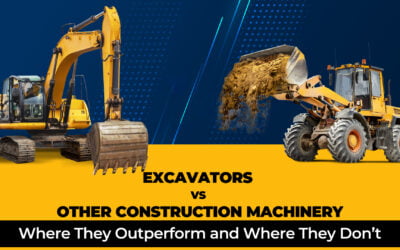
Construction Excavators vs. Other Machinery: Where They Outperform and Where They Don’t
Choosing the right equipment is critical to the success of any construction project. While construction excavators are widely used for their...

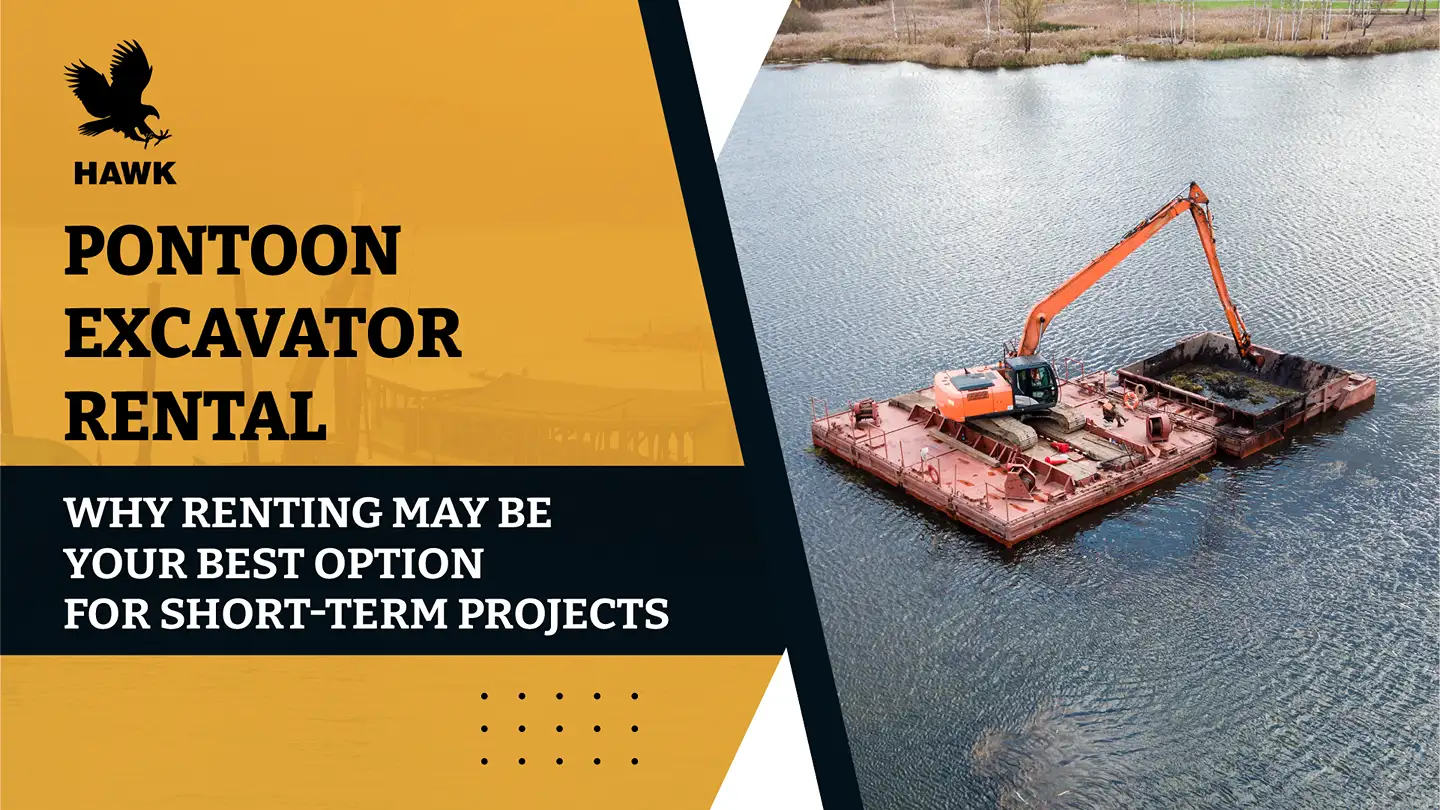
Pontoon excavators are indispensable for specialized projects that require high mobility and the ability to operate in challenging environments, such as wetlands, waterlogged areas, or flood zones. Whether you’re handling dredging operations, wetland restoration, or shoreline stabilization, renting a pontoon excavator can offer a cost-effective and flexible solution. In this blog, we’ll explore the key benefits of renting these machines for specific projects, highlighting how they can reduce costs, minimize environmental impact, and ensure that you have the right equipment for the job.


Pontoon excavators, while highly specialized and versatile, come with a significant upfront cost, making them a substantial investment for many businesses. For short-term projects, purchasing a pontoon excavator may not be a financially viable option, especially when considering the costs of storage, maintenance, and transportation.
Renting a pontoon excavator provides a more budget-friendly alternative. Rental fees are typically much lower than the purchase price, allowing businesses to allocate their capital to other necessary resources. Additionally, renting eliminates ongoing maintenance and storage fees associated with owning equipment that may only be needed for a limited period. By opting for a pontoon excavator rental, companies can avoid the high financial commitment of purchasing equipment that may sit idle after a single project.
When compared to the costs of purchasing, the savings can be significant. Not only is the initial investment for renting much lower, but businesses can also avoid long-term costs, such as insurance and storage space, which are typically required for ownership. This enables a more efficient allocation of funds, ensuring the project stays within budget while still having access to the necessary equipment.
Another key advantage of pontoon excavator rental is the flexibility it offers for short-term projects. These specialized machines are often required for specific tasks such as dredging in wetland areas or working in flooded zones, but their use may be limited to a few weeks or months. Purchasing a pontoon excavator for such short-term use can be inefficient, as the equipment would remain unused once the project is completed.
Renting a pontoon excavator offers the flexibility to pay only for the equipment during the project’s duration. This convenience enables businesses to utilize the machinery without the burden of ownership, allowing them to access the latest models with no long-term commitment. Whether you need a pontoon excavator for a one-time dredging job or a specialized environmental project, renting provides access to the right equipment when you need it, without worrying about the long-term costs associated with ownership.
Furthermore, renting pontoon excavators allows businesses to adjust their equipment needs on the fly. If a project expands or requires different equipment configurations, rental companies can provide the necessary adjustments quickly. This flexibility enables better project management, allowing businesses to stay agile and responsive to unexpected changes while keeping equipment costs under control.
By choosing a rental option, businesses can also avoid the complexities of maintaining a fleet of specialized equipment for infrequent use, ensuring they only pay for what they actually need.
Pontoon excavator rental pricing can vary significantly based on several factors. Rental companies typically offer pricing based on daily, weekly, and monthly rates, with longer rental periods offering reduced daily costs. Here’s a breakdown of typical rental pricing:
Several factors affect the pricing of pontoon excavator rental:
When renting a pontoon excavator, it’s important to understand that the base rental rate isn’t the only cost you’ll incur. Additional fees can impact the total rental cost:

Pontoon excavator rentals are ideal for projects in wet or marshy environments where traditional excavators may struggle. Common applications include:
Key site requirements to consider when selecting the right pontoon excavator include:
Choosing the right pontoon excavator model and attachments is crucial to ensuring the equipment meets your project’s needs. When selecting a model, consider the scope of work and environmental conditions. Smaller models are more agile and can be used in confined spaces, while larger models are better suited for deep-water or large-scale dredging tasks.
In addition to the base machine, consider the specific attachments required for your project. Common attachments for pontoon excavators include:


Renting a pontoon excavator typically involves a few key steps to ensure that the equipment meets your project’s needs. Here’s a step-by-step guide to the rental process:
A pontoon excavator rental agreement typically covers several aspects of the equipment’s usage, ensuring both parties are on the same page:
Before signing the rental agreement, ensure you thoroughly understand the terms. This includes reviewing the rental duration, payment schedules, and any penalties for late returns or damage. It’s also important to confirm what’s not included in the rental price, such as fuel costs, transportation fees, or special attachment charges, to avoid surprise expenses.
Pontoon excavators are large, specialized pieces of equipment that require careful logistics for transport to and from the job site. The process typically includes:
Proper site preparation is key to ensuring smooth operation once the pontoon excavator arrives. Here are some tips to help with setup:

When renting a pontoon excavator, it’s essential to understand the terms of maintenance and repairs outlined in the rental agreement. Most rental companies offer basic maintenance as part of the rental package, ensuring that the equipment remains in good working order throughout the rental period. This typically includes regular checks of the engine, hydraulics, and other key components, as well as minor repairs for wear and tear.
However, it’s crucial to clarify the specifics with the rental provider. In many cases, if the equipment is damaged due to improper use or neglect, the renter may be held responsible for repair costs. Be sure to discuss the conditions under which repairs will be covered and who will bear the costs of any damage that occurs during your rental period. Some rental companies may also offer extended maintenance or damage protection plans at an additional cost.
To minimize downtime and keep the equipment running efficiently, operators should adhere to best practices for equipment care. This includes:
By taking care of the equipment, you’ll not only reduce the risk of unexpected downtime but also extend the operational life of the pontoon excavator throughout the rental period.
Having a trained operator is crucial for the safe and efficient operation of a pontoon excavator. These machines are specialized and require knowledge of both general excavator operation and the specific challenges associated with working in aquatic or marshy environments. Trained operators are better equipped to handle the equipment, minimize risks, and optimize performance.
Many rental companies offer operator training as part of the rental agreement, especially if the equipment includes custom attachments or requires specialized knowledge to operate efficiently. The training typically covers:
If training is not included, some rental companies may recommend external training services or guide how to operate the equipment. It’s essential to ensure that operators are thoroughly briefed on the equipment before use to prevent accidents, downtime, or damage. Having a certified operator on-site can significantly improve project efficiency and reduce risks.
When deciding whether to rent or buy a pontoon excavator, consider the following:
Renting is the best option for:
Buying a pontoon excavator for sale is better suited for:
In short, rent for short-term or specialized needs and buy if you require frequent, ongoing access to the equipment.
Renting a pontoon excavator is particularly beneficial for short-term dredging operations, where mobilizing large, specialized equipment can be cost-prohibitive. Dredging projects often require high mobility and the ability to work in waterlogged or confined areas, making pontoon excavators the ideal solution. Renting provides access to these specialized machines without the hefty investment of purchasing, and it allows project managers to only pay for the equipment when it’s actively needed.
Wetland restoration projects require careful consideration of environmental impact, and renting pontoon excavators helps minimize this. These projects typically involve working in delicate ecosystems where the right equipment is crucial to avoid damage. Renting allows for the use of highly specialized equipment tailored to the site’s needs without the long-term commitment of ownership. It also ensures that the equipment is used only for the duration of the project, reducing its environmental footprint and associated maintenance costs.
Pontoon excavators offer flexibility for temporary flood control measures or shoreline stabilization projects. Renting allows companies to access the right equipment for these time-sensitive tasks without the burden of maintaining expensive machinery on a year-round basis. Whether it’s clearing debris or reshaping riverbanks, rental options provide the necessary equipment to address these challenges effectively, while ensuring that it’s only on-site for as long as needed, helping to keep costs in check.

Renting a pontoon excavator offers significant advantages for specific projects, such as dredging, wetland restoration, and flood control, providing flexibility, cost savings, and access to specialized equipment without the long-term commitment of ownership. Whether you’re looking to tackle temporary projects or need a reliable solution for unique environments, renting ensures you have the right tools for the job when you need them most. For your next project, explore the pontoon excavator rental options at HAWK Excavator and discover how we can support your project with the right equipment and expertise. Contact us today to learn more!
Get in touch with us now!
Choosing the right equipment is critical to the success of any construction project. While construction excavators are widely used for their...

Excavators have long been the backbone of earthmoving operations, valued for their digging precision, reach, and raw lifting power. But in today’s...

When it comes to keeping excavation projects on schedule, having the right parts for the right equipment is non-negotiable. For procurement teams...