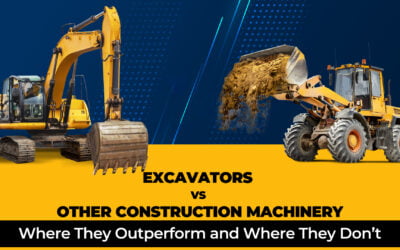
Construction Excavators vs. Other Machinery: Where They Outperform and Where They Don’t
Choosing the right equipment is critical to the success of any construction project. While construction excavators are widely used for their...


In recent years, the frequency and intensity of floods and natural disasters have been on the rise, causing widespread devastation to communities, infrastructure, and ecosystems. With climate change contributing to erratic weather patterns and rising water levels, disaster-prone regions face an increasing need for effective recovery solutions. The ability to respond quickly and efficiently in the aftermath of a flood is critical to mitigating damage, restoring essential services, and rebuilding affected areas.
One of the most effective tools in flood and disaster recovery efforts is amphibious excavator rental. Unlike traditional excavators, amphibious excavators are specifically designed and built to operate in flooded areas, swamps, swampy areas, and other waterlogged environments where standard equipment would struggle. These machines are built to handle swampy areas, wetlands, and other challenging terrains. Their ability to maneuver through deep water, unstable terrain, and soft ground makes them an essential asset for post-disaster cleanup, debris removal, and infrastructure restoration.
Finding an amphibious excavator rental near me can be a game-changer in emergency response efforts for organizations and government agencies involved in disaster recovery. These specialized machines provide a cost-effective solution without requiring the long-term investment of purchasing heavy equipment. Additionally, understanding amphibious excavator rental rates helps stakeholders budget efficiently for recovery projects while ensuring that the right equipment is available when and where it is needed most.


An amphibious excavator is a specialized piece of heavy machinery designed to operate in waterlogged and soft terrain conditions, such as swamps, marshes, and flood zones. Unlike standard excavators, which require stable, solid ground for efficient operation, amphibious excavators are engineered with pontoon-style undercarriages that allow them to float and maneuver in shallow water and unstable surfaces.
Amphibious excavators use their pontoon undercarriages to distribute weight evenly, preventing them from sinking into the mud or becoming stuck in floodwaters. They are also well-suited for working in environments with silty clay, where traditional excavators struggle. Their low-ground-pressure design allows for movement across swamps and marshy areas without excessive soil disruption. These excavators can also be equipped with additional spud poles or supplementary pontoons for greater stability in deeper water, making them a versatile solution for flood recovery and disaster management.

In the aftermath of floods and natural disasters, many areas become inaccessible due to standing water, washed-out roads, and unstable ground. Amphibious excavator rental provides a solution by enabling operators to work in submerged areas where traditional excavators cannot function. These machines are particularly effective in:
One key advantage of amphibious excavators is their superior stability in unstable environments. Thanks to their floating capabilities and extended track systems, they can move across flooded landscapes without sinking or tipping. This makes them indispensable for disaster recovery efforts in hurricane-affected areas, riverbanks, wetlands, and other flood-prone zones.
When disaster strikes, rapid response is crucial. Amphibious excavator rental services enable emergency teams to deploy equipment for essential recovery tasks such as: quickly
For contractors, municipalities, and disaster response teams looking for amphibious excavator rental near me, these machines offer an efficient and cost-effective solution for flood recovery. Additionally, understanding amphibious excavator rental rates allows project managers to budget effectively while ensuring they have the right equipment for the job.
During severe flooding and natural disasters, immediate action is necessary to minimize damage and save lives. Amphibious excavator rental plays a crucial role in rapid response efforts by providing heavy-duty equipment capable of navigating submerged and unstable terrains. Unlike standard excavators, which struggle in floodwaters, amphibious excavators can operate in waterlogged environments, making them highly effective for rescue missions and emergency operations. These machines are specifically designed to resist water ingress and maintain durability during contact with water or wet terrain, ensuring reliable performance in challenging conditions.
When disaster strikes, accessibility is a major challenge. Searching for an amphibious excavator rental near me ensures that emergency response teams have the right equipment to tackle floodwaters efficiently, clearing obstacles and restoring mobility in affected areas.

After floodwaters recede, massive amounts of debris—including fallen trees, wreckage, and mudslides—remain, obstructing roads, waterways, and lakes. Renting amphibious excavators is an effective solution for clearing disaster-stricken areas and restoring essential infrastructure.
Flood recovery efforts require heavy-duty machinery that can operate on soft, unstable ground. Renting an amphibious excavator ensures that cleanup operations proceed efficiently without the risk of equipment becoming stuck or inoperable in waterlogged areas; for municipal agencies and contractors looking to optimize disaster response budgets, understanding amphibious excavator rental rates helps in making cost-effective decisions while securing the necessary resources for large-scale recovery operations.
Beyond immediate flood recovery, amphibious excavator rental also plays a long-term role in preventing future disasters through effective water management and erosion control. Many flood-prone areas suffer from poor drainage and weakened embankments, increasing the likelihood of repeated disasters. By leveraging amphibious excavator rental, municipalities, and environmental agencies can take proactive measures to strengthen water infrastructure. Amphibious excavator rental is the top choice for municipalities and environmental agencies seeking reliable water management solutions.
For communities at risk of recurring floods, securing an amphibious excavator rental near me provides access to specialized equipment designed for working in challenging aquatic environments. Renting rather than purchasing this machinery also allows agencies and contractors to allocate budgets efficiently while benefiting from state-of-the-art flood mitigation technology.

Disaster recovery operations require specialized equipment that can navigate flooded areas and unstable terrain. However, purchasing an amphibious excavator outright can be a significant financial burden, especially for organizations that only need it for short-term use. Amphibious excavator rental provides a cost-effective alternative for governments, contractors, and disaster response teams by offering access to high-performance equipment without the high upfront investment.

Flood and disaster recovery requires immediate access to the right equipment. Waiting for equipment procurement can delay cleanup efforts, increasing the risk of further damage and public safety hazards. Amphibious excavator rental near me ensures that recovery teams can quickly deploy heavy-duty machinery where and when it is needed most. This enables rapid deployment and response in urgent situations.
Renting an amphibious excavator eliminates the burden of ongoing maintenance and repair costs. Disaster recovery teams can focus on cleanup and restoration efforts without worrying about equipment breakdowns.

Selecting the appropriate amphibious excavator rental model is essential for ensuring efficiency in flood recovery efforts. Different models are designed to handle specific tasks, from clearing debris to restoring waterways and reinforcing flood barriers. For marshland environments, specialized options like the Marsh Master, with its various models and available attachments for cutting, water buffing, and spraying, offer added utility and versatility.
Understanding amphibious excavator rental options allows contractors and response teams to choose the most efficient equipment for their specific needs. Selecting the right model ensures smoother operations and faster flood recovery.
Before finalizing an amphibious excavator rental, it’s essential to review rental rates and contract terms. Costs vary based on factors such as duration, equipment size, and additional services.
By understanding amphibious excavator rental rates, disaster recovery teams can budget effectively and ensure they have the right equipment for the job without unexpected costs.
Securing a dependable rental provider is crucial to ensuring smooth operations during flood recovery. Searching for amphibious excavator rentals near me can help identify local suppliers with readily available equipment and responsive service. Some of the most reputable amphibious excavator manufacturers are based in Louisiana, known for their expertise in wetland equipment.
As climate change intensifies, the frequency and severity of floods, hurricanes, and rising sea levels are increasing worldwide. Governments and disaster response agencies are adapting to these challenges by incorporating more advanced equipment into their recovery and mitigation strategies. Amphibious excavator rental is becoming a crucial component in flood response efforts, offering a practical and efficient solution for working in waterlogged areas and unstable terrains.
With extreme weather events becoming more unpredictable, more cities and municipalities are actively searching for amphibious excavator rental near me to ensure rapid deployment of the right equipment when disasters strike. The demand for amphibious excavator rental will continue to grow as disaster preparedness becomes a priority for infrastructure resilience and environmental management.
Amphibious excavator design and technology are continuously improving in the construction and dredging industries. Innovations are enhancing the efficiency, durability, and capabilities of these machines, making them even more effective in flood recovery and disaster management.
As amphibious excavator rental rates become more competitive and technology continues to evolve, more contractors and government agencies will turn to these machines as a standard solution for post-flood recovery and long-term disaster mitigation efforts.
The increasing threat of severe weather events has led to greater collaboration between governments, private contractors, and environmental agencies in flood mitigation and disaster response. Investing in amphibious excavator rental allows both public and private entities to work together on large-scale projects without the financial burden of equipment ownership.
As more entities recognize the importance of amphibious excavators in disaster recovery, searches for amphibious excavator rental near me will continue to rise. This will ensure that communities can quickly access the machinery needed to mitigate flood damage and restore critical infrastructure.
In an era of increasing climate-related disasters, amphibious excavator rental has become a game-changing solution for flood recovery and disaster management. These specialized machines provide unparalleled mobility and efficiency in waterlogged and unstable terrains. They are essential for clearing debris, restoring infrastructure, and preventing future flooding through proactive dredging and erosion control. With flexible amphibious excavator rental rates, governments, contractors, and relief organizations can access advanced equipment without the burden of ownership, ensuring rapid deployment when disasters strike. As technology advances and collaboration between public and private sectors grows, the demand for amphibious excavator rental will continue to rise, reinforcing their role as a critical tool in safeguarding communities against the devastating impacts of flooding and natural disasters.

Amphibious excavators are equipped with pontoon-style undercarriages, enabling them to float and operate in shallow water, swamps, and flood zones. Unlike standard excavators, which require solid ground, amphibious models distribute weight evenly to prevent sinking in soft terrain. This design makes them indispensable for flood recovery, wetland restoration, and other environments with waterlogged conditions.
Flooded areas are often inaccessible to conventional equipment due to unstable ground and submerged conditions. Amphibious excavators can maneuver in waterlogged zones to clear debris, repair levees, restore drainage systems, and support rescue missions. Their stability and mobility in unstable terrain make them one of the most reliable machines for emergency recovery efforts.
For most municipalities, contractors, and disaster relief agencies, renting is the more cost-effective option. Purchasing requires a significant capital investment, ongoing maintenance, and storage costs. Rental eliminates these expenses and provides flexibility—equipment can be scaled up or down based on the scope of recovery projects. Rental services also ensure rapid deployment and provide maintenance support.
Rental costs vary depending on the model size, duration of use, and additional services such as delivery, operator support, and fuel. Providers typically offer rates on an hourly, daily, weekly, or monthly basis. While larger excavators with extended reach are more expensive, they are better suited for major flood recovery efforts. Understanding amphibious excavator rental rates helps project managers budget effectively without unexpected costs.
A reliable provider should have a well-maintained fleet, proven experience in flood and wetland projects, and strong customer support. Key factors include equipment availability, quick deployment times, flexible rental terms, and technical assistance. Local providers are often the best option, as they reduce transportation delays and ensure rapid response in emergencies.
Get in touch with us now!
Choosing the right equipment is critical to the success of any construction project. While construction excavators are widely used for their...

Excavators have long been the backbone of earthmoving operations, valued for their digging precision, reach, and raw lifting power. But in today’s...

When it comes to keeping excavation projects on schedule, having the right parts for the right equipment is non-negotiable. For procurement teams...