
Excavator Hydraulic Pumps – From Earthmover to Pumping Powerhouse
Excavators have long been the backbone of earthmoving operations, valued for their digging precision, reach, and raw lifting power. But in today’s...


Choosing the right equipment is critical to the success of any construction project. While construction excavators are widely used for their versatility and digging capabilities, they are not always the most efficient or cost-effective option for every task. Contractors often need to decide between excavators and other machines, such as bulldozers, loaders, cranes, or backhoes—each with its own strengths and limitations. This article provides a clear comparison to help professionals make informed decisions based on specific project requirements.
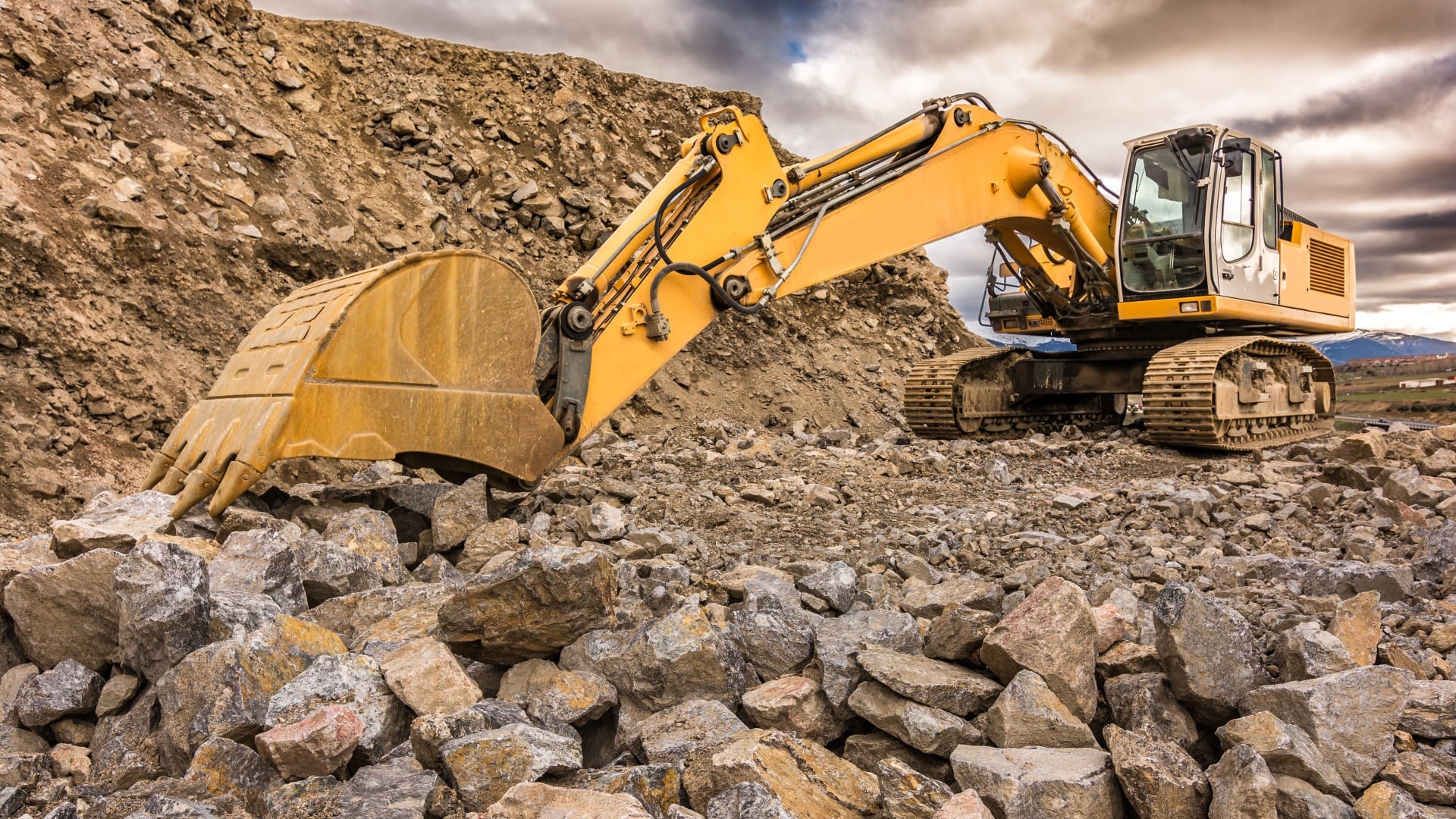

Among all construction machinery, excavators stand out as a powerful blend of precision, versatility, and adaptability—qualities that make them indispensable in both small- and large-scale excavation and construction projects. At the core of their performance lies the hydraulic system, which allows for fine-tuned control during trenching, grading, and lifting operations. Whether digging utility lines, shaping foundation pads, or lifting precast structures into place, construction excavators deliver repeatable accuracy with every movement.
Unlike machines designed for a single function, excavator construction vehicles transform into multi-role workhorses when paired with the right attachments. From hydraulic breakers and augers to grapples and tilt-rotators, a single machine can be configured for demolition, material sorting, boring, or land clearing—without needing to swap equipment on site.
This combination of precise hydraulic control, multi-functional adaptability, and operational efficiency is why many fleet managers refer to excavators as the most versatile construction machinery option available—often forming the backbone of modern excavation and construction fleets.

While both excavators and bulldozers play central roles in excavation and construction, their strengths lie in very different domains. Bulldozers are unmatched when it comes to brute earthmoving power—designed to push, level, and spread large volumes of material quickly across open ground. In contrast, construction excavators specialize in vertical excavation, precision digging, and complex grading tasks where control and reach matter more than raw force.
Feature/Task | Excavator | Bulldozer |
Primary Function | Digging, trenching, lifting | Pushing, leveling, grading |
Best At | Deep digging, confined areas | Moving large volumes of soil |
Vertical Reach | High – with long arm/boom setups | Low – primarily horizontal movement |
Precision Control | High – hydraulic control | Moderate – blade control only |
Mobility on Site | Rotates 360°, good in tight spaces | Requires turning, larger footprint |
Attachments | Wide range (buckets, breakers, etc.) | Limited (mostly rippers, winches) |
Bulldozers are typically used in the initial phase to push trees, rocks, and debris and to roughly level terrain over a wide area.
Excavators follow up to dig trenches for drainage, carve out roadbeds, and perform fine grading and slope adjustments with greater accuracy.
This functional distinction ensures that both machines are often deployed together—but for very different tasks. In any excavation and construction workflow, understanding when to lead with a bulldozer and when to follow with an excavator can dramatically improve efficiency and final results.

When it comes to moving materials around a job site, both construction excavators and loaders have their place—but they’re built for fundamentally different roles. Loaders excel in high-speed material transport across short distances, such as stockpiling or loading trucks. Excavators, however, are far superior in stationary digging and precision placement of materials, especially when site space is limited.
Attribute | Excavator | Loader |
Primary Function | Digging, trenching, lifting | Loading, hauling, backfilling |
Best At | Controlled digging, tight work zones | Quick material transport on open sites |
Mobility | Stationary operation with 360° rotation | Mobile with high ground speed |
Material Handling | Precise bucket placement | Bulk movement with larger bucket volumes |
Space Efficiency | Ideal for confined urban sites | Requires maneuvering space |
Versatility with Attachments | High (hydraulic breakers, thumbs, etc.) | Moderate (forks, snow blades, etc.) |
Consider a downtown utility project where trenching is required to access underground power lines:
In today’s excavation and construction environments—especially in urban, utility, and trenching projects—excavators often outperform loaders due to their compact footprint, wide rotational range, and controlled material handling capabilities. Fleet managers frequently combine both machines, assigning each based on site-specific layout and material movement needs.
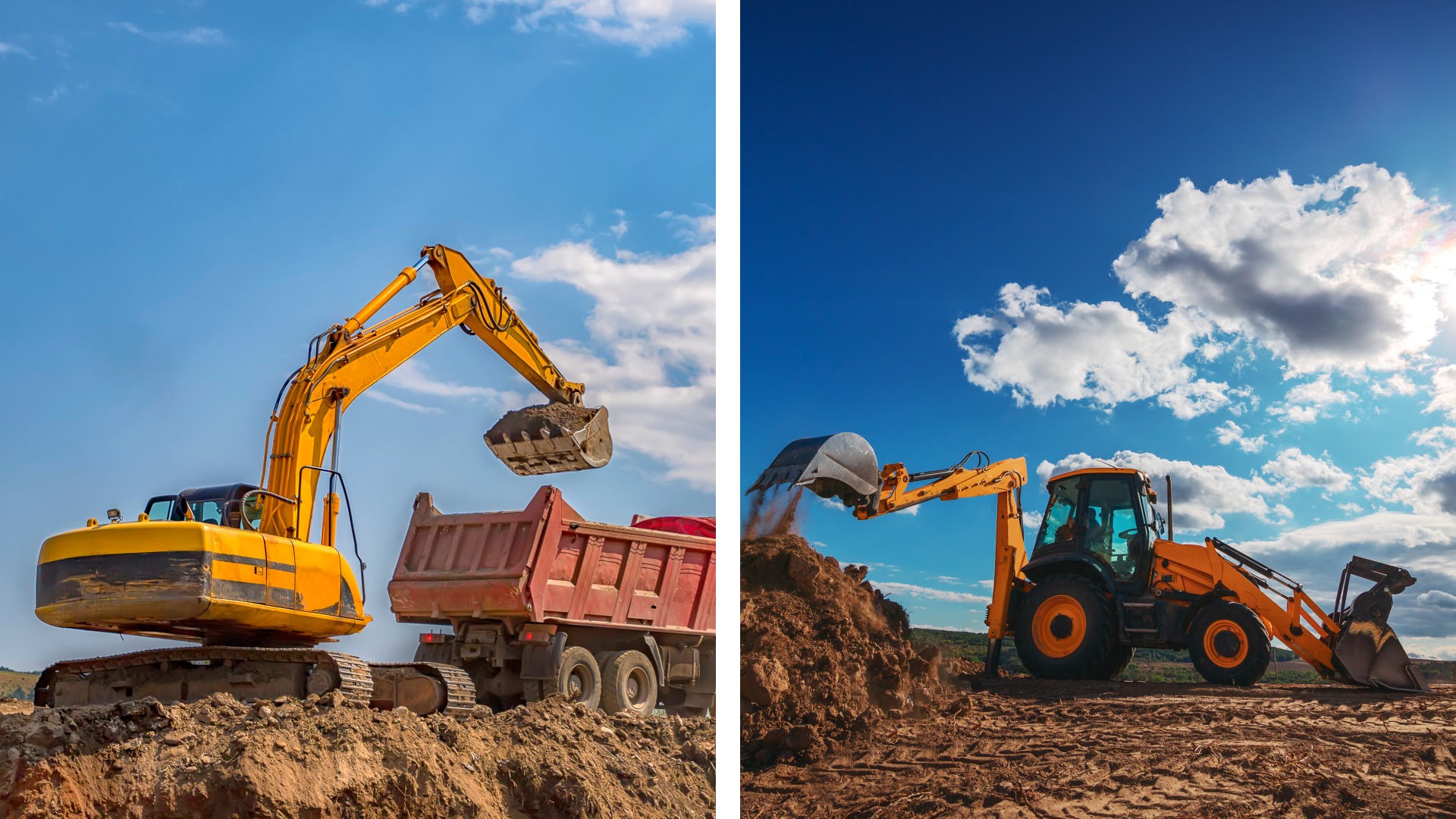

For contractors managing varied job scopes, the choice between a backhoe loader and a construction excavator often comes down to versatility vs. specialization. While backhoes offer a compact, dual-function design (a front loader and rear digger in one machine), excavators—even compact or mini models—deliver significantly more digging power, reach, and maneuverability, especially when space and depth are critical.
Feature/Function | Excavator | Backhoe Loader |
Primary Role | Dedicated digging and lifting | Dual-purpose: digging + loading |
Digging Power | Higher—built for excavation | Moderate—suited for light to medium digging |
Rotation Capability | 360° house rotation | ~200° swing arc at rear |
Mobility | Tracked or wheeled; less road-friendly | Road-ready with wheeled mobility |
Operator Efficiency | High for repetitive excavation tasks | Moderate—requires repositioning |
Best Suited For | Trenching, grading, and lifting in tight areas | Rural/farm jobs, light utility, general use |
Imagine a contractor working on waterline installation in a suburban neighborhood:
Ultimately, this is the contractor’s dilemma—backhoes offer broad functionality, but construction excavators win on power, precision, and productivity in excavation-intensive projects. The right call depends on task-specific priorities, crew expertise, and jobsite logistics.
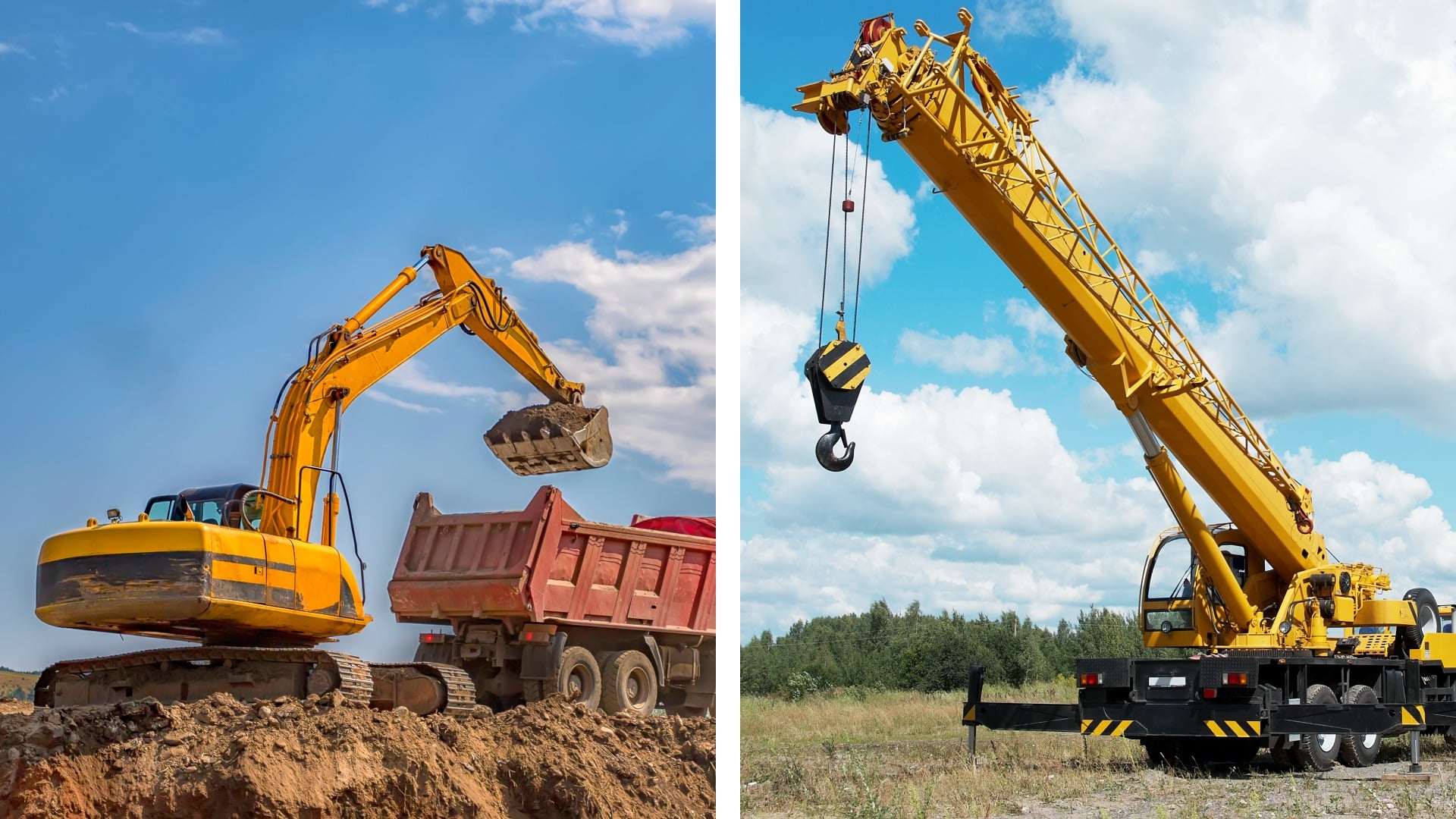
When it comes to lifting operations on construction sites, both cranes and excavators play pivotal roles—but their use cases are not interchangeable. Cranes are engineered for high-elevation, heavy-load lifting, often spanning significant vertical and horizontal distances with precision and stability. Construction excavators, by contrast, are occasionally repurposed for close-range lifting tasks, such as pipe laying or moving construction materials within the machine’s reach.
While excavators offer flexibility and speed for certain lifting tasks—especially when the load is moderate and close to the ground—they are not a replacement for cranes in jobs requiring extreme lift heights, tight load control, or regulatory compliance.
Feature | Excavator | Crane |
Designed Purpose | Digging with secondary lifting capability | Dedicated to lifting |
Lift Height | Limited to boom reach | High lift capability (towers, booms) |
Lift Capacity | Moderate (varies with arm angle and radius) | High, consistent across large radii |
Rotation | 360° (house rotation) | 360° (upper works, with stability controls) |
Precision Control | Moderate | High – essential for structural lifts |
Common Applications | Pipe-laying, trench box setting | Steel erection, precast assembly, HVAC lifts |
Although modern excavators are equipped with lift mode features, using them for lifting comes with critical limitations:
In lifting applications, it’s not just about whether the machine can lift—it’s about whether it should. Smart fleet managers know when to assign lifting duties to cranes and when excavator construction vehicles can safely step in for multi-role operations.
Despite their unmatched versatility, construction excavators aren’t the perfect fit for every task. Like any piece of equipment, they’re designed with specific strengths—and when pushed beyond those roles, their efficiency, safety, and cost-effectiveness can drop significantly. Understanding where excavators fall short enables contractors and fleet managers to make more informed equipment decisions and avoid operational bottlenecks.
Excavators are excellent at digging and lifting, but they’re not built for transporting material over distance.
Better Alternative: Utilize dump trucks for long-distance hauling, while the excavator concentrates on digging and loading.
Excavators, particularly mid- and large-sized units, can be fuel-hungry, especially when:
Efficiency Tip: Right-size your machine—using a large excavator for a small task burns fuel without added value.
Standard excavators typically have a wide tail swing and larger footprint, making them less suitable for:
Unless a mini excavator or zero-tail-swing model is used, maneuvering in restricted areas can be unsafe or impossible.
Fleet Planning Tip: Deploy compact excavators or backhoes for tight-space operations where flexibility matters more than reach or capacity.
While construction excavators are engineered for versatility, their performance and practicality vary across industries based on terrain, scale, access, and material handling needs. In some cases, they outperform traditional alternatives; in others, they serve a complementary role or are outclassed by more specialized machines.
Here’s a breakdown of how excavators stack up against common industry-specific equipment:
In surface mining operations, removing overburden (the layer of soil and rock overlying mineral deposits) is a high-volume task.
Key Insight: Use draglines for deep, continuous digging and excavators for targeted removal and mobility-based operations.
Marine and wetland construction requires equipment that can operate in saturated or submerged environments.
Best Use Case: Utilize amphibious excavators for shore protection, levee repair, and environmental remediation in wetland areas. Deploy barges/dredgers for major navigation channels or offshore work.
Tight spaces, traffic control, and underground utilities often constrain urban construction.
Urban Preference: Mini excavators offer greater precision, lower noise levels, and improved safety in confined areas, making them the machine of choice for modern city projects.
In farming applications such as irrigation ditching, drainage, and land clearing, the right tool depends on the job’s complexity.
Complementary Approach: Tractors handle field prep and grading, while excavators step in for high-precision digging and land shaping.
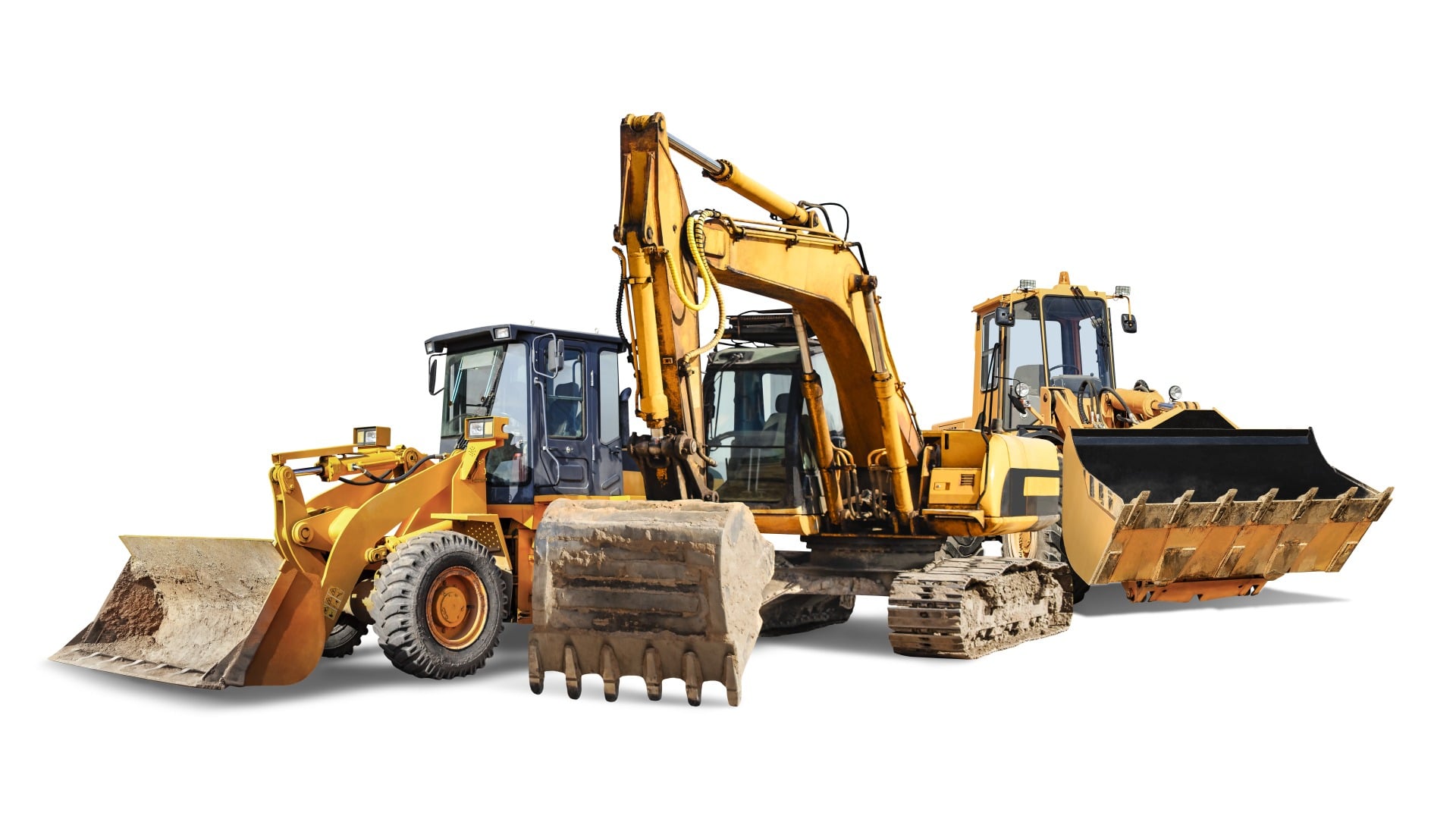
Selecting between construction excavators and other types of heavy machinery isn’t a one-size-fits-all decision. Each job site brings its own set of variables—from terrain and space constraints to budget and regulatory requirements. For contractors and fleet managers, success lies in evaluating both operational demands and long-term cost implications when assigning the right machine to the right task.
Before deploying equipment, assess the following:
Aspect | Multi-Use Excavator | Task-Specific Equipment |
Initial Investment | Moderate to high | Varies (some lower, some much higher) |
Versatility | High adaptable via attachments | Low to moderate – limited to core functions |
Maintenance Simplicity | Easier to standardize with fewer machine types | Complex – more systems to maintain and train for |
Productivity | Balanced across many tasks | High for specific tasks; low for others |
Fleet Optimization | Reduces total equipment count | Increases fleet diversity and logistical complexity |
Bottom Line: Excavators offer a strong ROI for general-purpose use across industries, while task-specific machines outperform them in niche applications.
A well-rounded fleet includes excavators and task-specific equipment, such as bulldozers, cranes, or compact loaders.
This ensures operational efficiency across all job types.
Keeping multiple similar models (e.g., several mid-sized excavators) streamlines operator training, maintenance, and part inventory.
For short-term needs, renting specialty machinery like high-reach cranes or large wheel loaders can be more cost-effective than ownership.
Machines with consistently low utilization could be replaced with a multi-use excavator and attachment strategy.

Excavators remain the go-to solution for contractors who need versatility, control, and productivity in a single machine. However, recognizing their limitations—and understanding how they compare to other construction machinery—enables smarter fleet planning and better outcomes on the job site. Contractors who combine excavators with task-specific equipment are better positioned to handle varied terrain, specialized applications, and tight deadlines. If you’re looking to expand or optimize your fleet with powerful, adaptable excavator solutions, visit Hawk Excavator—we’ll help you equip your team with machines built for real-world performance.
Get in touch with us now!
Excavators have long been the backbone of earthmoving operations, valued for their digging precision, reach, and raw lifting power. But in today’s...

When it comes to keeping excavation projects on schedule, having the right parts for the right equipment is non-negotiable. For procurement teams...

The excavator undercarriage is the foundation of the machine’s mobility and stability, yet it is often one of the most overlooked areas when it...