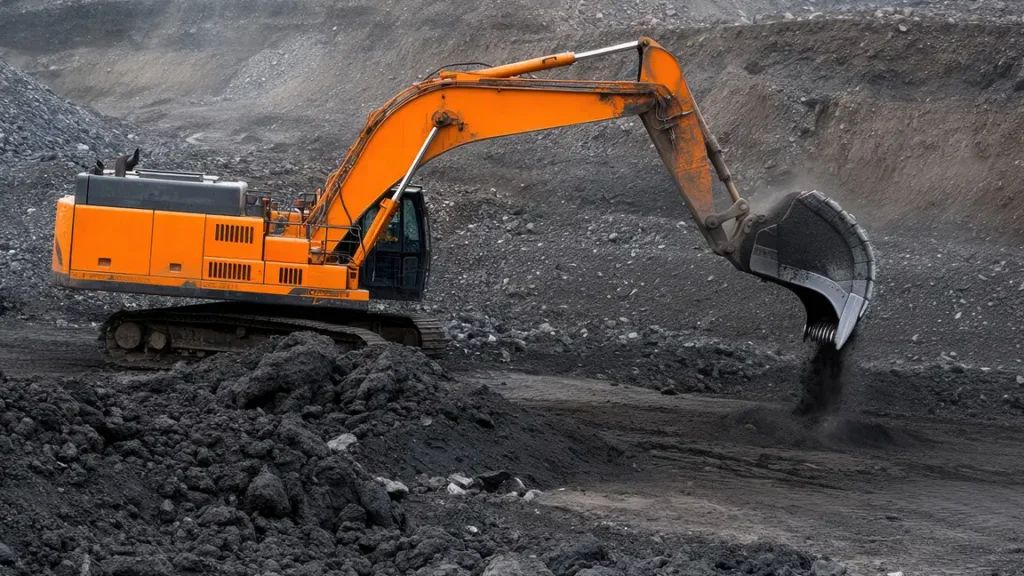
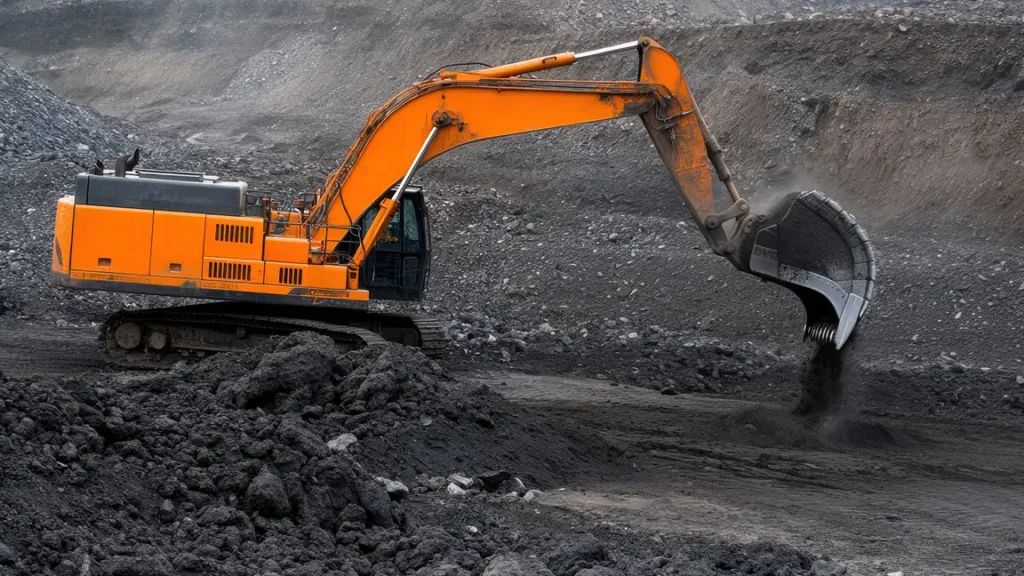
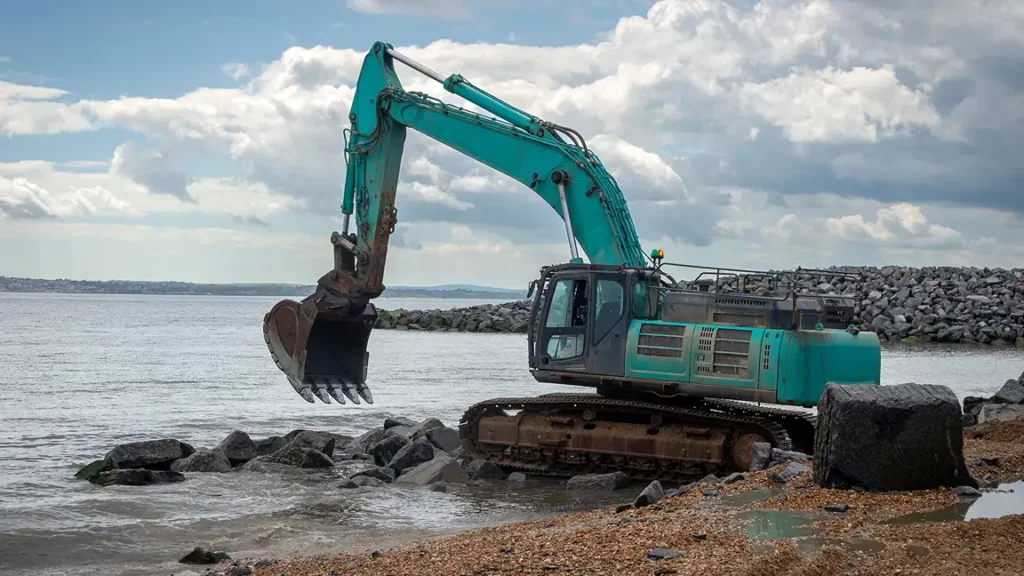
Excavator buckets are fundamental tools in construction, mining, and various earthmoving industries. From digging trenches to moving large quantities of material, these attachments are indispensable for ensuring efficiency and precision on job sites. Among the wide variety of buckets available, excavator rock buckets stand out as specialized tools designed for handling the toughest jobs.
Unlike standard buckets, which are built for general-purpose tasks such as digging or loading loose materials, rock buckets for excavators are engineered to manage heavy-duty applications. They are specifically designed to excavate and transport dense, abrasive materials like rocks, gravel, and compacted soil. With reinforced teeth and wear-resistant materials, these buckets can withstand extreme conditions while maintaining productivity.
Choosing the right bucket for your project is more than a matter of preference—it’s a critical decision that impacts efficiency, durability, and overall project success. Whether it’s a standard bucket for everyday tasks or an excavator rock bucket for rugged terrain, selecting the appropriate tool ensures optimal performance and cost-effectiveness.
In this blog, we’ll explore the key differences between these two types of buckets, helping you understand when and why you should choose an excavator rock bucket over a standard one.
What Is an Excavator Rock Bucket?
An excavator rock bucket is a specialized attachment designed to handle heavy-duty tasks in demanding environments. Built to withstand intense stress and wear, these buckets are specifically engineered for excavating and transporting abrasive materials like rocks, gravel, and compacted soil. Unlike standard buckets, which are optimized for general-purpose use, rock buckets for excavators excel in challenging applications where durability and precision are paramount.
Common Features of Excavator Rock Buckets
Reinforced Edges and Heavy-Duty Construction
Excavator rock buckets have reinforced edges and robust structural integrity, enabling them to withstand the pressure of lifting and breaking through tough materials. Their heavy-duty construction ensures long-lasting performance even in harsh conditions.
Wear-Resistant Materials
To combat the abrasive nature of rocks and gravel, these buckets are constructed from high-strength, wear-resistant materials such as hardened steel. This design minimizes wear and tear, ensuring the bucket remains functional and efficient over extended periods of use.
Optional Accessories
Many rock bucket excavator models can be customized with accessories such as replaceable rock teeth, cutting edges, and side cutters. These enhancements improve penetration and material handling capabilities, making the bucket even more versatile for specific tasks.
Applications of Excavator Rock Buckets
The versatility and durability of excavator rock buckets make them indispensable in industries such as:
Quarrying: Extracting and moving large stones and boulders with ease.
Demolition: Handling debris, concrete, and other tough materials during demolition projects.
Mining: Excelling in digging and loading operations within mines.
Rock Excavation: Breaking through and transporting rocky terrains effectively.
By combining rugged construction and specialized features, an excavator rock bucket ensures maximum efficiency in tasks that demand strength and resilience. Whether you’re working in a quarry or a demolition site, this tool is designed to tackle the toughest challenges.
It’s crucial to understand the key differences between an excavator rock bucket and a standard bucket when choosing between them. Each is designed for specific tasks, and selecting the right one can significantly impact your project’s efficiency, cost, and outcomes. Below, we explore the primary distinctions between these two types of excavator buckets.
Key Differences Between Excavator Rock Buckets and Standard Buckets
1. Material Strength
Excavator Rock Buckets: Constructed with high-strength, wear-resistant steel, rock buckets are built to withstand the rigors of demanding environments. Their materials ensure they can handle abrasive substances like rocks, gravel, and compacted soils without compromising durability.
Standard Buckets: Made from standard-grade steel, these buckets are more suitable for lighter tasks involving soft materials like soil, clay, and sand. They lack the reinforced structure needed for heavy-duty applications.
2. Design and Features
Rock Buckets for Excavators: These buckets feature reinforced edges, thicker sides, and additional teeth to break through and handle tough materials. Their design often includes replaceable wear parts, such as rock teeth or cutting edges, for extended usability.
Standard Buckets: With a simpler and more streamlined design, standard buckets focus on versatility. Their lightweight construction makes them easy to maneuver, but they lack the rugged features necessary for abrasive environments.
3. Weight and Durability
Excavator Rock Buckets: Due to their robust construction, rock buckets are heavier, adding weight to the machine but providing superior durability and resilience for extreme workloads.
Standard Buckets: These buckets are lighter, reducing strain on the excavator and enabling faster operation. However, they are less durable when subjected to heavy-duty or abrasive tasks.
4. Applications
Excavator Rock Buckets: Designed for challenging jobs such as rock excavation, mining, quarrying, and demolition. Their specialized construction allows them to handle abrasive materials and tough conditions efficiently.
Standard Buckets are ideal for general-purpose projects, including digging, soil moving, trenching, and landscaping. They perform well in less demanding environments and are suitable for softer materials.
5. Cost
Rock Bucket Excavators: Due to their specialized materials, advanced design, and durability, rock buckets come with a higher upfront cost. However, their longevity and ability to handle tough tasks make them a worthwhile investment for heavy-duty projects.
Standard Buckets: More affordable and widely available, standard buckets are a cost-effective choice for general-purpose tasks, particularly for projects that don’t involve abrasive or heavy materials.
When to Use an Excavator Rock Bucket
An excavator rock bucket is essential for projects that demand strength and durability in extreme environments. Its specialized design ensures efficient handling of abrasive materials while minimizing wear and tear on the equipment.
Recommended for Specific Projects
Handling Abrasive Materials: This tool is ideal for moving rocks, gravel, compacted soil, and other tough materials that standard buckets cannot efficiently manage.
Extreme Environments: Best suited for challenging job sites such as:
Quarries: Extracting large stones and boulders.
Demolition Sites: Breaking and transporting concrete or debris.
Mines: Digging and loading heavy, abrasive materials.
Benefits of Using Excavator Rock Buckets
Increased Efficiency: Rock buckets for excavators, with reinforced edges and heavy-duty construction, can handle large volumes of abrasive material, reducing project timelines and improving overall productivity.
Durability: Built from high-strength, wear-resistant materials, excavator rock buckets offer exceptional longevity, making them a reliable choice for tough jobs.
Reduced Equipment Wear: Using the right tool for abrasive environments protects your excavator from unnecessary strain, reducing maintenance costs and extending the machine’s lifespan.
Selecting a rock bucket excavator ensures you’re prepared for the toughest projects, providing a robust solution for extreme working conditions.
When to Use a Standard Excavator Bucket
While an excavator rock bucket is built for heavy-duty tasks, a standard excavator bucket isane ideal choice for lighter, more versatile applications. Its simpler design and lightweight construction make it a go-to tool for everyday projects that don’t require extreme durability.
Recommended for Specific Projects
Light-to-Medium Tasks: Perfect for excavating and moving soft materials like soil, sand, and clay.
General Construction: Ideal for digging foundations, creating trenches, or clearing loose material during construction projects.
Landscaping: Effective for tasks such as leveling soil, shaping terrain, or managing mulch and loose gravel.
Benefits of Using Standard Excavator Buckets
Lightweight and Easy to Maneuver: The lightweight construction allows for greater flexibility and faster operation, making it suitable for projects that prioritize speed and precision.
Cost-Effective: Standard buckets are more affordable and widely available, making them a practical choice for general-purpose tasks without the need for heavy-duty reinforcements.
While not as robust as a rock bucket for excavators, the standard bucket is indispensable for handling everyday projects efficiently and easily.
Cost Comparison: Rock Buckets vs. Standard Buckets
When evaluating the cost of an excavator rock bucket versus a standard bucket, it’s essential to consider both the initial investment and long-term value. Each bucket type is designed for specific applications, and the cost reflects their durability and functionality.
Excavator Rock Buckets
Higher Initial Cost: Rock buckets for excavators are made with wear-resistant materials and reinforced construction, which increases their upfront price.
Long-Term Savings: Their superior durability makes them a cost-effective choice for heavy-duty tasks. They are built to handle abrasive conditions, reducing the frequency of replacements and minimizing downtime.
Best Use Cases: Ideal for industries like mining, quarrying, and demolition, where the durability and efficiency of the bucket directly impact productivity and equipment longevity.
Standard Excavator Buckets
Affordable Upfront: Standard buckets are designed for light-to-medium tasks, making them a more economical option for general-purpose use.
Higher Replacement Costs: Standard buckets may wear out quickly in demanding conditions, such as working with rocks or compacted soil. Frequent replacements or repairs can add to overall costs in the long run.
Best Use Cases: Perfect for general construction, landscaping, and trenching projects where the workload doesn’t involve abrasive materials.
Choosing between an excavator rock bucket and a standard bucket depends on the demands of your project. For heavy-duty tasks, the higher initial investment in a rock bucket pays off through enhanced performance and longevity. However, for routine jobs, a standard bucket offers an affordable and practical solution.
Maintenance and Longevity
Proper maintenance is crucial for ensuring the performance and lifespan of excavator rock buckets and standard buckets. Depending on its construction and intended use, each type of bucket requires specific care.
Excavator Rock Buckets
Regular Inspection: Due to constant exposure to abrasive materials like rocks and gravel, rock buckets for excavators require frequent checks of their teeth, edges, and structural components. Worn-out parts, such as cutting edges and teeth, should be replaced promptly to maintain efficiency and avoid further damage.
Durability: Built from wear-resistant materials and reinforced with heavy-duty construction, excavator rock buckets are designed to endure tough environments. With proper maintenance, they offer exceptional longevity, even in mining, demolition, and quarrying applications.
Standard Excavator Buckets
Simpler Maintenance: Standard buckets are easier to maintain, thanks to their simpler design. However, they are more prone to wear and tear when used for heavy-duty tasks or with abrasive materials.
Longevity: To maximize the lifespan of standard buckets, they should be restricted to light applications, such as handling soil, sand, or clay. Using them beyond their intended scope can accelerate wear and increase replacement costs.
Key Takeaways
Consistent maintenance ensures that rock bucket excavators can handle extreme workloads without compromising durability, making them a long-term investment in demanding environments.
Standard buckets require less intensive maintenance but must be used appropriately to avoid premature wear, particularly in heavy-duty conditions.
How to Choose the Right Bucket for Your Needs
Selecting the appropriate bucket is a critical step in maximizing your excavator’s efficiency and ensuring the success of your project. Whether you’re considering an excavator rock bucket or a standard bucket, understanding your specific needs will help you make the best choice.
1. Assess the Material and Environment
Excavator Rock Buckets: If your project involves abrasive materials like rocks, gravel, or compacted soil or takes place in harsh environments like quarries, mines, or demolition sites, a rock bucket for excavators is the ideal choice.
Standard Buckets: Standard buckets are more cost-effective and efficient for lighter tasks such as digging soil, sand, or clay or general-purpose applications like trenching and landscaping.
2. Match Bucket Specifications with Your Excavator
Ensure the bucket’s size and weight are compatible with your excavator’s capacity to maintain stability and performance.
Consider the excavator’s hydraulic system—some attachments, like excavator rock buckets, may require additional power for effective operation due to their heavier construction and reinforced features.
3. Weigh Initial Cost Against Long-Term Value
Rock Buckets: While excavator rock buckets have a higher initial cost, their durability and ability to handle tough tasks make them a long-term investment. They reduce wear and tear on your machine, minimizing maintenance costs and downtime.
Standard Buckets: If your project involves light-duty tasks, a standard bucket offers a more affordable solution. However, frequent replacements may be necessary if used in environments beyond their capabilities.
4. Key Considerations for Decision-Making
Project Requirements: Analyze the materials you’ll be working with and the demands of your environment.
Budget: Balance the upfront cost with the bucket’s longevity and suitability for the task.
Equipment Compatibility: Confirm that the bucket aligns with your excavator’s specifications for seamless operation.
Excavator Rock Buckets from HAWK Can Handle Tough Conditions
Choosing between an excavator rock bucket and a standard bucket comes down to understanding your project’s specific needs. Excavator rock buckets are designed for heavy-duty tasks, featuring reinforced construction and wear-resistant materials to handle abrasive environments like quarries, demolition sites, and mines. In contrast, standard buckets are lightweight, versatile, and ideal for general-purpose tasks like trenching landscaping, and soil excavation.
Selecting the right bucket enhances project efficiency and reduces wear and tear on equipment, ultimately saving time and money. For rugged applications, investing in a rock bucket for excavators ensures durability and performance, while a standard bucket offers a cost-effective solution for lighter tasks.
By aligning your choice with the demands of your job site, you can maximize your excavator’s potential and achieve better results, no matter the challenge.