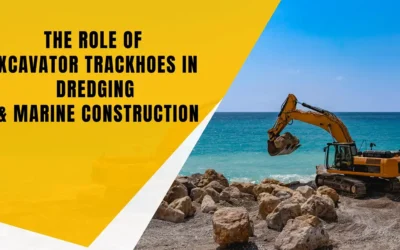
The Role of Excavator Trackhoes in Dredging and Marine Construction
Dredging and marine construction are integral to the development and maintenance of waterfront infrastructure, including ports, harbors, and canals....

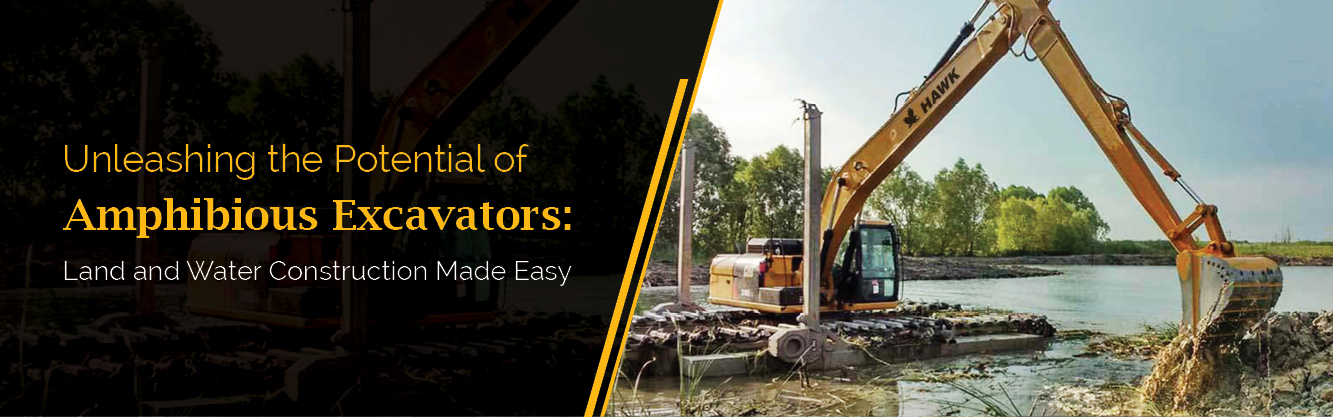

Amphibious excavators, also known as marsh buggies or swamp excavators, are revolutionizing the construction industry. These machines combine traditional excavator functions with the ability to easily navigate water and challenging terrains, making them ideal for clearing debris and environmental remediation in various projects.
In this article, we’ll dive into the world of amphibious excavators. We’ll explore their features, advantages, applications, and the future of this innovative technology in the construction sector.
Amphibious excavators are specialized heavy equipment designed to operate efficiently in both aquatic environments and on land. Unlike standard excavators, these machines are built to handle challenging terrains, making them indispensable in industries such as environmental conservation, civil engineering, and water management. Their unique design, which includes features like floating pontoons and extendable tracks, allows them to perform tasks that would be impossible for traditional excavators. Whether it’s dredging a canal, restoring a wetland, or constructing a levee, amphibious excavators provide a versatile and efficient solution for projects that require precision and speed in difficult conditions.
Looking for a right excavator? Need help in excavator undercarriage installation? Hawk Excavator can help. We help you select the right excavator attachments or excavator attachment equioment that are compliant with world’s top manufacturers – Caterpillar, Komatshu, Hitachi, John deere and more.
Tell us about your project or Speak with an expert. Get free quote. From installation to services we cover everything under one roof. We’ve more than a decade experience with 1 year warranty. ISO Certified. We ship worldwide, 100% customer satisfaction guaranteed. Also, you can call us at: 619-335-8822 or email us at [email protected].


Versatility: The ability to operate on land and in water makes amphibious excavators an indispensable asset in various construction projects, such as shoreline restoration, pipeline installation, and wetland management.
Environmentally Friendly: With their low ground pressure and minimal environmental impact, amphibious excavators are an eco-friendly choice for construction projects in sensitive ecosystems.
Cost-Effective: Using amphibious excavators eliminates the need for multiple machines or costly temporary structures, like cofferdams and barges, ultimately reducing project costs and improving efficiency.
Improved Safety: Amphibious excavators’ advanced stability and maneuverability reduce the risk of accidents in challenging environments, ensuring the safety of both operators and surrounding ecosystems.
Selecting the right amphibious excavator is crucial for maximizing efficiency and ensuring a successful project outcome. When choosing an amphibious excavator, consider the type of terrain you will be working on. For instance, soft, swampy areas may require equipment with low ground pressure to prevent sinking. Additionally, evaluate the size and weight of the excavator to ensure it can handle the specific demands of your project. Features such as cargo carriers and dredge pumps can significantly enhance the machine’s capabilities, so it’s essential to match these features with your project needs. Don’t forget to factor in operating costs and maintenance requirements, as these can impact your overall budget. By carefully considering these aspects, you can select an amphibious excavator that meets your project’s demands and delivers optimal performance.
Dredging: These machines are ideal for dredging tasks such as canal and waterway maintenance, harbor and port expansion, and sediment removal.
Environmental Restoration: Amphibious excavators are critical in habitat restoration projects, including wetland creation, pond and lake cleanup, and erosion control. They play a significant role in wetland restoration by effectively removing invasive species and reshaping terrain to rehabilitate marshy areas. Additionally, they are essential for environmental remediation, safely removing contaminated soil and debris from polluted water bodies to improve ecological health.
Flood Mitigation: These excavators are often used for constructing levees, flood barriers, and drainage systems to protect communities from flooding.
Infrastructure Construction: Amphibious excavators are well-suited for pipeline installation, bridge construction, and transportation projects in areas with challenging terrain and water access.
Amphibious excavators are the construction industry’s future, as they continue to gain popularity due to their versatility and eco-friendliness. With ongoing technological advancements, we expect to see more efficient and eco-conscious machines that can handle various tasks in diverse conditions.
Need to know where to find an amphibious excavator shop near you, contact us today to talk with an expert for a free quote.
Regular maintenance is vital to ensure the longevity and efficiency of amphibious excavators. Adhering to the manufacturer’s maintenance schedule and performing routine checks on critical components like pontoons, tracks, and hydraulic systems can prevent costly breakdowns and extend the equipment’s lifespan. It’s also essential to equip the excavator with necessary safety features, such as emergency shutdown systems and operator protection systems, to safeguard against accidents. Operators should receive comprehensive training on the safe operation of the equipment and follow all safety protocols, especially when working in challenging terrain. By prioritizing maintenance and safety, you can minimize risks and ensure that your amphibious excavator operates efficiently and effectively, providing reliable performance for your projects.
In the ever-changing construction industry, amphibious excavators are becoming increasingly popular due to their versatility and eco-friendliness. With advancing technology, we can expect more efficient and environmentally conscious amphibious excavators that can handle a wider range of tasks in various conditions.

Amphibious excavators have revolutionized construction, offering a versatile solution for both land and water projects. Their unique features, benefits, and uses make them an essential asset in today’s evolving industry. As technology advances, these machines will continue to redefine the construction landscape.

An amphibious excavator is a machine designed to operate on both land and water.
It’s called amphibious because it can operate in water and on land.
A long reach arm excavator has a longer arm than a standard one, allowing it to reach farther.
A backhoe is a machine used for digging on land, while an amphibious excavator can work both on land and in water.
The cost of an amphibious excavator varies depending on the brand, size, and features, but it can range from $100,000 to $500,000.
It’s also known as a marsh buggy, swamp excavator, or water excavator.
An amphibious excavator is used in various applications, including dredging, environmental restoration, flood mitigation, and infrastructure construction.
It’s unique because it can work in water and on land, has a floating pontoon undercarriage for stability, and features extendable tracks and a long reach boom and arm.
It’s a specialized undercarriage designed with sealed compartments that provide buoyancy, ensuring the stability and safety of the machine while working in water or swampy areas.
For small excavators, prices range from $75,000 to $150,000. Mid-sized excavators cost between $100,000 and $200,000+. Prices vary based on accessories.
Yes, a CDL or driver’s license is necessary. Training schools like Heavy Equipment Colleges of America offer hands-on training and a valuable license for employers.
The cost to rent an excavator in Florida and California varies based on the size and rental duration.For small excavators, expect to pay around $250-$500 per day or $1,000-$1,500 per week. Mid-sized excavators can cost between $350-$700 daily or $1,500-$2,500 weekly.Large excavators can range from $900 to $1,500 per day or $3,500 to $5,000 per week. Prices may vary based on location and rental company.
The smallest amphibious excavator weighs around 2,000 pounds and can float on water.
The Liebherr 9800 is one of the most expensive excavators with a cost of around $5 million.
An amphibious excavator can move on land and in water with special floating tracks or pontoons.
The Liebherr 9800 is one of the most expensive excavators with a cost of around $5
Get in touch with us now!
Dredging and marine construction are integral to the development and maintenance of waterfront infrastructure, including ports, harbors, and canals....
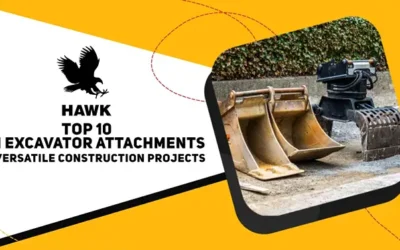
Mini excavators have earned a reputation as indispensable tools in the construction industry. Compact yet powerful, these machines are designed to...
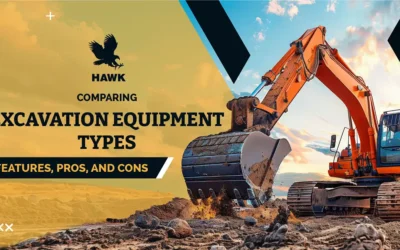
Excavation equipment plays a pivotal role in construction, mining, and numerous other industries that require earthmoving and material handling....