Maximizing Job Site Productivity: Tips for Utilizing a Rotating Excavator Bucket

by | May 30, 2024 | Attachments

In the world of construction and excavation, efficiency is critical. Selecting the proper attachment for your excavator can drastically influence the productivity and success of your operations. The rotating excavator bucket stands out for its versatility and precision among these attachments. This guide explores the capabilities of rotating excavator buckets and provides practical advice for maximizing their potential on the job site without generating more work. These cutting edge buckets are highly versatile and are used on excavators and other heavy machines across various industries such as construction, landscaping, and mining.

Interchangeable breakers and buckets staged for quick, safe attachment swaps

Understanding Your Rotating Excavator Bucket

Rotating excavator buckets represent a significant advancement in excavation technology. They combine an excavator’s traditional functionality with enhanced maneuverability and precision, enabling operators to reach challenging angles and corners, thus enhancing efficiency and versatility. These attachments are pivotal for projects requiring detailed work and flexibility and tend to increase the power to weight ratio. Here’s a deeper dive into rotating excavator buckets’ width, specifications, types, and control systems.

Technical Specifications and Features

Rotating excavator buckets are designed with a pivotal rotation mechanism that allows the bucket to rotate full circle (360 degrees). This ability is powered by one or more hydraulic motors integrated into the bucket’s structure, which can deliver the necessary torque for smooth and controlled rotation. The design typically includes a slew ring that supports the rotational movement while bearing the load of the bucket and its contents.

A notable feature is the bolt on edge that can be easily replaced when worn, emphasizing the practicality and longevity of the bucket. These buckets have robust hydraulic systems that ensure smooth operation under various load conditions. The hydraulic flow is carefully calibrated to match the excavator’s capacity, preventing overloads and ensuring efficient energy use. Additionally, many rotating buckets feature facilitating easy attachment and detachment enhancing the excavator’s versatility.

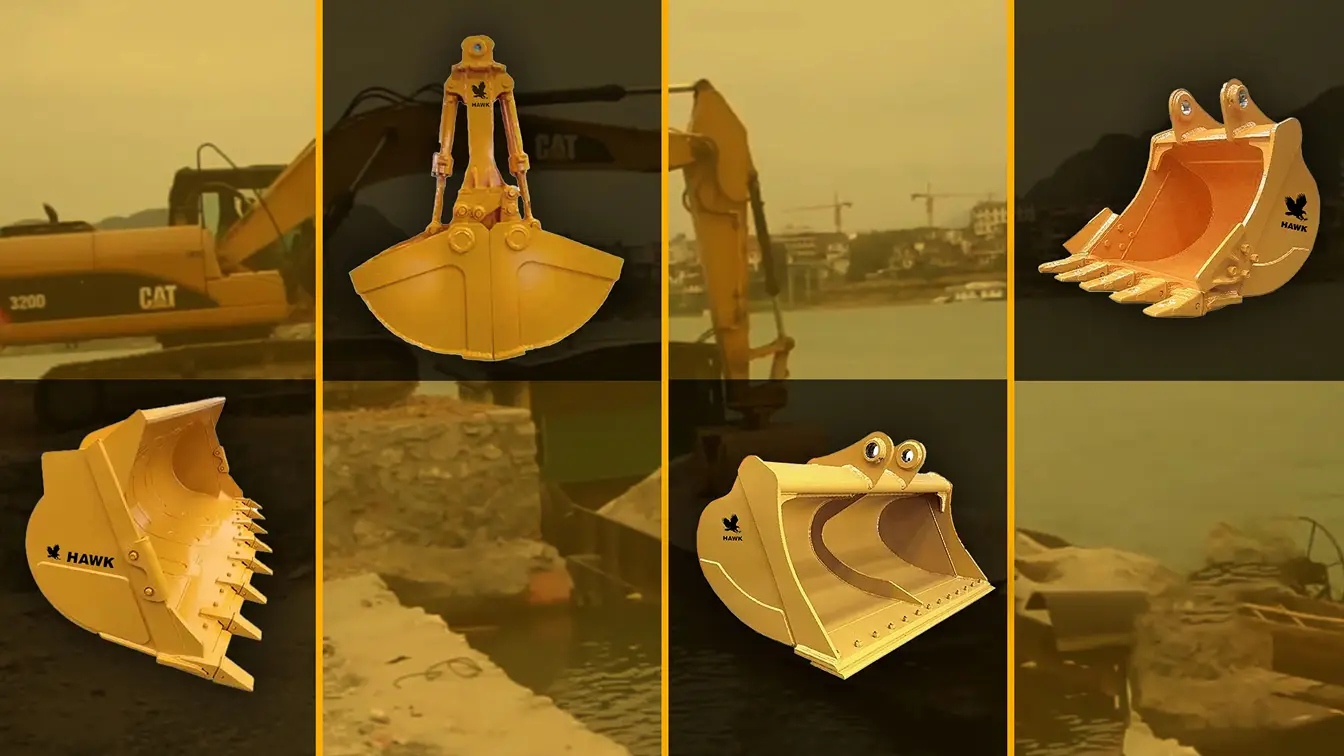
Types of Rotating Buckets: Excavator Clamshell Bucket

The variety of rotating buckets available allows them to be tailored to specific tasks and materials, maximizing efficiency and effectiveness on the job site. These buckets are compatible with a range of machines, from small to large excavators, enhancing their versatility and operational efficiency:

Standard models are the most common and are designed for general excavation tasks. They are versatile enough to handle a range of materials, from soil and clay to sand and gravel. These models are typically used in construction, landscaping, and minor trenching work.

Heavy-duty models are built to endure more rigorous conditions. They are made from hardened steel with reinforced sides and cutting edges, suitable for breaking through more complex surfaces like frozen ground and rocky soil. Heavy-duty buckets are often used in mining and major construction projects where durability is crucial.

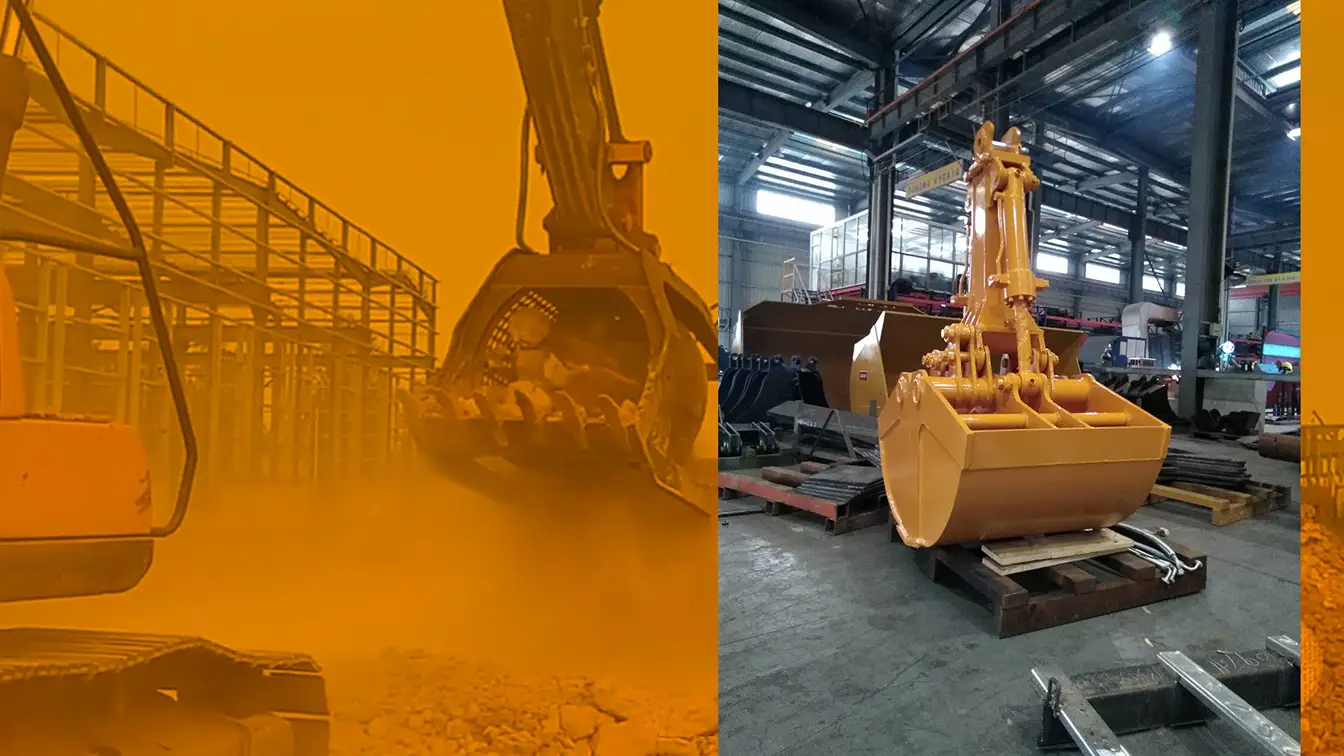
Specialty models cater to specific needs. For example, the excavator clamshell bucket is designed for vertical digging and is ideal for loading loose materials like coal or minerals. Another variant is the crane bucket, which, while not rotating itself, is often used alongside the excavator rotating bucket in complex lifting and moving operations.

Overview of Control Systems, Hydraulic Rotator, and Automation Features

Modern excavator rotating bucket often incorporate advanced control systems that significantly enhance functionality. These systems may include:

Automated rotation control allows operators to set specific rotation angles, improving precision in digging and positioning.

Speed adjustment features enable operators to control the speed of rotation based on the task at hand, optimizing performance and reducing spillage in operations involving finer materials.

Programmable memory settings can recall preferred configurations for specific jobs, reduce setup time, and enhance productivity when switching between different types of tasks.

These technological enhancements boost efficiency and contribute to the safety and longevity of the bucket and the excavator. By providing smoother operation and better handling, they reduce the mechanical stress on the excavator’s arm and increase the equipment’s overall reliability.

Understanding the capabilities and features of your rotating excavator bucket is crucial for leveraging its full potential. This knowledge ensures you select the right bucket type for your needs and operate it efficiently, leading to improved productivity and reduced operational costs on your projects.
types-of-rotating-Excavator-Bucket

Choosing the Right Rotating Excavator Bucket

When selecting a rotating excavator bucket, it’s essential to consider the specific needs of your project and the capabilities of your machine. Here are some factors to consider:

  1. Machine Compatibility: Ensure the bucket is designed specifically for your excavator model and size. Check the manufacturer’s specifications and consult with a sales representative if needed. This ensures that the attachment will fit securely and operate efficiently with your machine.
  2. Hydraulic Circuits: Verify that your excavator has the necessary hydraulic circuits to operate the bucket. Some buckets, like the Dymax Excavator Buckets, require two-way hydraulic circuits for operation. Ensuring compatibility with your excavator’s hydraulic system is crucial for smooth and efficient performance.
  3. Bucket Size and Capacity: Choose a bucket that matches the scale of your project. Larger buckets may be more efficient for larger projects, but may not be suitable for confined spaces. Selecting the right size ensures optimal performance and reduces the need for frequent adjustments.
  4. Material and Construction: Look for buckets made from high tensile steel, like the Scandinavian grading buckets, for added durability and strength. High-quality materials ensure the bucket can withstand heavy-duty tasks and extend its lifespan.
  5. Tilting and Rotating Capabilities: Consider a tilting bucket, like the Rhinox tilt grading bucket, for increased flexibility and precision in grading and ditch cleaning applications. The ability to tilt and rotate enhances the bucket’s versatility and allows for more precise work.
  6. Attachment Type: Decide between a pin grabber or quick attach system, depending on your excavator’s configuration and your personal preference. Each attachment type has its advantages, so choose the one that best suits your operational needs.

By carefully considering these factors, you can select the right rotating excavator bucket that meets your project requirements and enhances your machine’s performance.

Performance and Efficiency

Evaluating Performance Metrics

Evaluating the performance of a rotating excavator bucket involves assessing its ability to efficiently complete material handling tasks. Key performance metrics include:

  • Cycle Time: Measure the time it takes to complete a single cycle of digging, lifting, and dumping material. Shorter cycle times indicate higher efficiency.
  • Productivity: Calculate the amount of material handled per hour or per day. Higher productivity levels reflect better performance.
  • Fuel Efficiency: Track the amount of fuel consumed per hour or per day. Efficient fuel usage reduces operational costs and environmental impact.
  • Operator Comfort and Safety: Assess the level of comfort and safety provided to the operator during operation. Comfortable and safe working conditions enhance operator performance and reduce the risk of accidents.

By evaluating these metrics, operators and contractors can identify areas for improvement and optimize their excavator bucket’s performance. Regularly monitoring these factors ensures that the equipment operates at peak efficiency, leading to increased productivity and reduced costs. Additionally, checking and maintaining components like the ‘bolt on edge’ is crucial for ensuring the bucket’s durability and performance.

Strategies for Enhancing Efficiency

To enhance the efficiency of a rotating excavator bucket, consider the following strategies:

  • Regular Maintenance: Regularly inspect and maintain the bucket’s hydraulic circuits, hydraulic rotator, and other components to ensure optimal performance. This includes checking for leaks, ensuring proper lubrication, and replacing worn parts.
    • Inspect and replace the bolt on edge to ensure the bucket’s longevity and efficiency.
  • Operator Training: Provide operators with comprehensive training on how to use the bucket effectively and efficiently. Skilled operators can maximize the bucket’s capabilities and reduce the risk of damage or accidents.
  • Bucket Selection: Choose the right bucket size and type for the specific material handling task. Selecting the appropriate bucket ensures that the equipment can handle the material efficiently and reduces wear and tear.
  • Attachment Optimization: Optimize the attachment of the bucket to the excavator to ensure precise positioning and maximum efficiency. Proper attachment reduces the need for adjustments and enhances the overall performance of the equipment.

By implementing these strategies, operators and contractors can improve the efficiency of their rotating excavator bucket and increase productivity. Regular maintenance, proper training, and careful selection and optimization of equipment are key to achieving maximum efficiency and optimal performance.

Operational Techniques for Maximum Efficiency

To truly maximize the potential of a rotating excavator bucket, operators must master various operational techniques. These methods enhance the bucket’s functionality and contribute significantly to job site productivity and safety. Below are detailed best practices for operating an excavator rotating bucket, strategies for handling different materials, and tips for fully utilizing the rotation feature.

Best Practices for Maneuvering and Operating

Effective maneuvering of a rotating excavator bucket requires understanding the equipment and the environment. Understanding the capabilities of different machines, including various excavators, is crucial for effective maneuvering and operation. Here are some fundamental practices:

  • Smooth Operation: Learn to control the bucket’s rotation smoothly to maintain balance and avoid abrupt movements that could destabilize the excavator. This is especially important when operating on uneven terrain or when the bucket is fully loaded.
  • Optimal Positioning: Position the excavator to facilitate easy rotation and minimize the need for the machine to move. This positioning reduces fuel consumption and wear on the undercarriage components.
  • Incremental Adjustments: During operations, make small, incremental adjustments to the bucket’s position. This allows for more precise digging and placement and reduces the time spent on corrections.

Techniques for Different Types of Materials, Material Handling Tasks, and Excavation Sites

Different materials and site conditions require specific techniques to optimize the use of a rotating excavator bucket:

  • Soft Materials: When working with soft materials like soil or sand, use a slower rotation speed to prevent material from spilling out of the bucket. This control ensures more accurate digging and reduces cleanup time.
  • Rugged Materials: For more complex materials such as clay or frozen earth, use the rotation to your advantage by applying continuous movement to break the material more effectively. This method can also help to shake off excess dirt, ensuring that only the necessary material is transported.
  • Narrow or Confined Spaces: In tight spaces, the ability to rotate the bucket can replace repositioning the entire machine. Use the bucket’s rotation to dig or grade areas that are otherwise hard to reach, optimizing the use of space and time.

Tips on Leveraging the Rotation Feature

The rotation feature of the excavator bucket is a powerful tool that, when used correctly, can dramatically enhance efficiency:

  • Minimizing Repositioning: Instead of moving the entire excavator to dump loads or position the bucket, simply rotate the attachment. This reduces the overall movement required and speeds up operation cycles.
  • Complex Loading Tasks: Use the rotating capability to align the bucket for precise loading into trucks or hoppers. This alignment can significantly speed up the process and reduce the risk of spillage.
  • Improved Precision in Grading and Leveling: The excavator rotating bucket can be used for fine grading and leveling tasks, where precision is critical. By adjusting the rotation, operators can achieve the desired angle and smoothness without multiple passes, particularly useful in landscaping and road construction.

Mastering these operational techniques enables operators to fully use their rotating excavator bucket, leading to faster task completion, less wear on equipment, and overall higher productivity on the job site. By combining these methods with regular training and practice, excavation teams can ensure they achieve the best possible outcomes from their equipment.

types-of-rotating-Excavator-Bucket
Compact excavators handle quarry rock splitting and urban demolition with equal agility

Material Handling Tasks

Optimizing Material Movement

Optimizing material movement is critical to efficient material handling tasks. Here are some tips to optimize material movement with a rotating excavator bucket:

  • Use the Bucket’s Tilting Capability: Adjust the angle of the bucket to match the material’s density and texture. A tilting bucket or tilt bucket can be particularly useful for handling different types of materials, ensuring that the bucket can scoop and dump efficiently.
  • Utilize the Hydraulic Rotator: Rotate the bucket to the optimal position for material handling. The hydraulic rotator enables operators to position the bucket precisely, reducing the need for repositioning the entire excavator.
  • Leverage High Tensile Steel Construction: Take advantage of the bucket’s high tensile steel construction to withstand heavy-duty material handling tasks. This durability ensures that the bucket can handle tough materials without compromising performance.
  • Ensure Precise Positioning: Use the bucket’s precise positioning capability to place material in confined spaces or challenging angles. This is particularly useful for tasks like ditch cleaning or working in areas with limited space.

By optimizing material movement, operators and contractors can reduce cycle times, increase productivity, and improve overall efficiency. The advanced features of rotating excavator buckets, such as tilting capability, hydraulic rotators, and high tensile steel construction, enable efficient handling of various materials and tasks, ensuring optimal performance in diverse conditions.

Maintenance and Safety Protocols

Proper maintenance and adherence to safety protocols are crucial for maximizing the lifespan and performance of a rotating excavator bucket and ensuring the safety of the operation. Detailed maintenance routines, strict safety guidelines, and proactive troubleshooting can all significantly impact this machinery’s effectiveness and safe use.

Routine Maintenance Tips for Optimal Performance

–> No changes beyond here Regular and systematic maintenance is essential to keep the rotating excavator bucket in optimal working condition. Here are some critical maintenance practices:

  • Daily Inspections: Before any operation, inspect the bucket for any signs of wear or damage, such as cracks, loose bolts, or worn teeth. Check hydraulic lines for leaks and ensure all connections are tight.
  • Regular Lubrication: Lubricate all moving parts, including the rotation mechanism and pins, according to the manufacturer’s recommendations. Proper lubrication reduces friction and wear, prolonging the bucket’s life.
  • Cleaning: After each use, clean the bucket to remove mud, debris, and other materials that could harden or corrode the bucket. This is particularly important for buckets in corrosive environments or with abrasive materials.
  • Check Hydraulic Systems: Periodically check the hydraulic system for proper fluid levels, signs of contamination, and proper filtration. Hydraulic system health is crucial for the smooth operation of the rotation mechanism.
  • Replacement of Worn Parts: Regularly check and replace worn or damaged parts like teeth, cutting edges, and bearings. Keeping these components in good condition ensures the bucket’s efficiency and safety.

Safety Guidelines

Adhering to safety guidelines is paramount to prevent accidents and injuries using a rotating excavator bucket. Some essential safety measures include:

  • Operator Training: Ensure that all operators are trained in properly using the rotating excavator bucket, including understanding its capabilities and limitations.
  • Use Safety Features: Always engage safety features like locks or stops for the rotating mechanism when the bucket is not in use or when the excavator is being serviced.
  • Maintain Clear Communication: On sites where multiple personnel are present, maintain clear and constant communication to ensure everyone knows the excavator’s operations, particularly when rotating the bucket.
  • Secure Working Area: Clear the area around the excavator to prevent accidents. Establish and enforce exclusion zones where the bucket is operating.

Troubleshooting Common Issues

Being proactive about troubleshooting can help avoid downtime and potential accidents. Common issues with excavator rotating buckets include:

  • Hydraulic Failures: If the bucket’s rotation becomes sluggish or unresponsive, check the hydraulic fluid levels and inspect for leaks or damaged hoses. Hydraulic issues often stem from low fluid levels or air in the system.
  • Excessive Wear: Unusual wear patterns might indicate improper use or alignment issues. Adjust operation techniques or check for mechanical faults.
  • Rotation Irregularities: If the bucket does not rotate smoothly or stops intermittently, it could be due to electrical issues in the control system or mechanical blockages. Inspecting and servicing the electrical connections or cleaning blockages can resolve these issues.

Following these maintenance and safety protocols will ensure your rotating excavator bucket’s long-term reliability and efficiency and safeguard the operator and other personnel on-site. Regular attention to these areas reduces the risk of breakdowns and accidents, contributing to a safer and more productive work environment.

Overview-of-Control-System
Wheeled compact excavator hammers limestone ridge, shaping the face for excavation.

Innovative Applications

Rotating excavator buckets are typically associated with standard excavation tasks; however, their unique ability to rotate 360 degrees allows for various innovative and unconventional applications. These diverse uses can be leveraged in multiple fields beyond typical construction, enhancing creativity and efficiency. Here are some notable unconventional uses of rotating excavator buckets:

  • Landscaping and Environmental Projects: In landscaping, rotating buckets can precisely sculpt terrain, quickly creating features such as swales or terraces. They are also invaluable for riverbank stabilization projects, where accurate placement of rocks and other materials is crucial. Their ability to rotate allows for more delicate and precise handling of natural materials, preserving the integrity of the environmental site.
  • Demolition and Recycling: Rotating buckets can sort and separate different recycling materials directly at the site during demolition projects. This capability allows operators to efficiently segregate metals, concrete, and wood, enhancing recycling processes and reducing waste. The precise control and rotation make it easier to maneuver in tight spaces typically found in demolition sites.
  • Urban Construction: In areas with limited space, rotating buckets can be handy. They allow for the excavation and movement of materials without requiring the machine to change position frequently. This is ideal for working in confined areas, such as between buildings or near existing infrastructure, where traditional excavation methods might need to be more disruptive.
  • Underwater Operations: Rotating buckets are also employed in underwater applications, such as building or repairing underwater structures. They can be used to place materials precisely, such as rocks for riprap or bags of concrete for foundations, which is crucial in aquatic environments where accuracy is essential to the stability and durability of structures.
  • Forestry and Agricultural Tasks: In forestry, rotating buckets can assist in land clearing by removing stumps and roots with precision, minimizing the disturbance to the surrounding area. In agriculture, these buckets can create irrigation channels or prepare land for planting, where precise earth movements are required.
  • Utility and Pipeline Work: For utility workers and those involved in laying pipelines, rotating buckets can dig precise trenches and holes required for laying pipes or cables without causing excessive damage to the surrounding area. This precision helps minimize the restoration work needed after the utility work is completed.

These unconventional applications demonstrate the versatility of rotating excavator buckets, making them an invaluable tool in various sectors. By expanding the usage of these attachments beyond their conventional roles, businesses can achieve greater efficiency and open up new possibilities for project execution.
Understanding-rotating-Excavator-Bucket

Rotating excavator buckets are a powerful tool for enhancing job site productivity. By understanding their features, maintaining them properly, and utilizing them to their full potential, operators can achieve significant efficiency improvements. Investing in proper training and regular maintenance can yield long-term benefits, making these advanced attachments a worthy addition to your excavating arsenal. Explore these innovative tools to elevate your operational capabilities and stay ahead in the competitive construction industry.

Specialized Buckets: Tilting Buckets

Tilting buckets are a type of specialized bucket designed for specific applications, such as grading, ditch cleaning, and landscaping. These buckets offer several benefits, including:

  1. Increased Flexibility: Tilting buckets allow for precise control and flexibility in grading and ditch cleaning applications, making them ideal for complex shapes and confined spaces. The ability to tilt the bucket at various angles enables operators to achieve more accurate results.
  2. Improved Efficiency: By tilting the bucket, operators can achieve more accurate results with less rework, reducing the overall time and cost of the project. This efficiency is particularly beneficial in tasks that require fine grading and precise material placement.
  3. Enhanced Safety: Tilting buckets enable operators to work at an angle without having to level the machine, reducing the risk of accidents and improving overall safety. This feature is especially useful in uneven or sloped terrains.
  4. Versatility: Tilting buckets can be used for a variety of applications, including grading, ditch cleaning, and landscaping, making them a valuable addition to any excavator fleet. Their adaptability allows operators to tackle different tasks with a single attachment.

When selecting a tilting bucket, consider the following factors:

  1. Tilting Range: Look for buckets with a wide tilting range, such as the Geith tilting buckets, which offer 90-degree tilting (45 degrees each side). A wider tilting range provides greater flexibility and precision in various tasks.
  2. Hydraulic System: Ensure the bucket is compatible with your excavator’s hydraulic system and has the necessary hydraulic circuits for operation. Proper hydraulic integration is essential for smooth and efficient tilting action.
  3. Material and Construction: Choose buckets made from high-quality materials, such as high tensile steel, for added durability and strength. Robust construction ensures the bucket can handle demanding tasks without compromising performance.
  4. Attachment Type: Decide between a pin grabber or quick attach system, depending on your excavator’s configuration and your personal preference. Each attachment type offers different benefits, so select the one that aligns with your operational needs.

By understanding the benefits and selecting the right tilting bucket, operators can enhance their excavator’s versatility and efficiency, making it a valuable tool for a wide range of applications.

Have Questions?

Get in touch with us now!

Related Blogs