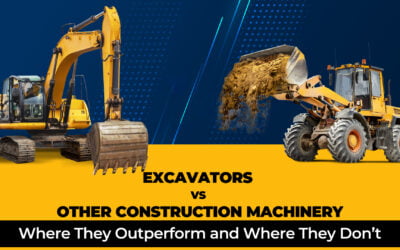
Construction Excavators vs. Other Machinery: Where They Outperform and Where They Don’t
Choosing the right equipment is critical to the success of any construction project. While construction excavators are widely used for their...

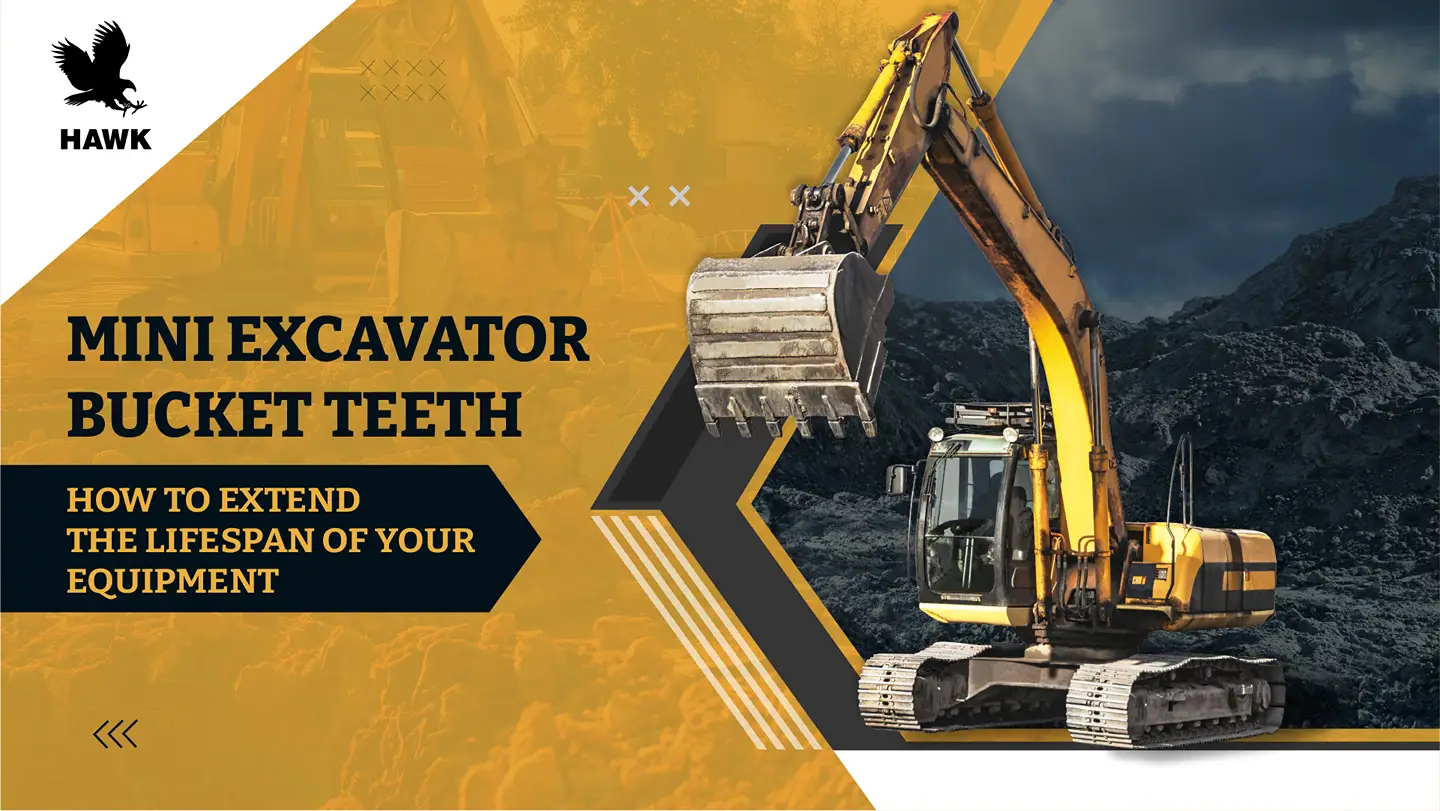
Mini excavators are essential tools in various construction and excavation projects, and the performance of these machines heavily relies on the quality and condition of their bucket teeth. The right mini excavator bucket teeth not only enhance the efficiency and precision of digging but also contribute significantly to the longevity and cost-effectiveness of the equipment. In this guide, we will explore the importance of bucket teeth for mini excavators, covering everything from choosing the right type to maintaining and replacing them. By understanding the factors that impact their lifespan and how to optimize their performance, you can ensure that your mini excavator consistently delivers top-notch results for every job.


Mini excavator bucket teeth are vital components attached to the edge of the bucket on a mini excavator. Their primary function is to assist in digging and scooping materials such as dirt, gravel, and rocks. They provide the necessary sharpness and durability to penetrate tough surfaces, allowing the mini excavator to perform various excavation tasks efficiently.
These teeth come in different shapes and sizes depending on the type of material they are designed to handle. Whether it’s for digging, grading, or trenching, the right bucket teeth for mini excavators are crucial for achieving optimal performance.
Each type of mini excavator bucket teeth plays a critical role in the performance and efficiency of the excavator, depending on the task at hand. For an extensive range of high-quality mini excavator attachments, check out our product lineup.
Bucket teeth are not just accessories—they are integral to the overall efficiency and success of any excavation operation. Their key roles include:
The quality of the bucket teeth directly affects excavation performance. Poor-quality teeth can wear out quickly, causing inefficiency, increased downtime, and more frequent maintenance. Investing in high-performance bucket teeth for mini excavators ensures that you achieve higher productivity while reducing operational costs. At Hawk Excavator, we offer a wide variety of bucket teeth designed to meet the needs of every type of excavation project.
The material selection for mini excavator bucket teeth plays a crucial role in determining their durability and performance. High-quality materials, such as hardened steel and carbide, are engineered to withstand the harsh conditions of excavation work. Steel bucket teeth strike a balance between strength and flexibility, making them suitable for a wide range of tasks. On the other hand, carbide-tipped bucket teeth are designed for heavy-duty work, offering enhanced wear resistance and durability in rocky or abrasive environments.
The choice between OEM (Original Equipment Manufacturer) and aftermarket bucket teeth can also affect lifespan. OEM bucket teeth are specifically designed and tested for the equipment they are intended for, ensuring optimal performance and longevity. Aftermarket bucket teeth may vary in quality, offering cost savings but potentially compromising durability and fit compared to OEM options. For extended lifespan and performance, investing in high-quality, OEM mini excavator bucket teeth is recommended.
Working in different soil types directly impacts the wear and tear on bucket teeth. Rocky conditions can cause significant damage to teeth, as the hard surfaces will wear down the material more quickly. Similarly, clay and gravel can put extra strain on bucket teeth due to their density and abrasiveness.
Selecting the appropriate bucket teeth for mini excavators, tailored to specific soil and ground conditions, is crucial. For rocky terrain, rock teeth designed with hardened materials and reinforced tips are ideal, while flat teeth or general-purpose teeth may be more suited for softer, looser soils. By selecting the right mini excavator bucket teeth for the specific soil type, you can reduce wear and ensure efficient performance over time.
The frequency of use and operating conditions can significantly affect the wear on mini-excavator bucket teeth. Continuous use and heavy workloads lead to accelerated degradation, particularly in demanding environments. Extreme conditions, such as working in wet or frozen ground, can cause accelerated wear due to the additional stress and resistance encountered during excavation.
Excessive use without proper rest periods or handling extreme workloads without adequate machine maintenance can shorten the lifespan of bucket teeth. Regularly replacing worn-out teeth and ensuring that the bucket mini excavator is properly maintained will help maintain peak performance.
Routine maintenance is key to extending the lifespan of mini excavator bucket teeth. Regular inspections help detect wear early, allowing for timely replacements of worn teeth. Additionally, cleaning the bucket and teeth after each use can prevent debris buildup, which can cause unnecessary strain on the teeth.
Proper lubrication of the bucket joints and ensuring that all moving parts are properly maintained helps prevent excessive wear on the teeth. Taking the time for routine maintenance not only extends the lifespan of mini excavator bucket teeth but also ensures the overall efficiency and safety of the equipment.

Regular inspections are crucial for identifying wear and tear on mini excavator bucket teeth before they cause significant issues. To properly inspect the teeth, check for visible signs of chipping, cracking, or excessive wear on the teeth’s edges. Also, look for uneven wear patterns, which can indicate misalignment or other operational issues.
Signs that it’s time to replace or repair the teeth include:
The way you operate your mini excavator can directly affect the lifespan of the bucket teeth. To minimize unnecessary stress, avoid sudden impacts or overloading the bucket. Using the excavator at optimal speeds and not exceeding its limits helps reduce strain on the teeth and surrounding components.
Additionally, always adjust the digging angle to avoid scraping the bucket teeth against hard surfaces unnecessarily. Maintaining smooth, controlled movements ensures that the mini excavator operates at peak efficiency, extending the life of your mini excavator buckets.
Keeping the bucket teeth clean is essential to maintaining their effectiveness. Dirt, debris, and build-up can cause teeth to wear down faster by introducing additional friction and stress. After each use, take the time to remove dirt and debris from the bucket and teeth to prevent unnecessary buildup.
Regular greasing of the bucket’s moving parts, including the teeth, ensures smooth operation and prevents rusting, which can cause early deterioration. Grease acts as a protective layer against friction, helping to maintain the integrity of the mini excavator bucket teeth.
Over time, the teeth on a mini excavator bucket will become dull and less effective. Sharpening the teeth can help restore their cutting edge, especially if you’re working with softer soils or materials. To sharpen teeth, follow the manufacturer’s guidelines to ensure the angle and edge are properly restored. However, be mindful not to over-sharpen, as it can lead to premature wear.
Replacing worn or damaged teeth in a timely manner is equally important. If the teeth are excessively worn, it can cause more damage to the bucket and decrease overall performance. Replacing them when necessary will help avoid more significant issues, ensuring that your mini excavator continues to work efficiently.


Choosing the right mini excavator bucket teeth depends on the nature of the work and the ground conditions. Different types of bucket teeth are designed to handle varying excavation tasks, each with its specific advantages.
Understanding the specific conditions and tasks your mini excavator buckets will handle allows you to select the appropriate teeth for the job, ensuring maximum efficiency and longevity.
When purchasing bucket teeth for mini excavators, quality should be a top priority. Several factors come into play to ensure that you are investing in durable and efficient teeth for your equipment:
Additionally, when deciding between OEM and aftermarket options, consider the trade-offs. OEM bucket teeth are designed specifically for your machine, ensuring a perfect fit and optimal performance, but they may come at a higher cost. Aftermarket teeth can offer cost savings, but their quality and longevity may vary. Always weigh cost versus performance to find the right balance.
Some projects demand more specialized teeth to ensure durability and efficiency, especially when operating in high-impact or abrasive conditions. In these scenarios, custom-designed teeth may be necessary for extended durability. For instance, when working in mining or quarrying, where rocks and dense material are the primary obstacles, customized teeth can improve performance by providing more robust materials and specialized shapes that maximize digging effectiveness.
When selecting mini excavator bucket teeth, consider the project’s specific demands. For high-impact environments, teeth with reinforced tips, extra-thick designs, or carbide-tipped points may be required. Similarly, for applications involving constant friction with hard, abrasive materials, such as gravel or rock, choosing teeth with enhanced wear resistance will prevent frequent replacements and reduce downtime.

Maintaining and extending the lifespan of your mini excavator bucket teeth directly impacts operational costs. Worn-out or damaged teeth can lead to unexpected downtime, halting work and causing delays. By regularly inspecting and replacing worn teeth, you can avoid costly repairs and ensure your mini excavator is always ready for the job. Fewer breakdowns and reduced repair needs translate to significant cost savings over time, ensuring your project stays on schedule.
Well-maintained bucket teeth for mini excavators ensure smooth and uninterrupted operation, enabling faster task completion. Sharp, durable teeth make digging more efficient, reducing the time needed to complete projects. This results in higher productivity and cost-effectiveness, as the machine works at peak performance without delays caused by inefficient or damaged teeth.
Investing in high-quality mini excavator bucket teeth and regular maintenance pays off in the long run. While initial costs might be higher, quality teeth last longer and perform better, reducing the frequency of replacements and repairs. This leads to a greater return on investment (ROI), as you spend less on maintenance and more on productive work.

It’s essential to replace mini excavator bucket teeth when they show signs of wear and damage. Excessive wear, cracks, or missing points are clear indicators that the teeth are no longer effective. While sharpening can restore some efficiency, severely worn or damaged teeth should be replaced to prevent further strain on the equipment.
By following these simple steps, you can ensure that your bucket mini excavator continues to operate smoothly and efficiently with newly replaced teeth.

Proper care, maintenance, and the right selection of mini excavator bucket teeth are crucial for extending their lifespan and maximizing the performance of your mini excavator. Regular inspections, timely replacements, and choosing the right teeth for the job can significantly reduce downtime, repair costs, and improve project efficiency. By investing in high-quality, durable bucket teeth, you ensure smoother operations and better productivity. For expert guidance on selecting the best bucket teeth for mini excavators and to browse our top-tier product selection, visit Hawk Excavator today and keep your equipment running at peak performance.
Get in touch with us now!
Choosing the right equipment is critical to the success of any construction project. While construction excavators are widely used for their...

Excavators have long been the backbone of earthmoving operations, valued for their digging precision, reach, and raw lifting power. But in today’s...

When it comes to keeping excavation projects on schedule, having the right parts for the right equipment is non-negotiable. For procurement teams...