Long Reach Excavator vs. Super Long Reach Excavators
This Article Includes
- Super Long Reach & Applications
- Standard Long Reach & Applications
- Getting Operational
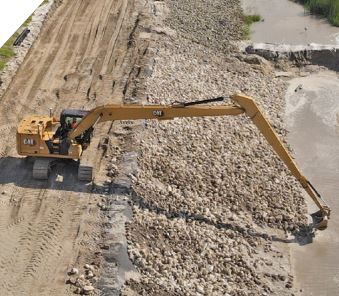
HAWK Long Reach Excavators
HAWK Long Reach Excavators are engineered to enhance the capabilities of standard excavators by extending their reach, making them ideal for challenging projects and deep excavation. They are compatible with various work tool attachments, enhancing their versatility for tasks such as hammering, scooping, crushing, and picking. These kits are handy for projects requiring precision and extended reach without compromising the stability and maximum efficiency of the machine. Whether reaching across rivers, digging out ponds, or working in environments where space is limited, HAWK Long Reach Excavators provide the necessary extension, either as rental equipment or for purchase. These feature a robust extended boom and arm (which features minimal attachment maintenance) to handle additional stress associated with extended-reach tasks and heavier duty material handling. This makes them perfect for various challenging projects, from dredging to construction sites, to complex excavation tasks in challenging environments such as cold temperatures.
(For optimal performance and safety, always refer to the operator’s manual)
Definition and Purpose of Long Reach Excavators
Long reach excavators are specialized heavy equipment machines designed to extend the reach of standard excavators, allowing operators to dig deeper, reach further, and work in areas that are otherwise inaccessible. These machines are ideal for large job sites, demolition, construction, and other heavy-duty tasks that require precision and control. Long reach excavators can achieve a maximum reach of up to 60 feet at ground level, making them highly effective for extensive excavation projects. By extending the boom and arm, long reach excavators can perform tasks that standard excavators cannot, making them indispensable for projects that involve deep excavation, dredging, or working in confined spaces. Their design balances engine power, performance, and efficiency, making them a cost-effective option for a wide range of heavy-duty tasks. Whether you need to reach across a river, dig out a pond, or work in a tight urban environment, long reach excavators provide the versatility and capability to get the job done.
Key Features of Long Reach Excavators
Long reach excavators are equipped with advanced features that enhance their performance, efficiency, and safety. Some of the key features include:
- Extended Boom and Arm Sections: These allow for deeper digging and greater reach, making it possible to work in areas that are otherwise inaccessible.
- Robust Hydraulic Systems: These provide more power and control, feature a stick lowering check valve and are essential for handling the increased weight and stress of the extended boom and arm.
- Advanced Engines: Designed to optimize fuel consumption with a specialized air intake system while delivering sufficient power for heavy-duty tasks, these engines ensure that the excavators can perform efficiently even under demanding conditions. Plus, when equipped with a maintenance electric refueling pump, priming the fuel system and fuel filters sampling ports is simple.
- Triple Grouser Shoes: These provide stability and traction on various terrains, ensuring that the excavator can operate effectively in different environments.
- Air Conditioning System and Air Suspension Heated Seat: These features enhance operator comfort, making it easier to work for extended periods without fatigue.
- One Key Security System and Cab Cat Stick: These provide added security and control (along with Security CAT Command), ensuring that the excavator can be operated safely and securely.
- Visionlink Productivity Cat Grade: This feature enables real-time monitoring and analysis of machine performance (with Connectivity CAT Grade), helping operators to optimize their work and improve productivity.
These features make long reach excavators a powerful and versatile tool for a wide range of applications, from construction and demolition to dredging and excavation.
Maximum Digging Depth
Long reach excavators are designed to work faster in common applications that require deep digging and heavy lifting. They can reach far deeper depths than standard excavation excavators but generally do not match the depth capabilities of super long reach models. The maximum digging depth of long reach excavators varies depending on the model and manufacturer, but they can typically reach depths of up to 40 feet or more. This capability makes them ideal for tasks such as ditch digging, demolition, and other heavy-duty work that requires significant depth. By providing the ability to dig deeper, long reach excavators enhance the efficiency and effectiveness of excavation projects, reducing the need for additional equipment and labor.
Hydraulic System
The hydraulic systems in long reach excavators are robust and capable of handling significant stress due to the extended reach and heavier loads. These systems are engineered to offer more power to manage the increased weight of the extended boom and arm, which is essential for tasks like dredging and heavy excavation. The hydraulic system is designed to maintain precision and control despite the longer boom and reach, ensuring consistent flow and pressure. This precision is crucial for tasks that require detailed and accurate work, such as slope grading or digging long trenches. By maintaining consistent hydraulic performance, long reach excavators can perform efficiently and effectively in a wide range of applications.
Boom and Stick Options
Long reach excavators come with various boom and stick options that cater to different project needs. The boom and arm length can be adjusted to suit specific tasks, such as dredging, demolition, or excavation. Some manufacturers offer different arm lengths for specific models, allowing operators to choose the best configuration for their project. The type of attachment used can also affect reach, with different attachments suited for different tasks. For example, a longer arm may be used for dredging, while a shorter, more robust arm may be better suited for demolition. By offering a range of boom and stick options, long reach excavators provide the flexibility to tackle a wide variety of projects, making them a versatile and valuable tool for any construction or excavation site.
Waterway Management
Long reach excavators are widely used in waterway management projects, such as dredging rivers, lakes, and canals. Their extended reach and digging capabilities make them ideal for removing sediment, debris, and aquatic vegetation from waterways. With the ability to operate from a safe distance, long reach excavators minimize the risk of accidents and environmental damage. Additionally, they can be equipped with specialized attachments, such as dredging buckets and hydraulic cutters, to enhance their performance in waterway management applications.
Demolition with Demolition Excavators
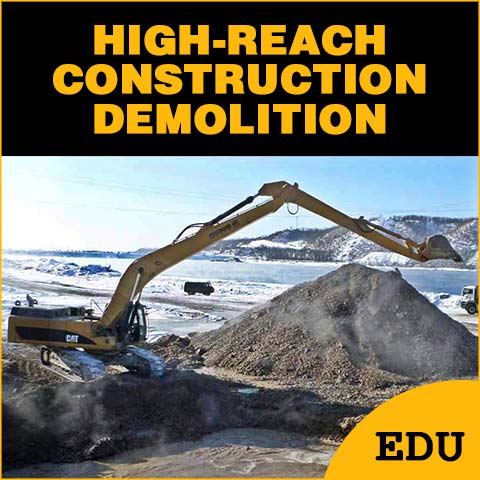
Long reach excavators are also used in demolition projects, particularly in urban areas where space is limited. Demolition excavators, a type of long reach excavator, are designed to safely demolish buildings and structures from a distance. Equipped with demolition attachments, such as hydraulic hammers and wrecking balls, long reach excavators can efficiently dismantle structures without causing damage to surrounding buildings or infrastructure. Their extended reach and precision control also enable them to target specific areas of a structure, reducing the risk of collateral damage.
Deep Excavation
Long reach excavators are essential for deep excavation projects, such as laying foundations, creating drainage systems, and excavating tunnels. Their ability to dig deep and reach far makes them ideal for these applications. With the capacity to operate in confined spaces, long reach excavators can excavate sites that are inaccessible to standard excavators. Additionally, they can be equipped with specialized attachments, such as long-reach booms and digging buckets, to enhance their performance in deep excavation applications.
Super Long-Reach Excavators with Maximum Digging Depth
Super Long-Reach Excavators take the capabilities of long-reach excavators even further on the job site. These machines are designed with exceptionally long booms and arms compared to equivalent standard reach excavators, allowing them to perform deep excavation tasks like ditch digging and slope finishing quickly and precisely, with substantial digging force. Super long-reach models are optimized for jobs requiring extended reach and high precision, such as creating gradients on slopes or excavating ditches along roadsides. While they might not handle the heavy-duty lifting and digging force as effectively as the standard long-reach models, their value lies in their ability to work over obstacles and perform delicate, detailed work at a distance, reducing the need for additional heavy machinery on the job site.
HAWK Long Reach Kits are a specialized excavator add-on designed to optimally perform against the unique challenges of excavating or dredging at a distance or where high reach is necessary.
Super long reach excavators excel in applications such as ditch digging and slope finishing, while standard long reach excavation excavators excel at heavier-duty work that requires more digging force and lift capacity.
Super Long Reach Excavators
Cat Super Long Reach Excavators are a great fit for lighter-duty, long-distance applications, including:
- Ditch cleaning
- Slope finishing
- Settling pond clean out
- Waterway and canal maintenance
- Vegetation control
These machines are equipped with a long arm that allows them to access higher locations, reach farther and operate with enhanced precision and often greater fuel efficiency.
Long Reach Excavators
When your job calls for heavier work at a distance, call on HAWK Long Reach Excavation Excavator advantage. These tools excel in long distance applications, including the ability to dig deeper in deep excavation, general excavation, and hydraulic dredging:
- General excavation
- Hydraulic dredging
- Ditch cleaning
- Settling ponds
- Canal maintenance
- Loose material transfer
These excavators are compatible with various other attachments (including bucket and grapple models), allowing you to work faster and with more precision on tasks such as demolition, digging, and material handling.
Comparison Between Long Reach and Super Long Reach Excavators for Construction Sites
With a super long reach arm, stick and boom package, your excavator reach is enhanced by up to 40% than that of a standard reach configuration with approximately 40% of the digging force. This means the operator can dig with a bucket from further out with essentially less maneuvering than ever before.
When selecting the right excavator for your next project, understanding the differences between long-reach and super-long-reach excavators can be crucial if you’re looking for more precision. Here’s a detailed comparison based on key parameters such as fuel efficiency, fuel usage, maximum digging depth, and hydraulic system capabilities:
Fuel Efficiency and Usage
Long Reach Excavator:
Fuel Efficiency: Long-reach excavators are generally designed to balance power, performance and efficiency. They typically feature advanced engines that optimize fuel consumption while delivering sufficient power for heavy-duty tasks. Engine oil and fuel filters are typically the main maintenance tasks. Consulting the operator’s manual is essential for detailed maintenance procedures and ensuring optimal performance. These excavation excavators typically boast a large fuel tank.
Fuel Usage: These excavators consume more fuel (but as above, have a larger fuel tank) than equivalent standard reach excavators due to the additional power required to operate a longer boom and arm. However, they are more cost effective than super long-reach models because they are often used for heavier duty work and excavation projects requiring more energy.
Super Long Reach Excavator:
Fuel Efficiency: Super long-reach excavators may be slightly less fuel-efficient than their long-reach counterparts. The extra length of the boom and arm increases the hydraulic workload, which can lead to higher fuel consumption and quicker replacement of engine oil and fuel filters.
Fuel Usage: Because of the potential for increased fuel consumption, manufacturers often equip these machines with features to help minimize fuel use, especially during extended periods of fine, detailed work.
Maximum Digging Depth
Long Reach Excavator:
Maximum Digging Depth: These excavators are designed to work faster in common applications that require deep digging and heavy lifting. They can essentially reach far deeper depths than standard excavation excavators but generally do not match the depth capabilities of super-long reach models. This kind of heavy equipment is perfect for construction sites that require ditch digging, demolition attachments and heavier duty work. They are cost effective and the long arm works well with other attachments, including a variety of bucket styles.
Super Long Reach Excavator:
Maximum Digging Depth: Super long-reach excavators excel at maximum reach and digging force and depth due to their extended booms. This makes them ideal for safe operation with jobs requiring work in deep or distant locations where the ability to reach farther is an absolute must.
Hydraulic System
Long Reach Excavator:
Hydraulic System: The hydraulic systems in long-reach excavators are robust and capable of handling significant stress due to the extended reach and heavier loads. This heavy equipment is engineered to offer more power to manage the increased weight of the extended boom and arm, which is essential for tasks like dredging and heavy excavation.
Super Long Reach Excavator:
Hydraulic System: In super-long-reach excavators, the hydraulic system is designed to maintain precision and control despite the longer boom and reach. These systems are fine-tuned to ensure consistent flow and pressure, which helps maintain accuracy and efficiency during operations like slope grading or digging long trenches.
Overall Considerations
Long Reach Excavators are best suited for projects that require deep digging and lifting heavy loads over extended distances. The typical long reach excavator is well-balanced in power, cost effective maintenance and fuel efficiency, and are popular as rental equipment.
Super Long Reach Excavators are perfect for project requirements that include reaching over obstacles and performing detailed, time consuming work, sometimes with other attachments, at significant distances, where depth and more precision are paramount.
Choosing between the two types of long reach excavator largely depends on the project’s specific needs, including the nature of the job site, the type of material to be handled, and the environmental considerations. The product specifications must be a match as well. They are not always used, making them popular rental equipment for excavation excavators.
Optimize Your Excavator.
Choosing the Right Long Reach Excavator
Assessing Project Requirements
When selecting a long reach excavator for a project, it is crucial to assess the project requirements carefully. Consider the type of attachment needed, machine stability, and compatibility with attachments. The operating weight, engine power, and maximum digging depth of the excavator should also be evaluated to ensure they meet the project’s demands. Additionally, consider the terrain and accessibility of the project site, as well as the need for specialized attachments, such as demolition excavators or dredging buckets. By carefully assessing project requirements, contractors and project managers can choose the right long reach excavator for the job, ensuring efficient and safe operation.
Super Long Reach Excavators
CAT Super Long Reach Excavator is an excellent fit for lighter-duty, long-distance applications, including:
- Ditch cleaning
- Slope finishing
- Settling pond clean out
- Waterway and canal maintenance
- Vegetation control
Long Reach Excavator
Call on the HAWK Long Reach Excavation Excavator when your job calls for ditch digging and other heavier work at a distance. We also offer them as cost effective rental equipment, no matter your machine size. These long reach excavators increase productivity, power and performance in long-distance applications, including:
- General excavation
- Hydraulic dredging
- Ditch cleaning
- Settling ponds
- Canal maintenance
- Loose material transfer
With a super-long reach arm and boom package, your excavator’s reach is enhanced by up to 40% compared to a standard reach configuration with approximately 40% of the digging force. This means you can dig deeper and further with less maneuvering.
The super long reach kit can fit on CAT 320, 323, 326, or 330 equivalents, with the best performance coming from the CAT 323 or CAT 330. All super long-reach excavators use a heavier counterweight than equivalent standard-reach excavators, which might reduce fuel efficiency.

How Long Does it Take to Get Operational?
Hawk long-reach excavation packages are ready to go. Equipment fleet managers and operators will not have to spend hours in the field running hydraulic lines and fighting to accommodate new equipment. Our equipment is ready for field installation and will take any demolition attachments you want.
We have designed our equipment with uptime and productivity in mind so you can get the work done. Long-reach excavator prices and availability vary by needs and lead times, so contact a Hawk Equipment professional today to schedule a consultation and needs analysis.
Frequently Asked Questions
1. What is the primary difference between a Long Reach and a Super Long Reach Excavator?
The main difference lies in the length of the boom and arm. A Long Reach Excavator typically has an extended boom and arm designed for deep excavation and wide reach, making it ideal for tasks like dredging, slope cutting, and large-scale trenching. In contrast, a Super Long Reach Excavator features an even longer boom and arm, providing an extended range that’s perfect for more extensive and challenging projects, such as deep ditch digging and working in hard-to-reach areas. The increase of maximum digging depth, and the ability to reach farther when compared to equivalent standard reach excavators is particularly noticeable, and it also creates maximum efficiency when using attachment units.
2. Which type of excavator is better suited for dredging operations?
Both Long Reach and Super Long Reach Excavators are excellent for dredging, but the choice depends on the specific requirements of the project. If you need to reach greater depths or farther distances from the machine’s position, a Super Long Reach Excavator would be the better choice. To assist with standard dredging tasks, a Long Reach Excavator may suffice for the challenge.
3. Can I convert a standard excavator into a Long Reach or Super Long Reach Excavator?
Yes, it’s possible to convert a standard excavator into a Long Reach or Super Long Reach Excavator by replacing the existing boom and arm with longer versions. However, this conversion should be done by a professional to ensure the machine maintains its balance, safety, and performance.
4. What are the main applications for Super Long Reach Excavators?
Super Long Reach Excavators are mainly used for projects requiring extensive reach, such as deep excavation, pond and canal cleaning, river and sea dredging, and working on tall structures or slopes. They are also ideal for demolition tasks that require reaching high or distant structures safely.
5. How does the stability of a Super Long Reach Excavator compare to a standard Long Reach Excavator?
Due to the extended boom and arm, Super Long Reach Excavators have a higher center of gravity, which can affect stability, especially when the arm is fully extended. To mitigate this, these machines often come with counterweights and enhanced undercarriage designs to improve stability. It’s essential to operate them within the recommended guidelines to maintain safety and performance.
6. Are there any special maintenance requirements for Long Reach and Super Long Reach Excavators?
Yes, the extended components of these excavators require regular inspection and maintenance to ensure they remain in optimal condition. This includes checking the integrity of the boom and arm, lubricating moving parts, and inspecting hydraulic systems more frequently due to the increased stress on these components.
7. What factors should I consider when choosing between a Long Reach and a Super Long Reach Excavator?
When choosing between the two, consider the project’s specific requirements, including the depth and reach needed, the terrain, and the material you’ll be handling. Super Long Reach Excavators offer more reach, but they may require additional transport considerations and site preparation due to their size.
8. How does the cost of a Super Long Reach Excavator compare to a Long Reach Excavator?
Generally, Super Long Reach Excavators are more expensive due to their enhanced capabilities and the additional material required for their longer components. However, the investment can be justified by the increased efficiency and ability to tackle more complex projects.
9. Can Super Long Reach Excavators be used for standard excavation tasks?
While they can be used for standard tasks, Super Long Reach Excavators are specifically designed for projects requiring extended reach. For typical excavation work, a standard or Long Reach Excavator might be more practical and easier to maneuver.
10. Where can I get expert advice on choosing the right excavator for my project?
At Hawk Excavator, our team of experts is always available to help you choose the right equipment for your specific needs. Contact us to discuss your project, and we’ll guide you in selecting the best excavator configuration for optimal performance and efficiency.
How HAWK Excavator Can Help
Considering all of the challenges a construction company faces daily, from project to project, it is critical that your operation be outfitted with the best excavation equipment available.
HAWK Excavator is a Manufacturer of Long Reach Excavator Kits, RTK GPS Position Systems, Amphibious Undercarriages, and Modular Barges. We have decades of experience with heavy-duty excavator equipment to enhance and optimize excavation projects worldwide.
Top Product Upgrades for Excavators
- Long Reach Excavator Kits (Stick & Boom)
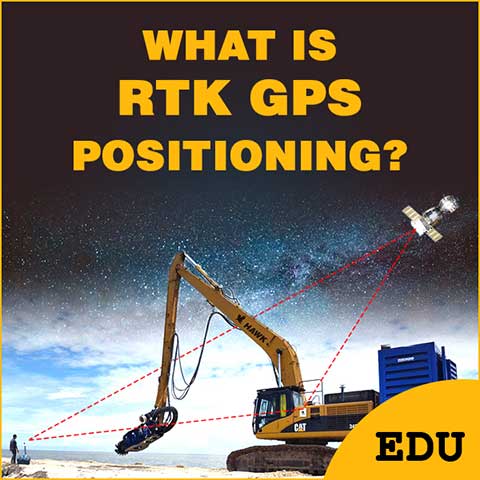
- HAWK Vision RTK GPS Positioning Systems
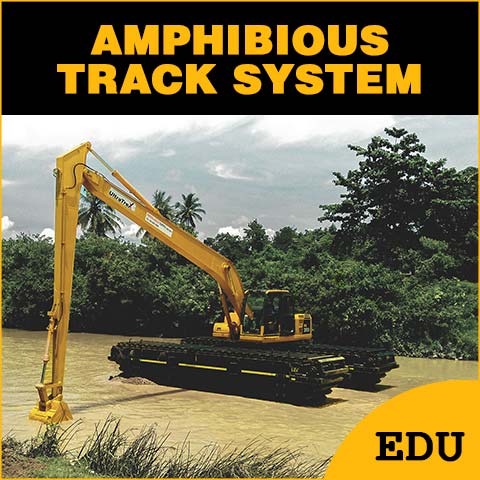
- Amphibious Undercarriages
- Sectional Barges
All HAWK products are simple to install to your excavator to assist with a wide range of excavation, construction, and dredging projects.
The top requested product is a conversion from standard to long reach.
For more on the value that HAWK Excavator can provide, Go To: https://hawkexcavator.com/
Articles and Education
Read through our resource library for informational articles that may help you in selecting the right HAWK equipment for the job.